
Creating a Mental Health Crisis Plan: A Comprehensive Guide
In today’s fast-paced world, mental health has become a significant aspect of our overall well-being. Life’s challenges can sometimes become overwhelming, leading to a mental health crisis. Having a mental health crisis plan in place can be a lifesaver, providing guidance and support when you or someone you care about needs it most. In this post, we will explore what a mental health crisis plan is, why it’s essential, and how to create one effectively.
Table of Contents
1. Introduction
2. Understanding a Mental Health Crisis
3. Why You Need a Mental Health Crisis Plan
4. Steps to Create a Mental Health Crisis Plan
a. Identify Triggers and Warning Signs
b. Compile a List of Contacts
c. Develop Coping Strategies
d. Outline Professional Resources
e. Create a Safe Environment
5. Maintaining and Updating Your Plan
6. Conclusion
7. FAQs
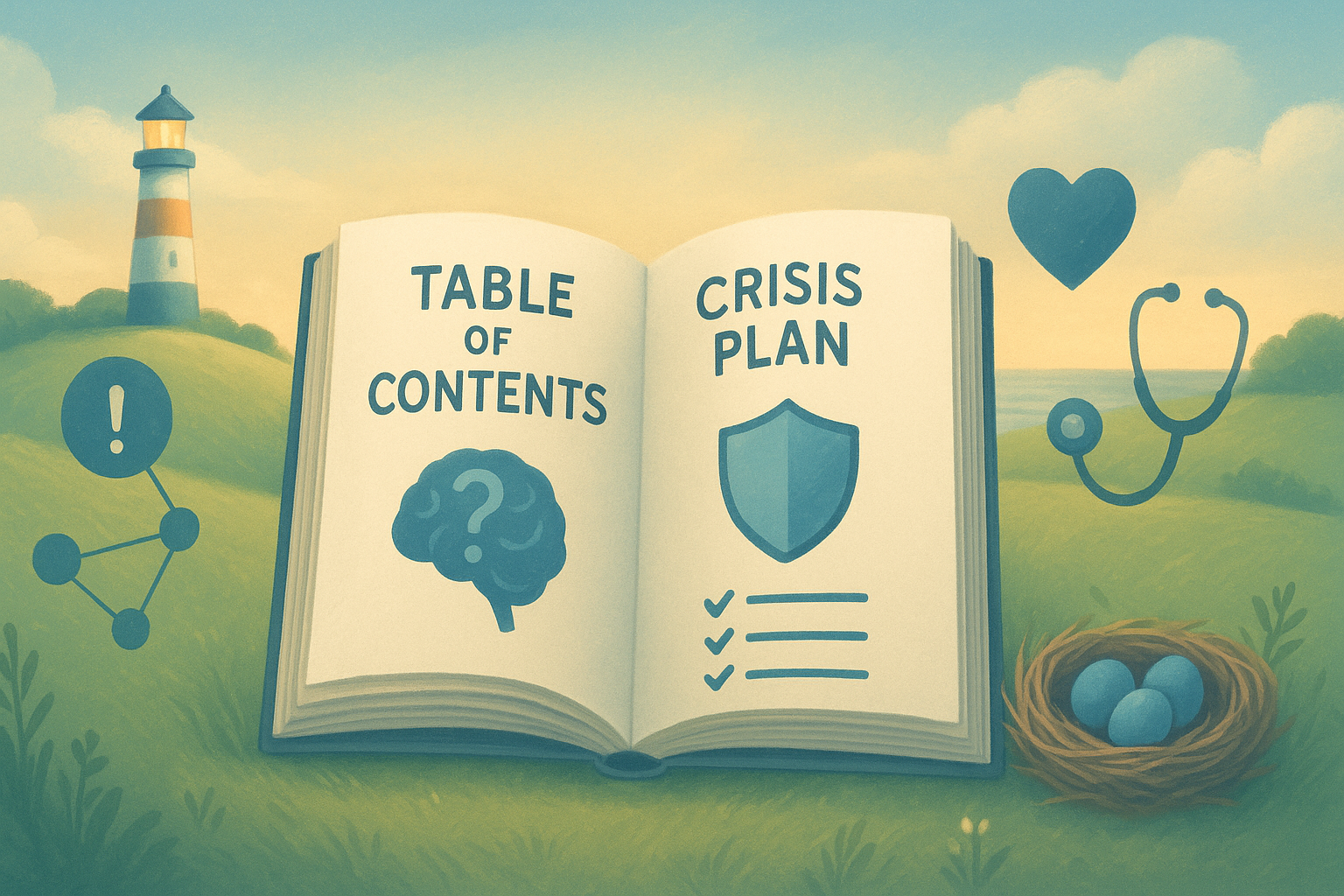
Understanding a Mental Health Crisis
A mental health crisis can manifest in various forms, ranging from severe anxiety attacks to suicidal thoughts. It’s a situation where a person feels overwhelmed by their emotional state, making it difficult to function in daily life. Recognizing the signs of an impending crisis is crucial for preventing it from escalating.
Why You Need a Mental Health Crisis Plan
Having a mental health crisis plan is like having a first aid kit for emotional emergencies. It provides a structured approach to managing and mitigating the effects of a crisis. Here’s why it’s essential:
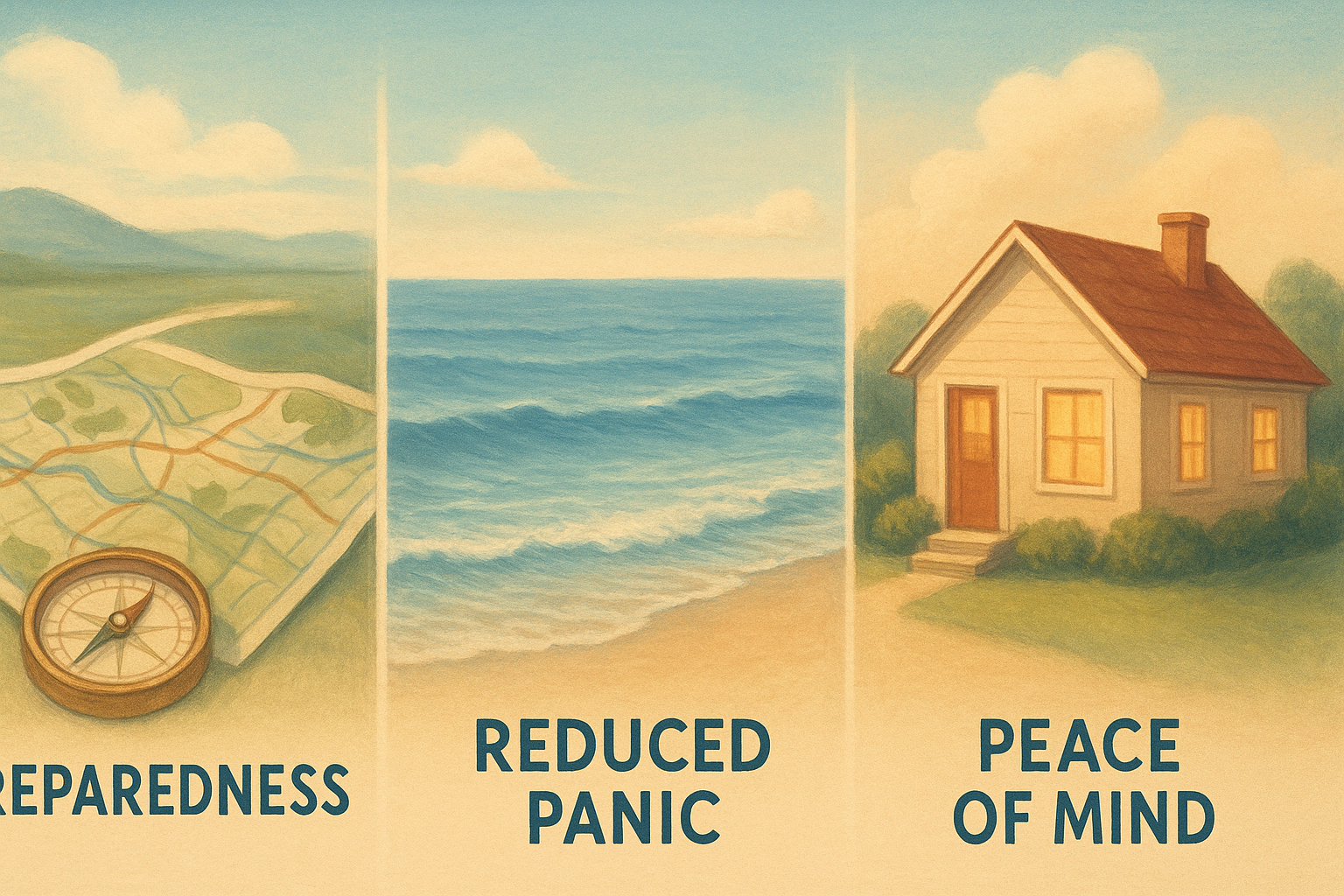
First, it ensures preparedness. A plan helps you and your support network know what steps to take when a crisis occurs. Second, it reduces panic. During a crisis, it can be hard to think clearly. Having a plan in place takes the guesswork out of what to do next. Finally, it offers peace of mind. Knowing that you have a plan can be comforting and empowering, both for you and your loved ones.
Steps to Create a Mental Health Crisis Plan
Identify Triggers and Warning Signs
The first step in creating a mental health crisis plan is to identify what triggers a crisis for you or your loved one. Triggers can be external, like stressful events, or internal, such as certain thoughts or feelings. Observing the warning signs that precede a crisis can help in addressing the issue before it escalates.
Compile a List of Contacts
In a crisis, reaching out for help is crucial. Compile a list of emergency contacts, including family members, friends, and mental health professionals. Make sure these individuals are aware that they are part of your crisis plan and understand their role in it.
Develop Coping Strategies
Coping strategies are actions or activities that help calm you down during a crisis. These can include deep breathing exercises, listening to music, or engaging in a hobby. Tailor these strategies to what works best for you and practice them regularly to ensure they are effective when needed.
Outline Professional Resources
Include a list of professional resources such as hotlines, therapists, and local support groups. Knowing where to turn for professional help can make a significant difference in navigating a crisis. Ensure that this information is easily accessible and up-to-date.
Create a Safe Environment
Your environment can greatly affect your mental state. Identify how to make your surroundings safe during a crisis. This could mean removing items that might be harmful or creating a designated safe space for relaxation and reflection.
Maintaining and Updating Your Plan
Once your mental health crisis plan is in place, it’s important to review and update it regularly. As life circumstances change, so might your triggers and support network. Keeping your plan current ensures it remains effective and relevant.
Conclusion
Creating a mental health crisis plan is a proactive step towards managing mental health challenges. It provides structure in times of chaos and ensures that you or your loved ones have the support needed to navigate difficult situations. Remember, it’s okay to ask for help and lean on your support system. With a well-thought-out plan, you can face crises with confidence and resilience.
FAQs
Q: What should be included in a mental health crisis plan?
A: A mental health crisis plan should include a list of triggers and warning signs, emergency contacts, coping strategies, professional resources, and steps to create a safe environment.
Q: How often should I update my mental health crisis plan?
A: It’s advisable to review and update your plan every six months or whenever there are significant changes in your life, like a new therapist or a change in your support network.
Q: Can I create a crisis plan for someone else?
A: Yes, you can help create a crisis plan for someone else, especially if they are unable to do so themselves. It’s important to involve them in the process to ensure the plan reflects their needs and preferences.
Q: Where can I find professional resources for mental health crises?
A: You can find professional resources through local mental health organizations, hotlines, and online directories. Your healthcare provider can also offer recommendations.