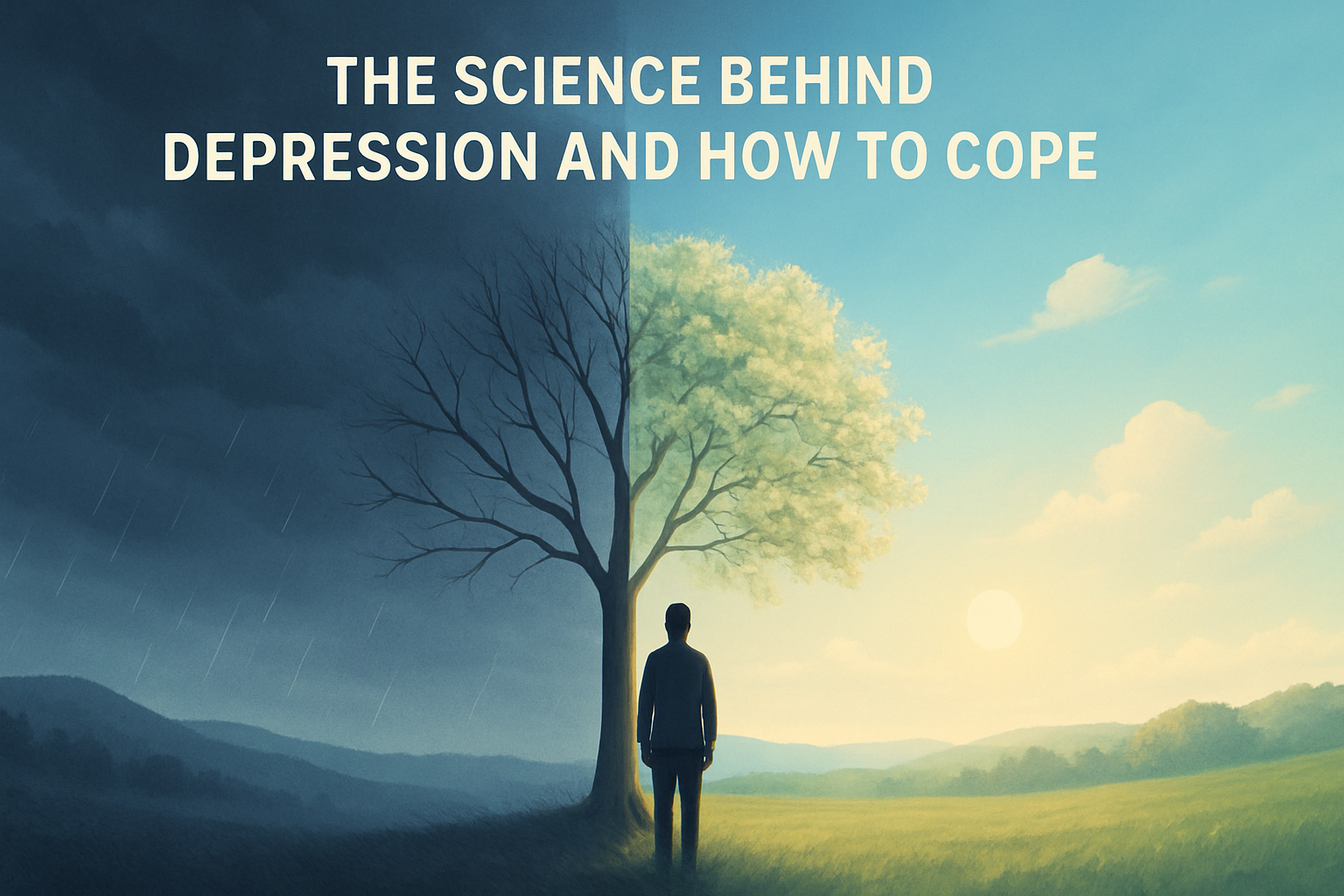
The Science Behind Depression and How to Cope
Depression is a complex and often misunderstood mental health condition that affects millions of people worldwide. While many of us may experience feelings of sadness or despair from time to time, depression is a persistent state that can significantly impact one’s quality of life. Understanding the science behind depression can help demystify it and provide insights into effective coping strategies. This blog post delves into the biological, psychological, and environmental aspects of depression and offers practical tips for managing its symptoms.
Table of Contents
1. Introduction
2. Understanding Depression
3. The Biology of Depression
4. Psychological Factors
5. Environmental Triggers
6. Coping Strategies
7. Conclusion
8. FAQs
Understanding Depression
Depression is more than just feeling blue or having a bad day. It’s a serious mental health condition that can affect how you feel, think, and handle daily activities. According to the World Health Organization, more than 264 million people suffer from depression globally. While it can strike at any age, it’s most common in adults. Symptoms can vary from mild to severe and include persistent sadness, loss of interest or pleasure in activities, changes in appetite or weight, trouble sleeping, loss of energy, and difficulty concentrating.
The Biology of Depression
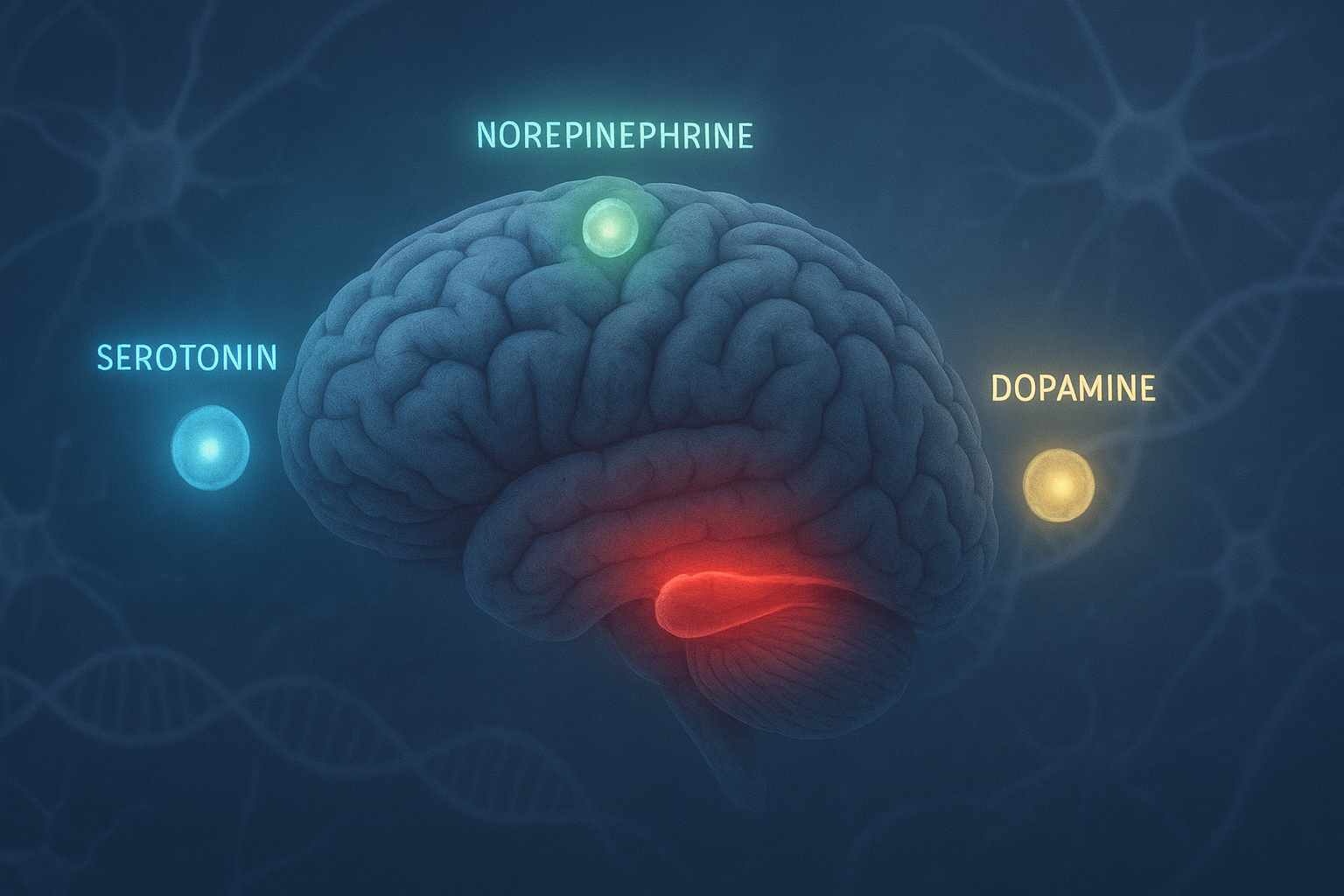
The biological underpinnings of depression are complex and involve various neurotransmitters and brain structures. Neurotransmitters like serotonin, norepinephrine, and dopamine play crucial roles in mood regulation. An imbalance in these chemicals can lead to depressive symptoms. Additionally, brain imaging studies have shown that the hippocampus, which is responsible for memory and emotion regulation, tends to be smaller in individuals with chronic depression. Genetics also play a role, with studies suggesting that people with a family history of depression are more likely to experience it themselves.
Psychological Factors
Psychological factors are significant contributors to the development and progression of depression. Cognitive theories suggest that depression is linked to negative thought patterns and perceptions. People with depression often have a distorted view of themselves, their environment, and their future, which can perpetuate a cycle of negativity. Low self-esteem, perfectionism, and feelings of helplessness are common psychological traits associated with depression. Understanding these cognitive patterns can be essential in breaking the cycle and initiating recovery.
Environmental Triggers
The environment in which one lives can considerably influence their mental health. Stressful life events such as the loss of a loved one, divorce, job loss, or financial difficulties can trigger depression. Chronic stress, particularly when related to work or personal relationships, is a known risk factor. Furthermore, a lack of social support and isolation can exacerbate symptoms. Recognizing environmental triggers is crucial for developing effective coping mechanisms and seeking timely support.
Coping Strategies
While depression can be debilitating, various coping strategies can help manage symptoms and improve quality of life. Here are some effective approaches:
Seek Professional Help
Consulting with a mental health professional is vital. Therapy, such as cognitive-behavioral therapy (CBT), can help change negative thought patterns and behaviors. In some cases, medication may be prescribed to balance neurotransmitters. Always consult a healthcare provider for personalized advice.
Maintain a Routine
Establishing a daily routine can provide structure and a sense of normalcy. This includes setting regular times for waking up, eating, and sleeping. Having a routine can reduce feelings of chaos and improve mood stability.
Exercise Regularly
Physical activity releases endorphins, which are natural mood lifters. Even moderate exercise like walking or yoga can significantly reduce symptoms of depression. Aim for at least 30 minutes of activity most days of the week.
Practice Mindfulness and Meditation
Mindfulness and meditation can help focus the mind and reduce stress. Techniques such as deep breathing, progressive muscle relaxation, and guided visualization can promote relaxation and improve mood.
Build a Support Network
Connecting with friends, family, or support groups can provide emotional support and reduce feelings of isolation. Sharing experiences with others who understand can be both comforting and empowering.
Conclusion
Depression is a multifaceted condition influenced by biological, psychological, and environmental factors. Understanding the science behind it can help demystify its complexities and pave the way for effective coping strategies. While coping with depression can be challenging, a combination of professional help, lifestyle adjustments, and support from loved ones can lead to improvement. Remember, seeking help is a sign of strength, and recovery is possible.
FAQs
What are the key symptoms of depression?
Key symptoms include persistent sadness, loss of interest in activities, changes in appetite or sleep, lack of energy, and difficulty concentrating. If these symptoms persist, it’s important to seek professional advice.
Can depression be treated without medication?
Yes, many people find relief through therapy, lifestyle changes, and support groups. However, medication can be beneficial for some, particularly in severe cases. It’s essential to consult a healthcare professional for tailored guidance.
How can I support a loved one who has depression?
Offer a listening ear, encourage them to seek professional help, and be patient. Educate yourself about depression to understand their experience better and avoid judgment or pressure.