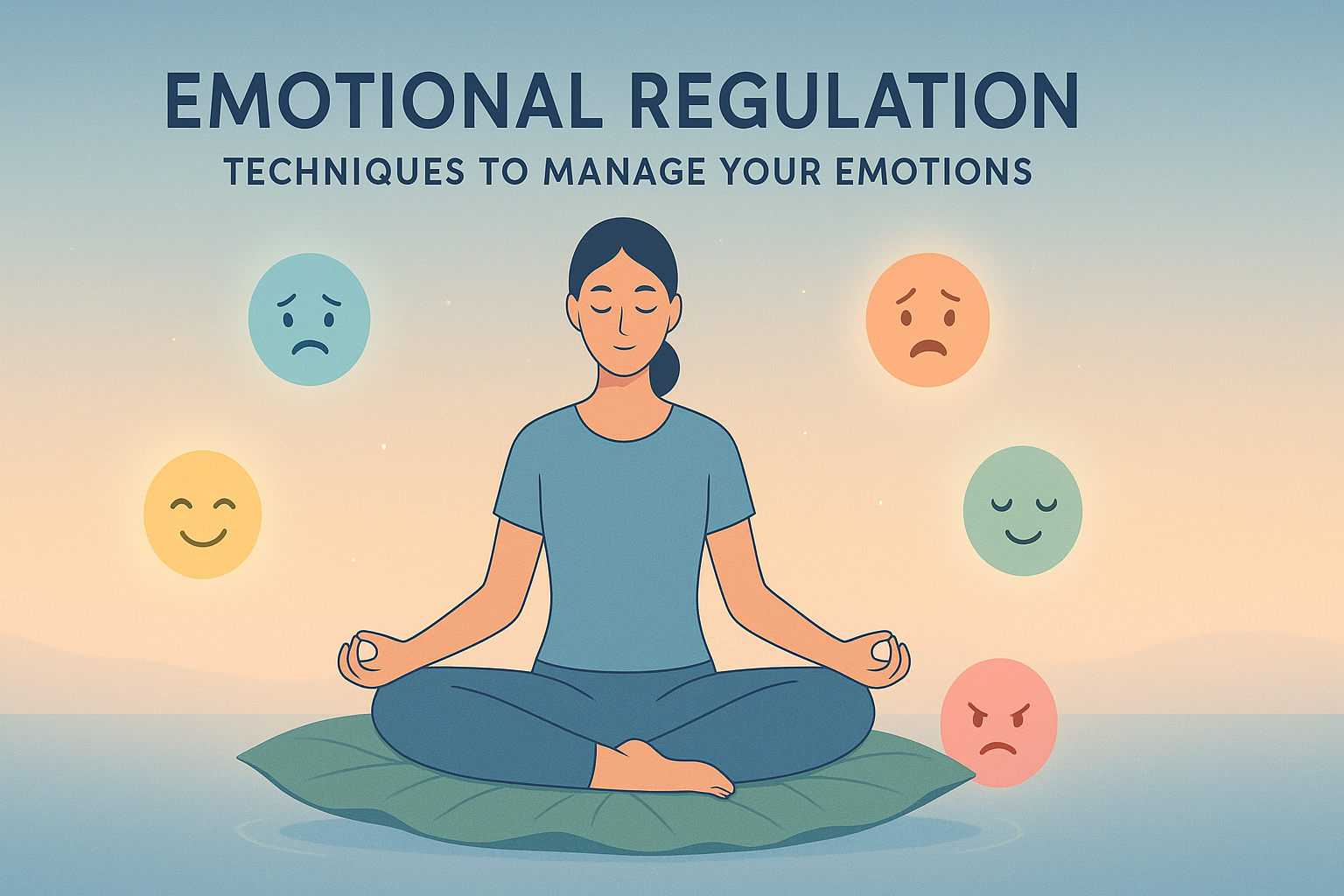
Emotional Regulation: Techniques to Manage Your Emotions
Emotions are an integral part of the human experience. They shape our decisions, influence our relationships, and color our perceptions of the world. However, when emotions become overwhelming or difficult to manage, they can lead to stress, anxiety, and other mental health challenges. In this blog post, we will explore effective techniques for emotional regulation, helping you lead a more balanced and fulfilling life.
Table of Contents
1. Introduction
2. Understanding Emotional Regulation
3. Techniques to Manage Your Emotions
3.1. Mindfulness and Meditation
3.2. Cognitive Reappraisal
3.3. Deep Breathing Exercises
3.4. Journaling
3.5. Physical Activity
4. Conclusion
5. FAQs
Understanding Emotional Regulation
Emotional regulation refers to the ability to manage and respond to an emotional experience in a healthy way. It involves being aware of your emotions, understanding them, and being able to adjust your responses. Whether it’s anger, sadness, or joy, regulating emotions helps maintain mental well-being and improves interpersonal relationships. But how do you start mastering this skill?
Techniques to Manage Your Emotions
Mindfulness and Meditation
Mindfulness is the practice of being present in the moment, without judgment. By focusing on the here and now, mindfulness helps you become more aware of your emotions and how they affect your body and mind. Meditation, a tool often used to cultivate mindfulness, can significantly reduce stress and enhance emotional clarity. Try dedicating just ten minutes a day to mindfulness meditation, focusing on your breath or a specific sensation, allowing thoughts and feelings to come and go without judgment.

Cognitive Reappraisal
Cognitive reappraisal involves changing your perspective on a situation to alter its emotional impact. Essentially, it’s about reframing negative thoughts. For example, instead of viewing a challenging task as a threat, view it as an opportunity to grow and learn. This shift in perception can reduce the intensity of negative emotions, promoting a more positive outlook.
Deep Breathing Exercises
Deep breathing is a simple yet effective way to calm your nervous system and reduce stress. When you take deep breaths, you signal your body to relax, which can help control the physiological response to stress. Practice the 4-7-8 technique: inhale for four seconds, hold your breath for seven seconds, and exhale slowly for eight seconds. Repeat this cycle a few times to experience a quick emotional reset.
Journaling
Writing down your thoughts and feelings can be a powerful way to process emotions. Journaling allows you to reflect on your experiences, identify triggers, and explore solutions. It creates a safe space to express emotions freely, leading to increased self-awareness and emotional understanding. Set aside time each day, even if it’s just a few minutes, to jot down your thoughts and feelings.
Physical Activity
Physical exercise is not only beneficial for your body but also for your mind. Activities like running, yoga, or even a brisk walk can help release endorphins, the body’s natural mood elevators. Regular physical activity can decrease symptoms of anxiety and depression, making it an excellent tool for emotional regulation. Find an activity you enjoy and incorporate it into your routine to help manage your emotions effectively.
Conclusion
Emotional regulation is a crucial skill that can dramatically improve your quality of life. By employing techniques like mindfulness, cognitive reappraisal, deep breathing, journaling, and physical activity, you can gain better control over your emotions and handle life’s ups and downs with greater ease. Remember, it’s a journey that requires patience and practice, but the rewards are well worth the effort.
FAQs
Q: How long does it take to see improvements in emotional regulation?
A: The time it takes to see improvements varies from person to person. Consistent practice of the techniques mentioned can lead to noticeable changes in a few weeks, but it’s important to be patient and persistent.
Q: Can emotional regulation techniques replace therapy?
A: While these techniques can be highly beneficial, they are not a substitute for professional therapy, especially for severe emotional or mental health issues. They can, however, complement traditional therapy.
Q: Are there any apps that can help with emotional regulation?
A: Yes, there are several apps designed to assist with mindfulness, meditation, and emotional tracking, such as Headspace, Calm, and Moodnotes, which can be great tools for practicing emotional regulation.