How Resilience Shapes Our Lives: Real-Life Examples
Resilience is more than just a buzzword; it’s a powerful concept that affects our lives in profound ways. From personal setbacks to professional challenges, resilience helps us bounce back and grow stronger. In this article, we’ll explore how resilience shapes our lives through inspiring real-life examples. Whether you’re looking to develop resilience yourself or simply understand its impact, this post offers valuable insights.
Table of Contents
1. Introduction to Resilience
2. The Science Behind Resilience
3. Real-Life Example 1: Overcoming Personal Health Challenges
4. Real-Life Example 2: Professional Comebacks
5. Real-Life Example 3: Resilience in Education
6. Building Your Own Resilience
7. Conclusion
8. FAQs
Introduction to Resilience
Resilience is the ability to withstand adversity and recover from difficult situations. It’s what allows people to emerge stronger from life’s challenges. While some individuals seem naturally resilient, research suggests that resilience is a skill that can be developed over time. Understanding resilience and its impact can guide us in building a more robust personal and professional life.
The Science Behind Resilience
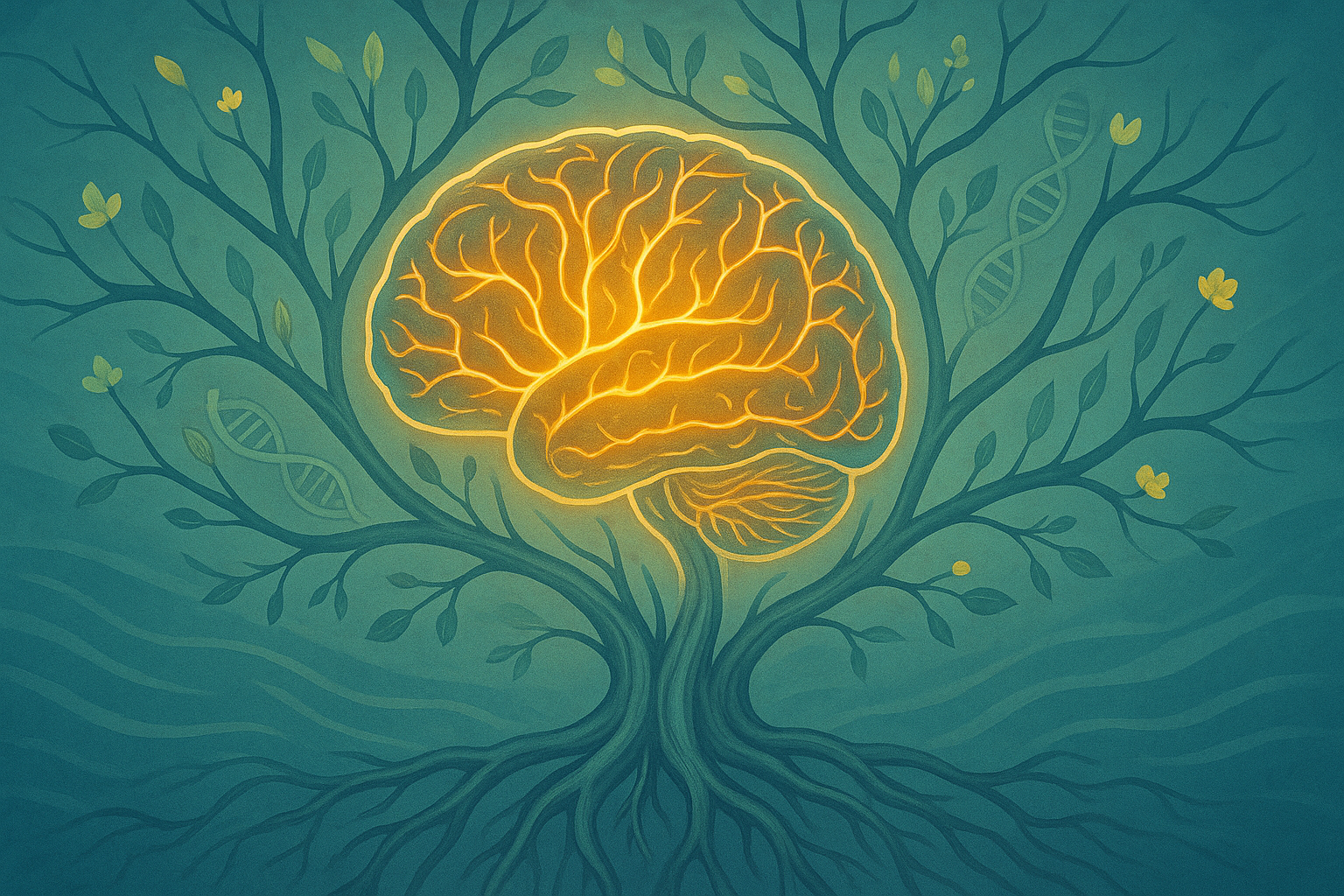
The science of resilience involves psychological research that focuses on how individuals cope with stress and adversity. Studies have shown that resilience is linked to various factors, including genetic predisposition, environmental influences, and learned behaviors. Neuroplasticity, or the brain’s ability to adapt and change, plays a significant role in resilience. By fostering positive thinking and stress management, individuals can enhance their resilience over time.
Real-Life Example 1: Overcoming Personal Health Challenges
Meet Jane, a young woman diagnosed with a chronic illness. Initially devastated by her diagnosis, Jane refused to let her condition define her. She educated herself about her illness, sought support from others in similar situations, and developed coping strategies. By focusing on what she could control and maintaining a positive outlook, Jane not only managed her condition but also inspired others with her resilience. Her journey highlights the power of resilience in overcoming personal health challenges.
Real-Life Example 2: Professional Comebacks
John, a seasoned professional, faced an unexpected layoff. Instead of succumbing to despair, he saw it as an opportunity to reassess his career goals. John took courses to update his skills, networked extensively, and eventually found a new job that aligned better with his passions. His story exemplifies resilience in the professional realm, demonstrating how setbacks can become stepping stones to greater achievements.
Real-Life Example 3: Resilience in Education
Consider Sarah, a student who struggled academically due to learning difficulties. With the support of dedicated teachers and a personalized learning plan, Sarah learned to thrive in her unique way. She developed strong study habits and sought help when needed, eventually achieving academic success. Sarah’s experience underscores the importance of resilience in education and how perseverance can lead to personal and academic growth.
Building Your Own Resilience
Developing resilience is a journey that involves nurturing specific habits and mindsets. Here are some strategies to help build resilience:
1. Cultivate a Positive Mindset: Focus on what you can control and maintain a hopeful outlook.
2. Build Strong Relationships: Surround yourself with supportive friends and family who can provide encouragement and guidance.
3. Embrace Challenges: View setbacks as opportunities for growth and learning.
4. Practice Self-Care: Prioritize physical and mental well-being through regular exercise, healthy eating, and mindfulness practices.
5. Develop Problem-Solving Skills: Break down challenges into manageable steps and seek solutions actively.
Conclusion
Resilience is a transformative force that shapes our lives in profound ways. Whether dealing with personal health issues, career setbacks, or educational challenges, resilience empowers us to overcome adversity and strive for success. By understanding resilience and applying it to our lives, we can build stronger, more fulfilling futures.
FAQs
Q: Can resilience be learned, or is it innate?
A: While some people may naturally exhibit resilience, it is a skill that can be developed through practice and supportive environments.
Q: How can I teach resilience to my children?
A: Encourage problem-solving, provide emotional support, and model resilient behavior in your own life.
Q: Does resilience guarantee success?
A: Resilience does not guarantee success, but it significantly increases the likelihood of overcoming obstacles and achieving goals.