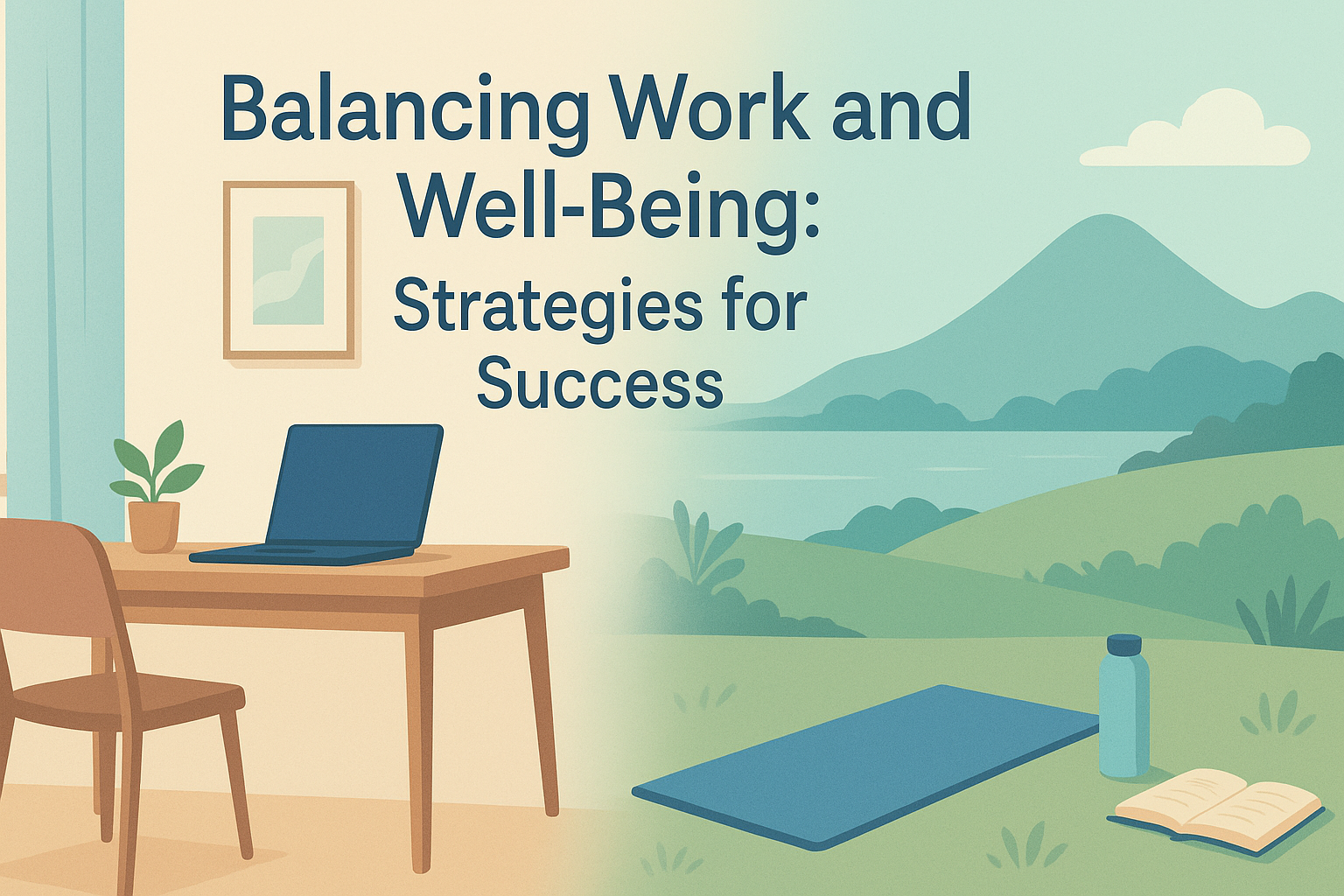
Balancing Work and Well-Being: Strategies for Success
In today’s fast-paced world, finding the right balance between work and personal well-being can be a challenging task. With constant demands from our jobs and personal lives, it’s easy to feel overwhelmed and overstressed. However, achieving a harmonious balance is crucial for long-term success and happiness. In this blog post, we’ll explore effective strategies to help you balance work and well-being, ensuring you thrive in both areas.
Table of Contents
1. Understanding the Importance of Work-Life Balance
2. Setting Boundaries and Prioritizing Tasks
3. Practicing Mindfulness and Stress Management
4. Embracing Flexibility and Remote Work Opportunities
5. Cultivating Healthy Habits and Self-Care
6. Conclusion
7. FAQs
Understanding the Importance of Work-Life Balance
Work-life balance is more than just a buzzword; it’s a vital component of a healthy life. When work and personal life are out of balance, stress levels rise, job satisfaction decreases, and personal relationships can suffer. By acknowledging the importance of balance, you can start making conscious decisions to improve your overall well-being.
Setting Boundaries and Prioritizing Tasks
One of the most effective ways to achieve balance is by setting clear boundaries between work and personal time. This can be as simple as turning off work emails after a certain hour or dedicating specific days to family and friends. Additionally, prioritizing tasks can help you focus on what’s truly important, allowing you to allocate time and energy more effectively.
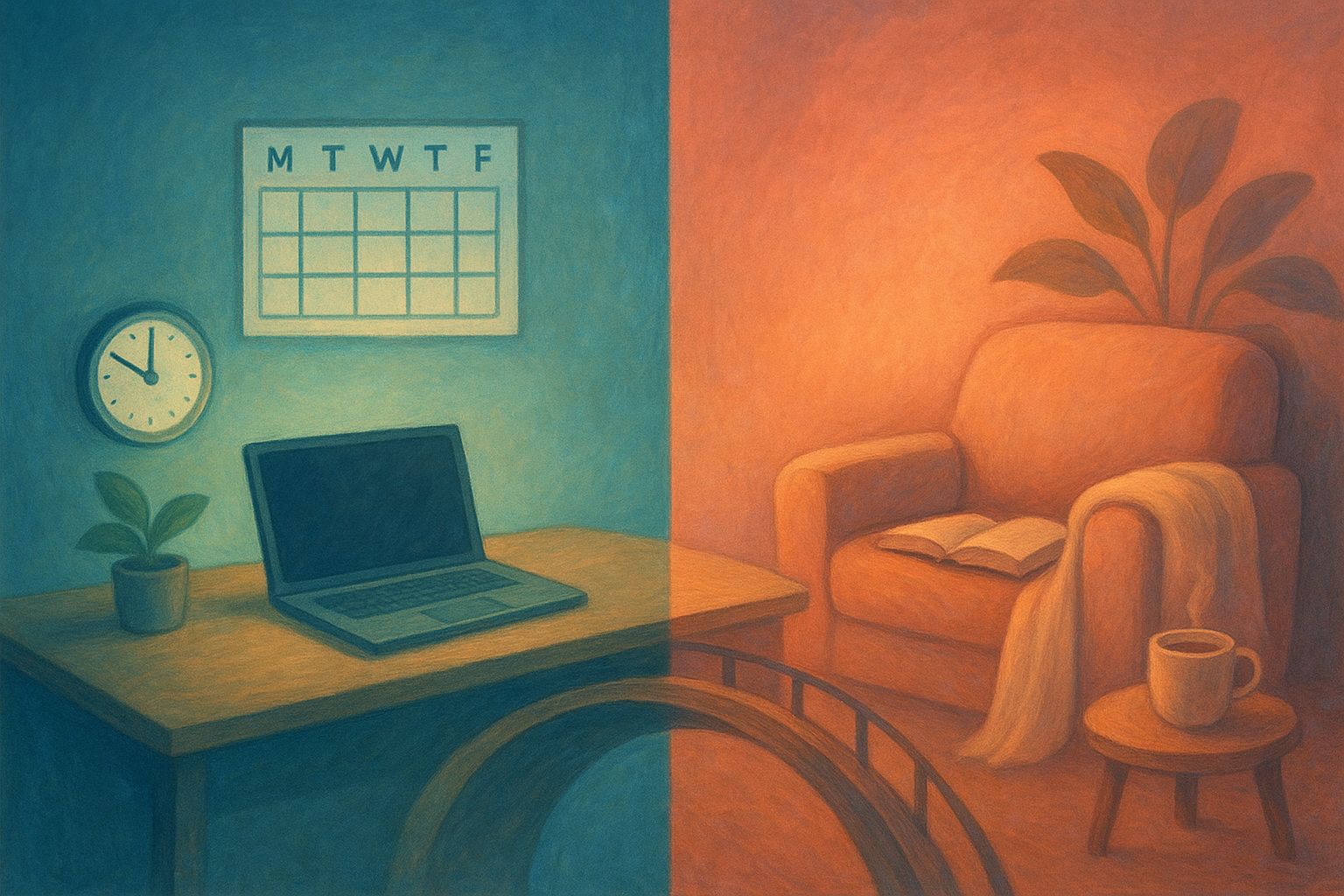
Consider creating a daily schedule that includes time for both work-related tasks and personal activities. This schedule will not only help you manage your time better but also ensure that you’re dedicating attention to all areas of your life.
Practicing Mindfulness and Stress Management
Mindfulness is a powerful tool for managing stress and maintaining balance. By practicing mindfulness techniques, such as meditation or deep breathing exercises, you can cultivate a sense of calm and clarity, even in the midst of chaos. These practices allow you to be present in the moment and reduce anxiety, making it easier to handle work-related pressures.
Incorporating short mindfulness breaks into your daily routine can make a significant difference. Consider starting your day with a brief meditation session or taking a walk during your lunch break to clear your mind.
Embracing Flexibility and Remote Work Opportunities
The modern workplace is evolving, with more companies offering flexible work arrangements and remote work opportunities. Embracing this flexibility can be a game-changer for achieving work-life balance. Working remotely allows you to design a schedule that suits your personal needs, reducing commuting time and providing more opportunities for self-care.
However, it’s important to establish a dedicated workspace and set clear boundaries when working from home. This ensures that work time remains productive, while personal time is protected from work-related distractions.
Cultivating Healthy Habits and Self-Care
Your physical and mental health are foundational to achieving balance. Cultivating healthy habits, such as regular exercise, a balanced diet, and adequate sleep, can significantly impact your well-being. Additionally, practicing self-care is essential for maintaining energy and motivation.
Make time for activities that bring you joy and relaxation, whether it’s reading a book, taking a yoga class, or spending time with loved ones. By prioritizing self-care, you create a solid foundation for managing the demands of both work and personal life.
Conclusion
Balancing work and well-being is a continuous journey that requires conscious effort and adaptability. By setting boundaries, practicing mindfulness, embracing flexibility, and prioritizing self-care, you can create a harmonious balance that promotes success and happiness in both your professional and personal life.
FAQs
Q1: How can I effectively set boundaries between work and personal life?
A: Start by defining specific work hours and communicating them to your colleagues. Avoid checking work emails and messages outside of these hours, and dedicate time solely for personal activities and relaxation.
Q2: What are some simple mindfulness practices I can incorporate into my daily routine?
A: Try starting your day with a 5-minute meditation, practice deep breathing exercises during breaks, or take a mindful walk in nature to clear your mind.
Q3: How can I make the most of remote work opportunities?
A: Establish a dedicated workspace, set clear boundaries between work and personal time, and make use of technology to stay connected with your team while maintaining flexibility in your schedule.
By implementing these strategies, you’ll be well on your way to achieving a successful balance between work and well-being, enhancing both your productivity and quality of life.