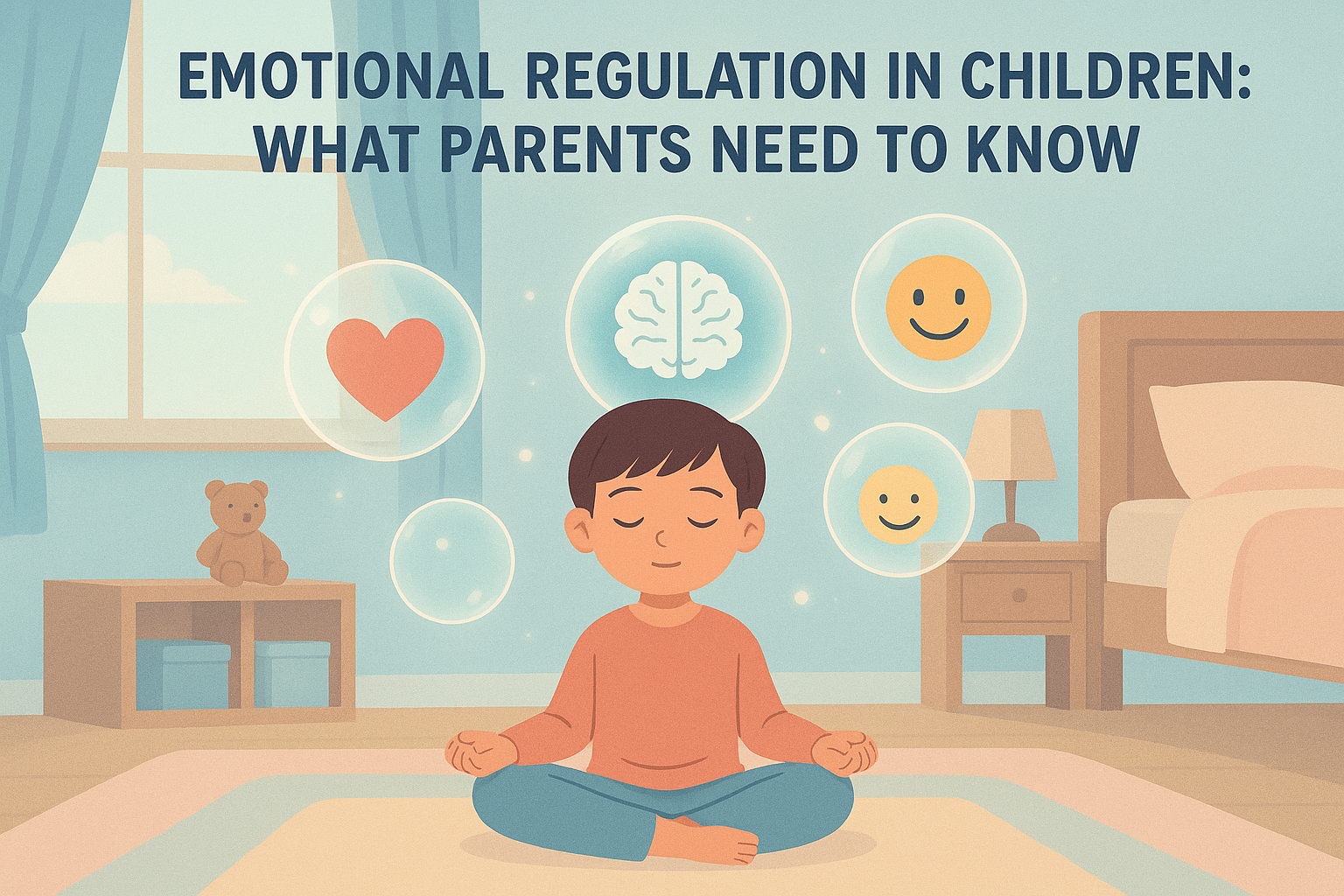
Emotional Regulation in Children: What Parents Need to Know
As parents, one of our primary responsibilities is to guide our children through the complexities of emotions. Understanding and managing emotions is a crucial life skill, and it’s never too early to start teaching it. In this blog post, we’ll explore the concept of emotional regulation in children and offer practical advice for parents seeking to nurture this essential ability in their kids.
Table of Contents
1. Introduction to Emotional Regulation
2. Why Emotional Regulation is Important
3. Signs of Emotional Dysregulation
4. Strategies to Foster Emotional Regulation
5. The Role of Parents in Emotional Development
6. Conclusion
7. FAQs
Introduction to Emotional Regulation
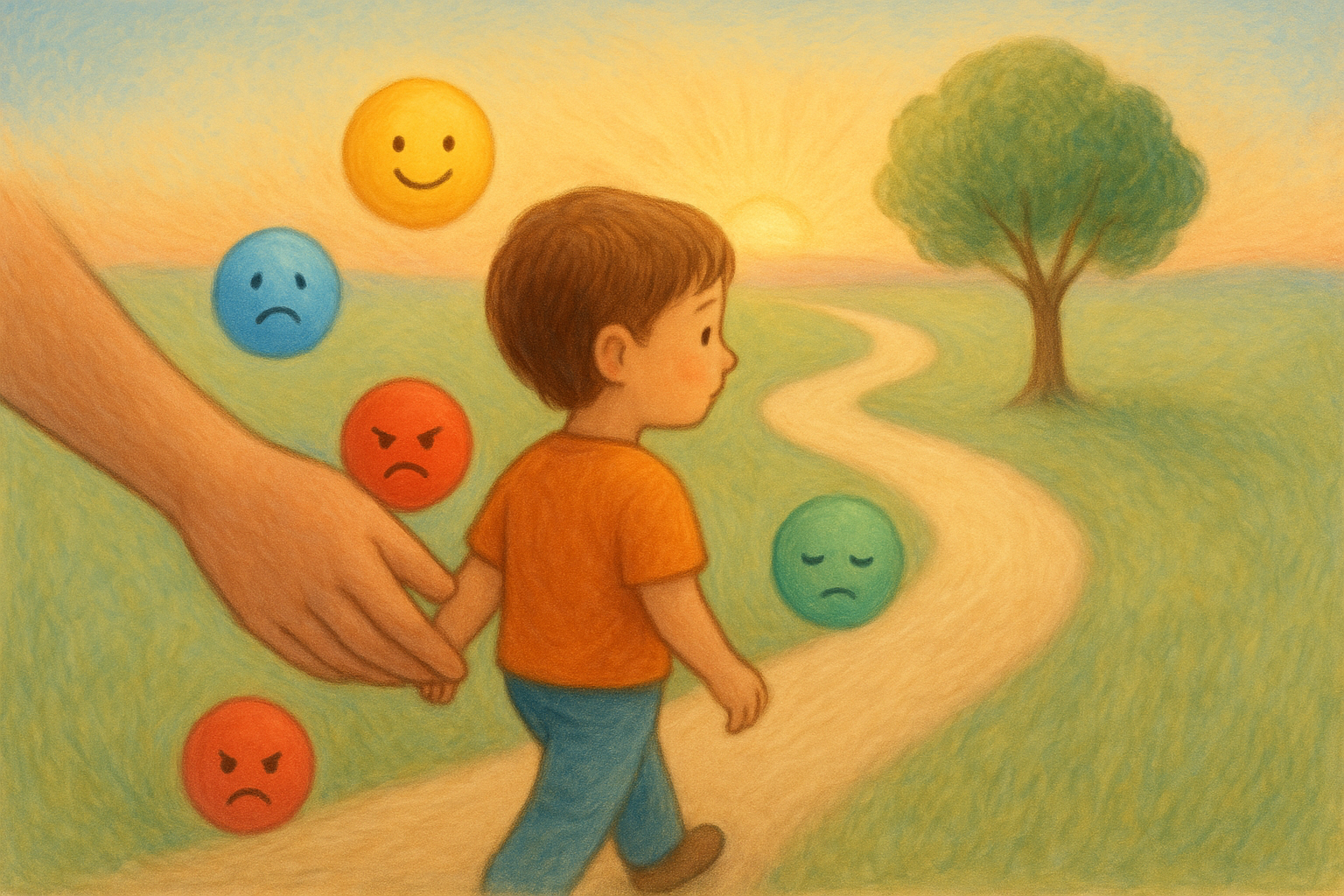
Emotional regulation refers to the ability to manage and respond to emotional experiences appropriately. For children, learning to regulate emotions is foundational for social interactions, academic success, and overall well-being. It involves recognizing emotions, understanding their causes, and managing responses in a way that is socially acceptable and personally beneficial.
Why Emotional Regulation is Important
Emotional regulation is not just about preventing tantrums or outbursts; it’s about equipping children with the skills they need to navigate life’s ups and downs effectively. Well-regulated children tend to have better relationships, perform better in school, and exhibit lower levels of stress and anxiety. They are more adept at problem-solving and tend to have higher self-esteem.
Signs of Emotional Dysregulation
Identifying emotional dysregulation in children can sometimes be challenging. However, there are some common signs to watch for:
– Frequent tantrums or meltdowns
– Difficulty calming down after being upset
– Overreaction to minor setbacks or frustrations
– Trouble understanding or expressing emotions
– Withdrawal or avoidance of social interactions when emotional
If you notice these behaviors consistently, it may be time to explore ways to help your child develop better emotional regulation skills.
Strategies to Foster Emotional Regulation
Helping your child develop emotional regulation skills is a gradual process. Here are some effective strategies:
Model Emotional Regulation
Children learn a lot by observing their parents. Model healthy emotional responses by handling your own emotions calmly and constructively. Share your feelings and thought processes with your child to demonstrate how to handle emotions.
Teach Emotion Recognition
Help your child identify and label their emotions. Use books, movies, or real-life situations to discuss different emotions and their causes. This will increase their emotional vocabulary and understanding.
Create a Safe Space for Expression
Encourage your child to express their feelings without fear of judgment. Establish a safe environment where they feel comfortable sharing their emotions. Active listening and validation are key components in this process.
Practice Mindfulness and Relaxation Techniques
Introduce your child to mindfulness practices, such as deep breathing or guided imagery. These techniques can help them calm down and focus, reducing the intensity of their emotional responses.
Problem-Solving Skills
Teach your child how to approach problems methodically. Encourage them to identify the problem, brainstorm solutions, and evaluate the consequences of each option. This helps them manage emotions related to problem-solving situations.
The Role of Parents in Emotional Development
Parents play a pivotal role in their child’s emotional development. By being a supportive and understanding guide, you can help your child build a strong foundation for emotional regulation. Regularly engage in open conversations about feelings, and provide consistent support and reassurance. Your involvement and empathy are crucial in helping your child feel secure and understood.
Conclusion
Emotional regulation is a vital skill that impacts various aspects of a child’s life. By fostering this ability, you are setting your child up for success both now and in the future. Remember, it’s a journey that requires patience and practice, but the benefits are well worth the effort. As you guide your child through the complexities of their emotions, you’re not just shaping their present, but also their future as emotionally intelligent adults.
FAQs
Q: At what age should children start learning emotional regulation?
A: Emotional regulation can start as early as infancy, with parents modeling calm behavior. More structured teaching can begin around preschool age.
Q: What can I do if my child struggles with emotional regulation?
A: If you’re concerned about your child’s ability to regulate emotions, consider consulting a child psychologist or counselor for personalized strategies and support.
Q: Can emotional regulation difficulties be a sign of a larger issue?
A: Sometimes, emotional regulation challenges may indicate underlying issues such as anxiety or ADHD. It’s important to seek professional advice if you have concerns.