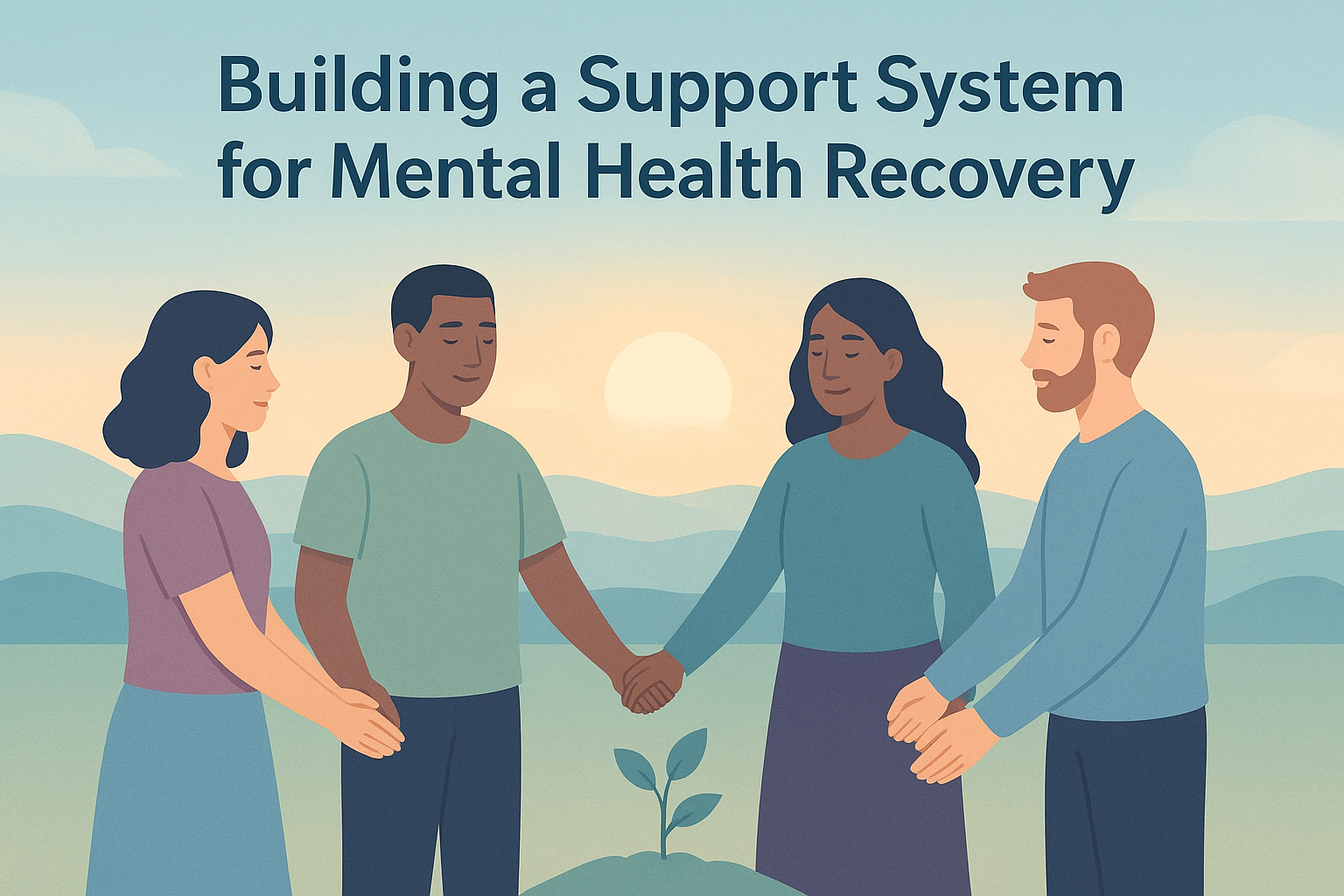
Building a Support System for Mental Health Recovery
Embarking on the journey of mental health recovery can feel overwhelming, but establishing a solid support system can make all the difference. While therapy and medication are vital components, the power of personal connections and community support cannot be underestimated. In this blog post, we’ll explore how to build a robust support system that nurtures mental health recovery, providing practical tips and insights to guide you along the way.
Table of Contents
1. Understanding the Importance of a Support System
2. Identifying Your Support Network
3. Cultivating Open Communication
4. Professional Help: A Key Component
5. Building a Community of Support
6. Self-Care as Part of Your Support System
7. Conclusion
8. FAQs
Understanding the Importance of a Support System
A support system is crucial for mental health recovery as it provides emotional guidance, practical help, and a sense of belonging. Having people who understand your struggles and offer encouragement can significantly enhance your resilience and coping strategies. Moreover, a strong support network can help you stay motivated and accountable, making it easier to stick to your recovery plan.
Identifying Your Support Network
Your support network can include family, friends, mental health professionals, and peer support groups. It’s essential to identify individuals who are empathetic, trustworthy, and willing to listen without judgment. Consider reaching out to those who have shown genuine concern for your well-being in the past. Remember, it’s not about the number of people but the quality of support they can provide.
Cultivating Open Communication
Open and honest communication is the foundation of any effective support system. Share your feelings, struggles, and progress with your support network. Encourage them to ask questions and express their thoughts, creating a mutually beneficial dialogue. Be clear about your needs and how they can assist you, whether it’s through regular check-ins, attending therapy sessions with you, or simply being there to listen.
Professional Help: A Key Component
While personal relationships are invaluable, professional mental health support is equally crucial. Therapists, counselors, and psychiatrists offer expert guidance, coping strategies, and medication management. They provide a safe space to explore your emotions and work through challenges. Regular sessions with a mental health professional can complement the support you receive from friends and family, creating a balanced recovery approach.
Building a Community of Support
Joining support groups or community organizations related to mental health can expand your support network significantly. These groups offer a sense of camaraderie, as you’re surrounded by individuals who understand your experiences. Sharing stories and strategies with others on a similar journey can be incredibly validating and inspiring. Look for local or online support groups that align with your specific mental health needs.
Self-Care as Part of Your Support System
Self-care is an integral part of your support system. Taking the time to nurture yourself physically, emotionally, and mentally can boost your recovery process. This includes maintaining a healthy lifestyle, practicing mindfulness, pursuing hobbies, and setting boundaries. By prioritizing self-care, you’re reinforcing your own strength and resilience, which enhances the overall effectiveness of your support network.
Conclusion
Building a support system for mental health recovery is a dynamic and ongoing process. It involves cultivating meaningful relationships, seeking professional help, and prioritizing self-care. With the right support network, you can navigate the challenges of mental health recovery with greater ease and confidence. Remember, you’re not alone on this journey; there are people who care and want to help you succeed.
FAQs
Q: How do I approach someone to be part of my support network?
A: Start by having an open conversation about your mental health journey and express how much their support would mean to you. Be specific about what you need and why you value their involvement.
Q: What if my family doesn’t understand my mental health struggles?
A: It’s common for family members to lack understanding. Consider educating them about your condition or involving them in therapy sessions. If needed, seek support from friends or professional groups who empathize with your situation.
Q: How can I find a suitable support group?
A: Look for local mental health organizations, online forums, or community centers that offer support groups. Websites like Meetup or Facebook groups can also connect you with individuals who share similar experiences.
Q: What role does technology play in building a support system?
A: Technology can facilitate communication and access to resources. Video calls, online therapy, and mental health apps make it easier to connect with your support network and access professional help, no matter where you are.