
How to Build a Network of Support for Mental Health
In today’s fast-paced world, mental health is a crucial aspect of overall well-being that often gets overlooked. Having a robust support network can make a significant difference in managing mental health challenges. This blog post will guide you on how to build a network of support that can help you or your loved ones thrive mentally and emotionally.
Table of Contents
1. Introduction
2. Understanding the Importance of Support Networks
3. Identifying Your Support Needs
4. Reaching Out to Friends and Family
5. Engaging with Community Resources
6. Leveraging Professional Help
7. Utilizing Online Communities
8. Conclusion
9. FAQs

Understanding the Importance of Support Networks
Support networks are vital for maintaining mental health. They provide emotional backing, practical assistance, and a sense of belonging. A strong support network can help reduce stress, increase resilience, and improve overall mental health outcomes. It’s essential to recognize that reaching out for support is a strength, not a weakness.
Identifying Your Support Needs
Before building a network, it’s crucial to identify your specific support needs. Consider the following questions: What kind of support do you need? Is it emotional, practical, or informational? Are there particular times you feel more vulnerable? By understanding your needs, you can better tailor your support network to fit your circumstances.
Reaching Out to Friends and Family
Friends and family are often the first line of support. They know you well and can provide comfort and understanding. Start by having open conversations with them about your mental health needs. Be honest about how they can help you. Remember, it’s okay to set boundaries and communicate what you need from them.
Engaging with Community Resources
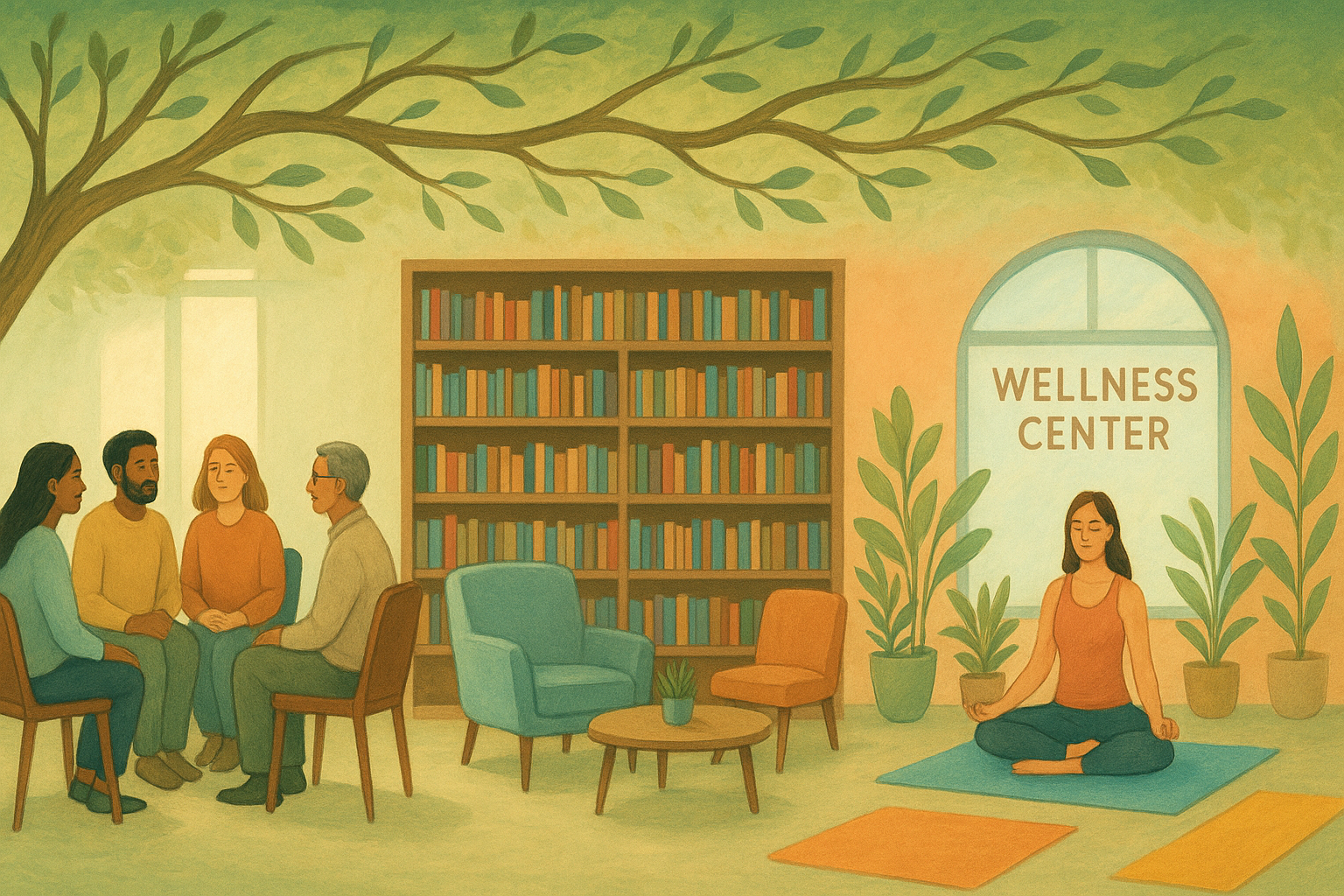
Communities often offer resources that can be invaluable when building a support network. Look for local support groups, mental health workshops, or wellness centers. Libraries and community centers can be good starting points to find information about local mental health resources. Engaging with these resources can provide you with additional support and a sense of belonging.
Leveraging Professional Help
Professional help is a crucial component of a support network. Therapists, counselors, and psychiatrists are trained to help you navigate mental health challenges. Don’t hesitate to seek professional guidance if you need it. They can offer valuable insights and tools to improve your mental health.
Utilizing Online Communities
Online communities can be an excellent addition to your support network. They offer anonymity and the ability to connect with people who might be experiencing similar challenges. Platforms like forums, social media groups, or dedicated mental health apps can provide a sense of community and understanding. However, ensure that the communities you engage with are positive and supportive.
Conclusion
Building a network of support for mental health is a proactive step towards better well-being. By understanding your needs and reaching out to friends, family, community resources, and professionals, you create a safety net that can help you navigate life’s challenges. Remember, you’re not alone, and there are people and resources ready to support you on your journey.
FAQs
Q: How can I start a conversation about mental health with my family?
A: Begin by choosing a calm, private setting. Use “I” statements to express your feelings and needs, and be honest about how they can support you.
Q: What if I don’t feel comfortable talking to friends or family?
A: Consider reaching out to a mental health professional or joining an online community where you can share experiences and receive support anonymously.
Q: How do I find a mental health professional?
A: You can start by asking for referrals from your primary care doctor, checking with your insurance provider, or using online directories like Psychology Today.
Q: Are online support groups effective?
A: Yes, online support groups can be very effective as they offer a platform to connect with others who understand your experiences. Just ensure the group is moderated and provides a positive environment.