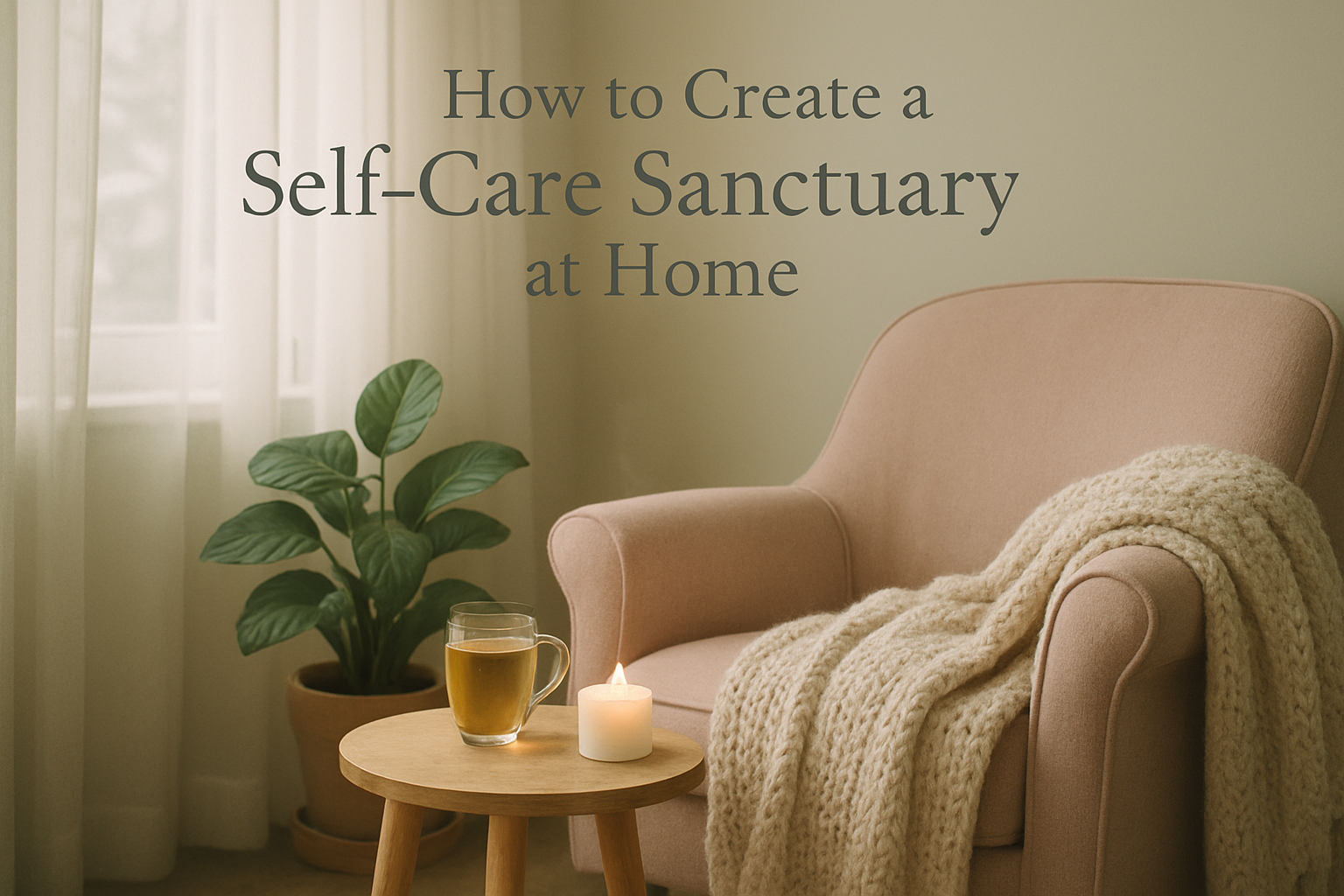
How to Create a Self-Care Sanctuary at Home
In today’s fast-paced world, finding moments of peace and relaxation can be challenging. Creating a self-care sanctuary at home is a wonderful way to carve out a space dedicated to nurturing your mind, body, and soul. This guide will walk you through the steps to transform an ordinary room into a personal haven of tranquility.
Table of Contents
1. Introduction
2. Choosing the Right Space
3. Setting the Mood with Lighting
4. Incorporating Calming Colors
5. The Power of Natural Elements
6. Adding Personal Touches
7. Creating a Meditation Zone
8. Conclusion
9. FAQs
Choosing the Right Space
The first step in creating your self-care sanctuary is choosing the right space. Ideally, this should be a quiet area in your home where you can escape from daily distractions. It doesn’t have to be a large room; even a small corner can be transformed into a retreat with the right elements. Consider areas like a spare bedroom, a corner of your living room, or even a section of your bedroom.
Setting the Mood with Lighting
Lighting plays a crucial role in creating a calming atmosphere. Aim for soft, ambient lighting that soothes rather than stimulates. You can achieve this by using lamps with warm-toned bulbs, candles, or even fairy lights. Dimmer switches are another great option, allowing you to adjust the light to your mood.
Incorporating Calming Colors
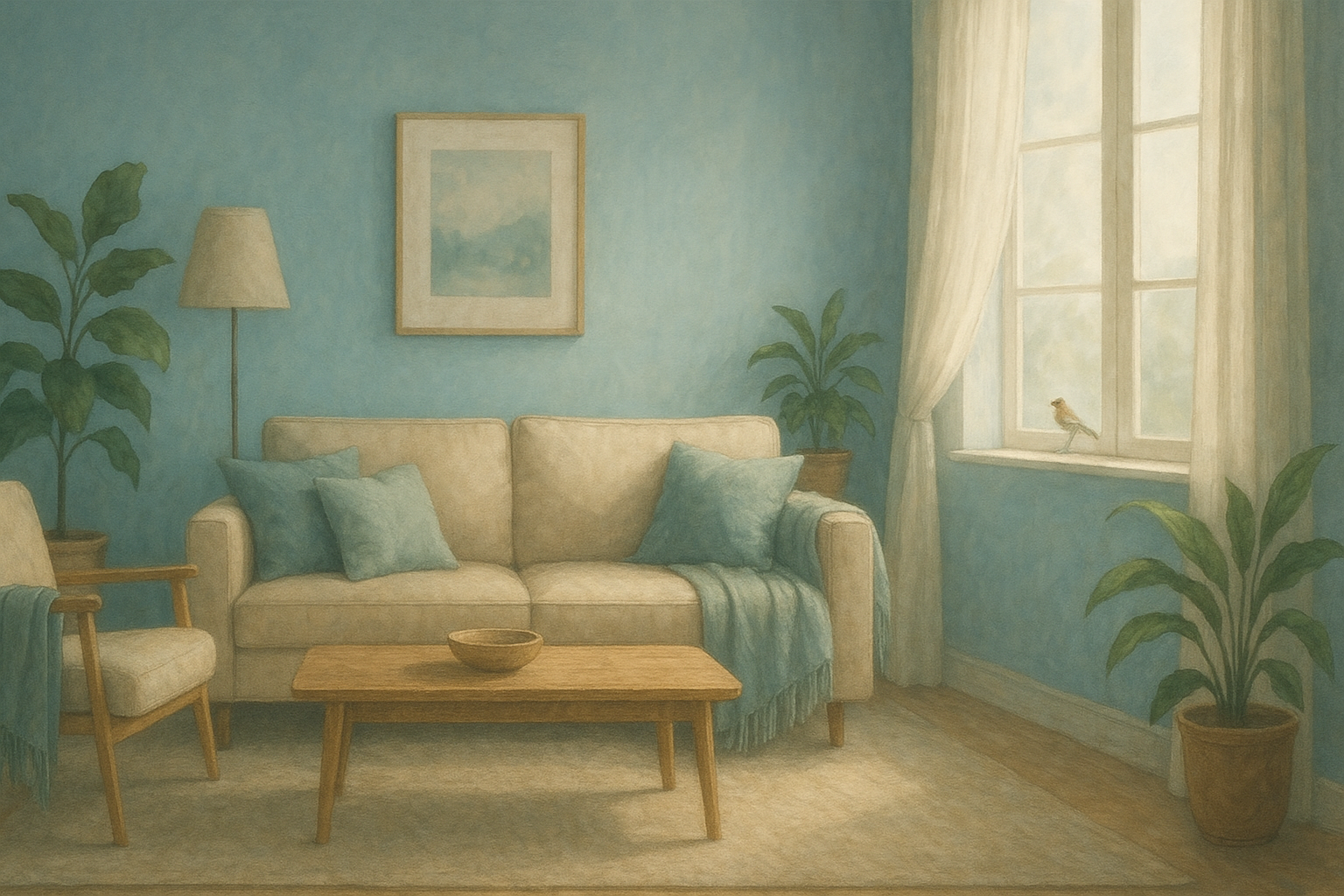
Colors can significantly impact your mood and stress levels. For your sanctuary, choose colors that promote relaxation and peace. Soft blues, gentle greens, and warm neutral tones are excellent choices. These colors can be introduced through paint, decor, or textiles like cushions and throws.
The Power of Natural Elements
Bringing elements of nature into your space can enhance feelings of calm and well-being. Consider adding plants, which not only purify the air but also add a touch of life to your sanctuary. Other natural elements like stones, crystals, or a small water feature can contribute to a soothing environment.
Adding Personal Touches
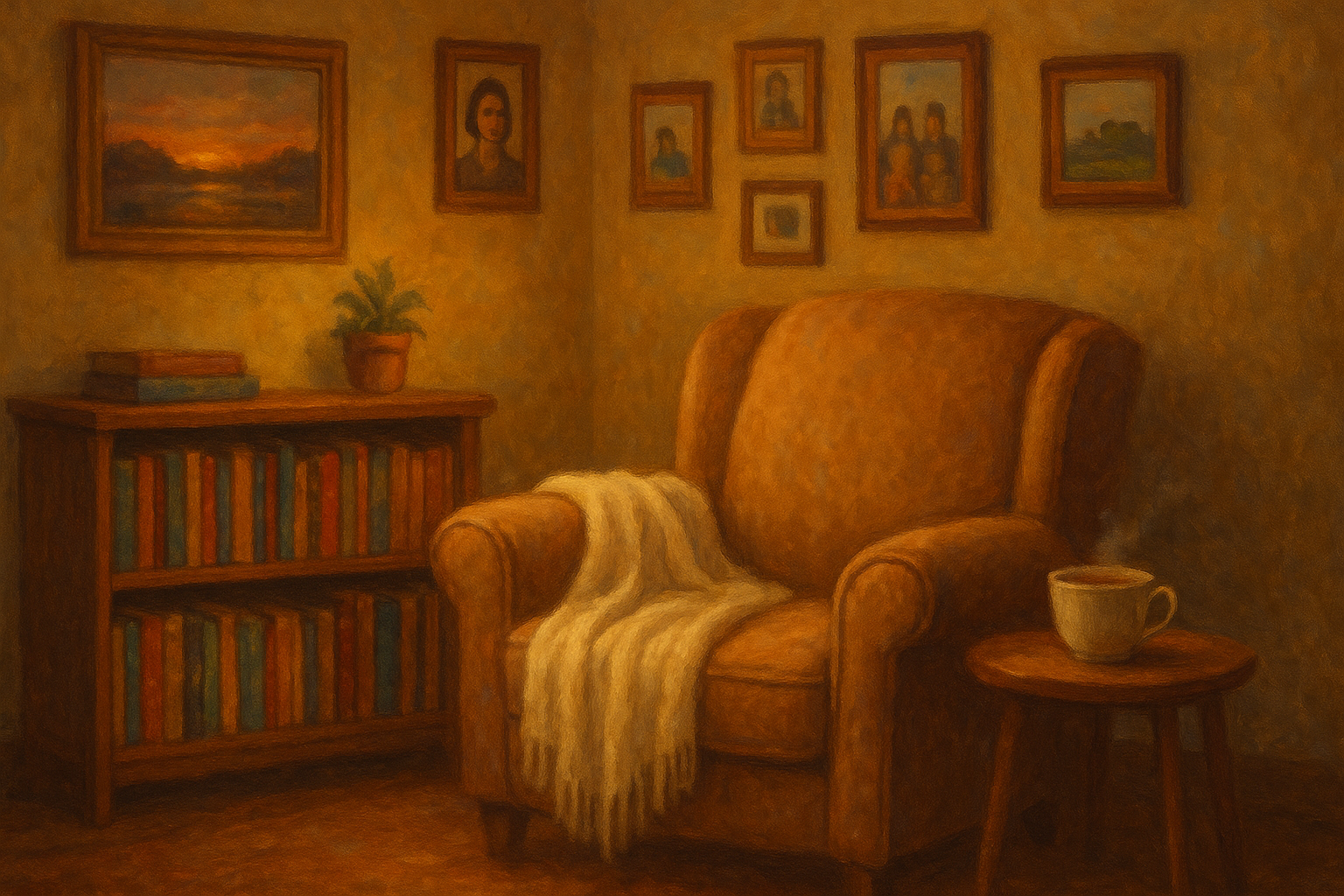
Your sanctuary should reflect your personal tastes and interests. Add items that bring you joy and comfort, such as favorite books, meaningful artwork, or family photos. These personal touches make your space uniquely yours and can enhance the feeling of safety and relaxation.
Creating a Meditation Zone
If meditation is part of your self-care routine, dedicate a specific area for this practice. A comfortable cushion or chair, positioned in a quiet part of your sanctuary, can serve as your meditation zone. Consider incorporating a small altar with spiritual items or symbols that inspire you.
Conclusion
Creating a self-care sanctuary at home is an investment in your well-being. By thoughtfully choosing your space, lighting, colors, and personal touches, you can craft a haven that provides peace and rejuvenation. Remember, the most important aspect of your sanctuary is that it meets your personal needs and preferences, helping you to unwind and recharge.
FAQs
Q: Do I need a large space to create a self-care sanctuary?
A: Not at all. Even a small corner can be transformed into a peaceful retreat with the right elements.
Q: What if I live in a noisy environment?
A: Consider using noise-cancelling headphones, white noise machines, or soothing music to help mask background noise.
Q: How can I make my sanctuary smell nice?
A: Scented candles, essential oil diffusers, or incense can add a pleasing aroma to your space, enhancing relaxation.
By following these steps, you’ll be well on your way to creating a self-care sanctuary that serves as a refuge from the stresses of daily life. Happy relaxing!