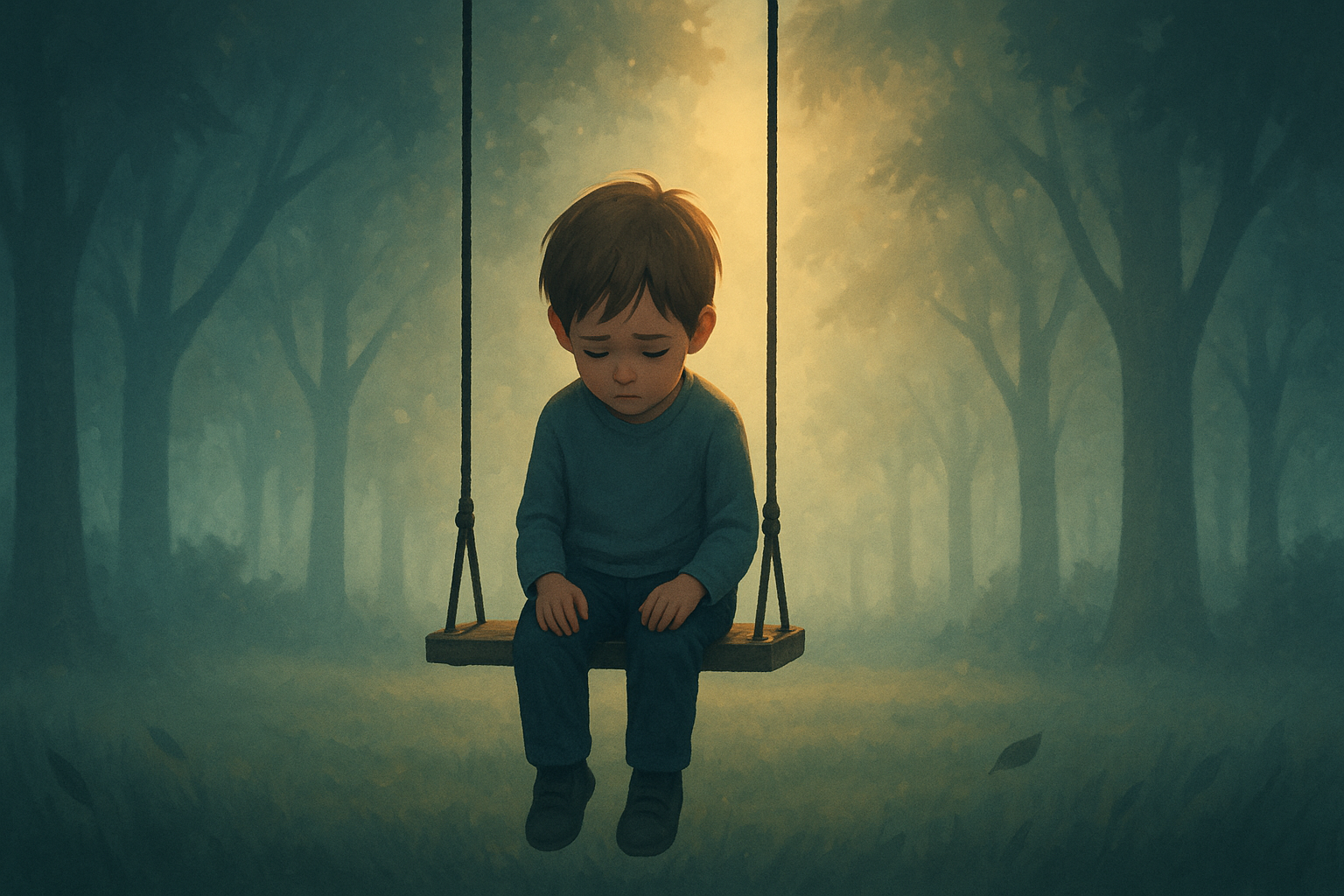
Understanding PTSD in Children: Signs, Symptoms, and Support
Post-Traumatic Stress Disorder (PTSD) is a mental health condition that can affect anyone, including children. While often associated with adults and veterans, PTSD in children is a growing concern that requires understanding and attention. This blog post delves into the signs, symptoms, and ways to support children experiencing PTSD. We aim to provide a comprehensive guide for parents, educators, and caregivers to recognize and help children in need.
Table of Contents
1. Introduction to PTSD in Children
2. Recognizing the Signs of PTSD in Children
3. Common Symptoms of PTSD in Children
4. Causes of PTSD in Children
5. Supporting a Child with PTSD
6. Conclusion
7. FAQs
Introduction to PTSD in Children
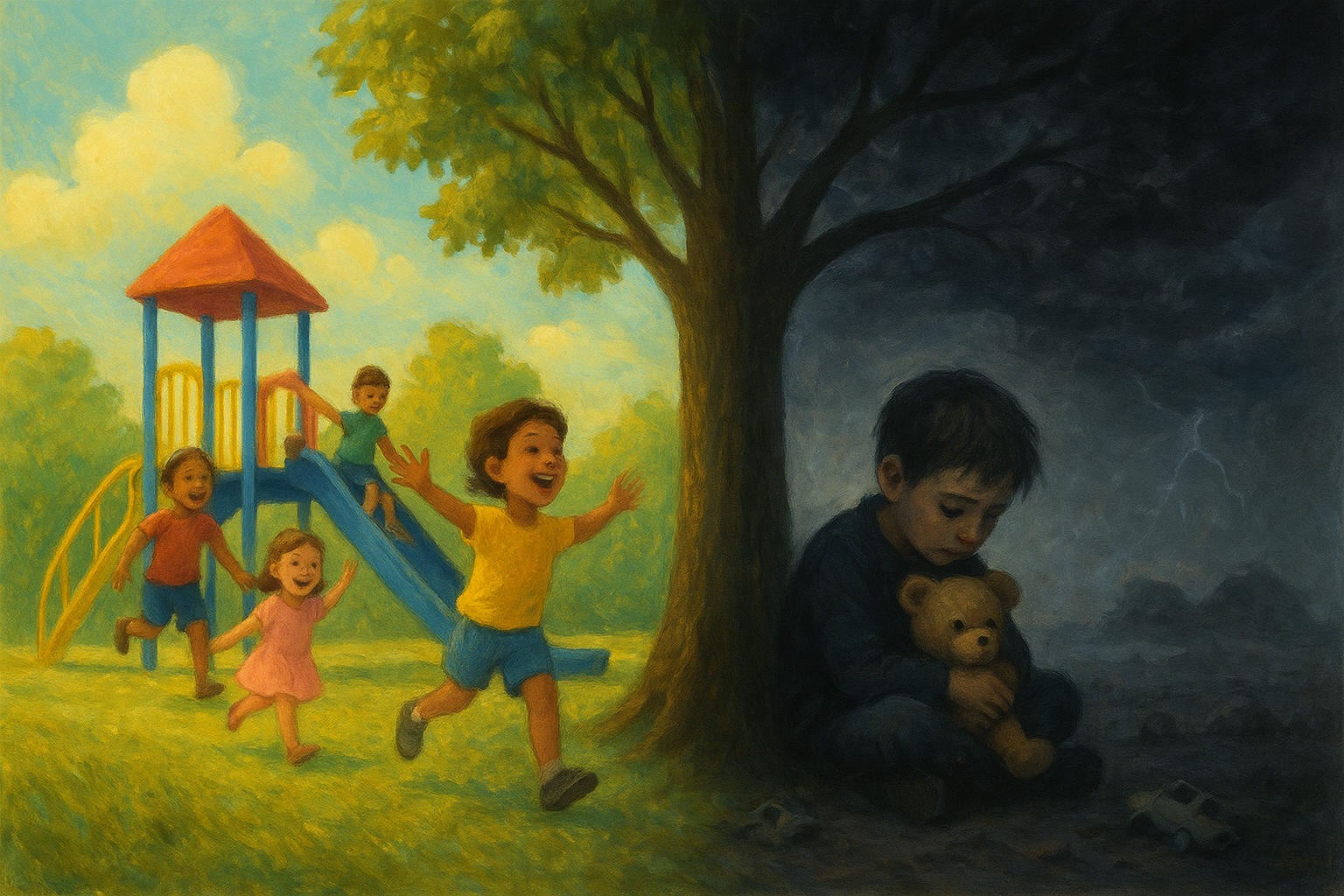
Childhood is supposed to be a time of joy, learning, and exploration. Unfortunately, some children face traumatic events that leave lasting impressions. PTSD in children can stem from various experiences, including natural disasters, accidents, abuse, or witnessing violence. Understanding PTSD in children is crucial for providing the necessary support and intervention to help them heal and thrive.
Recognizing the Signs of PTSD in Children
Identifying PTSD in children can be challenging as they may not express their feelings as clearly as adults. However, there are recognizable signs that parents and caregivers should be aware of:
1. Behavioral Changes: A child may suddenly become withdrawn, irritable, or angry without apparent reason. They might display regressive behaviors like bedwetting or thumb-sucking.
2. Emotional Distress: Children may seem overly anxious or fearful, especially in situations that remind them of the traumatic event.
3. Avoidance: A child might avoid places, people, or activities that remind them of the trauma.
Common Symptoms of PTSD in Children
In addition to behavioral signs, children with PTSD might display specific symptoms that indicate they are struggling:
1. Nightmares and Sleep Disturbances: Frequent nightmares or trouble sleeping can be a common symptom of PTSD in children.
2. Difficulty Concentrating: Children may have trouble focusing on schoolwork or other tasks, which can impact their academic performance.
3. Physical Symptoms: Some children may complain of headaches, stomachaches, or other physical pains without a clear medical cause.
Causes of PTSD in Children
Understanding what causes PTSD in children can help in identifying those at risk. Some common causes include:
1. Exposure to Violence: Witnessing or being a victim of violence can trigger PTSD in children.
2. Natural Disasters: Experiencing natural disasters like hurricanes or earthquakes can have a traumatic impact on children.
3. Accidents or Injuries: Serious accidents or injuries can also be traumatic events leading to PTSD.
Supporting a Child with PTSD
Providing support to a child with PTSD involves patience, empathy, and understanding. Here are some ways to help:
1. Professional Help: Seek the guidance of mental health professionals specializing in child psychology to provide therapy and counseling.
2. Open Communication: Encourage open dialogue with the child, allowing them to express their feelings and fears without judgment.
3. Create a Safe Environment: Ensure that the child feels safe and secure at home and in their surroundings.
Conclusion
PTSD in children is a serious condition that requires attention and care. By recognizing the signs, understanding the symptoms, and providing appropriate support, we can help children navigate their trauma and move towards healing. Early intervention and awareness are key to ensuring that children with PTSD receive the care they need to lead healthy, fulfilling lives.
FAQs
Q: Can PTSD in children be cured?
A: While PTSD is a chronic condition, with professional treatment and support, many children can learn to manage their symptoms effectively and lead productive lives.
Q: How long does PTSD last in children?
A: The duration of PTSD varies depending on the individual and the treatment they receive. Early intervention can significantly improve outcomes.
Q: What should I do if I suspect my child has PTSD?
A: If you suspect your child has PTSD, consult a mental health professional who can provide a proper diagnosis and recommend treatment options.