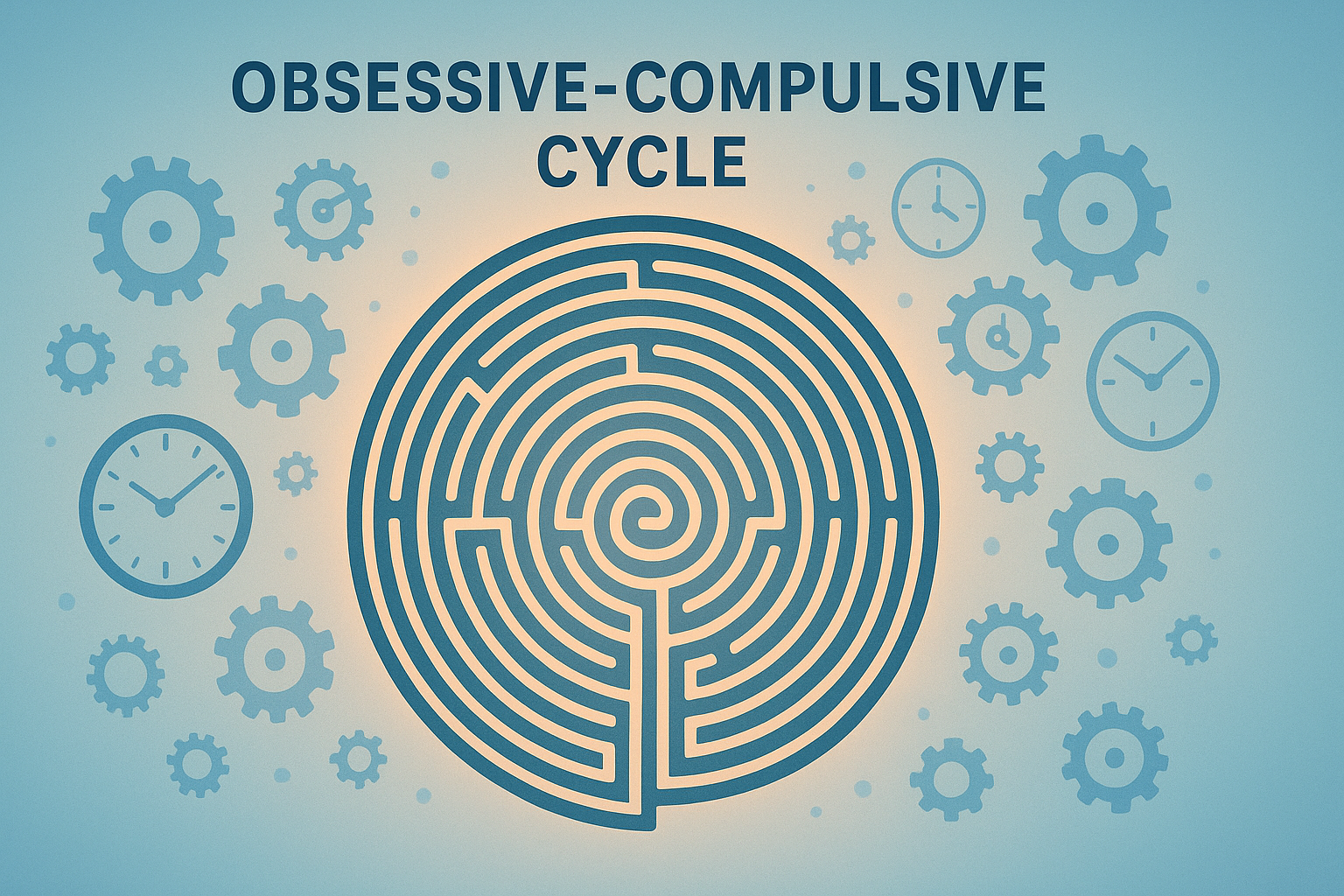
OCD: Understanding the Obsessive-Compulsive Cycle
Obsessive-Compulsive Disorder (OCD) is often misunderstood and misrepresented. Many people throw around the term casually, but for those who live with OCD, it is a serious condition that can impact daily life. In this post, we’ll delve into the obsessive-compulsive cycle, shedding light on how OCD truly affects individuals and offering insights into management and understanding.
Table of Contents
1. Introduction to OCD
2. What is the Obsessive-Compulsive Cycle?
3. Identifying Obsessions
4. Recognizing Compulsions
5. The Impact of the OCD Cycle
6. Breaking the Cycle: Treatment Options
7. Conclusion
8. FAQs
Introduction to OCD
Obsessive-Compulsive Disorder is a mental health condition characterized by persistent, unwanted thoughts (obsessions) and repetitive behaviors or mental acts (compulsions). These obsessions and compulsions are distressing and can interfere significantly with daily activities and relationships.
What is the Obsessive-Compulsive Cycle?
The OCD cycle consists of four main components: obsession, anxiety, compulsion, and relief. This cycle can become a relentless loop that individuals feel powerless to break. Understanding each part of this cycle is crucial for recognizing and addressing OCD.
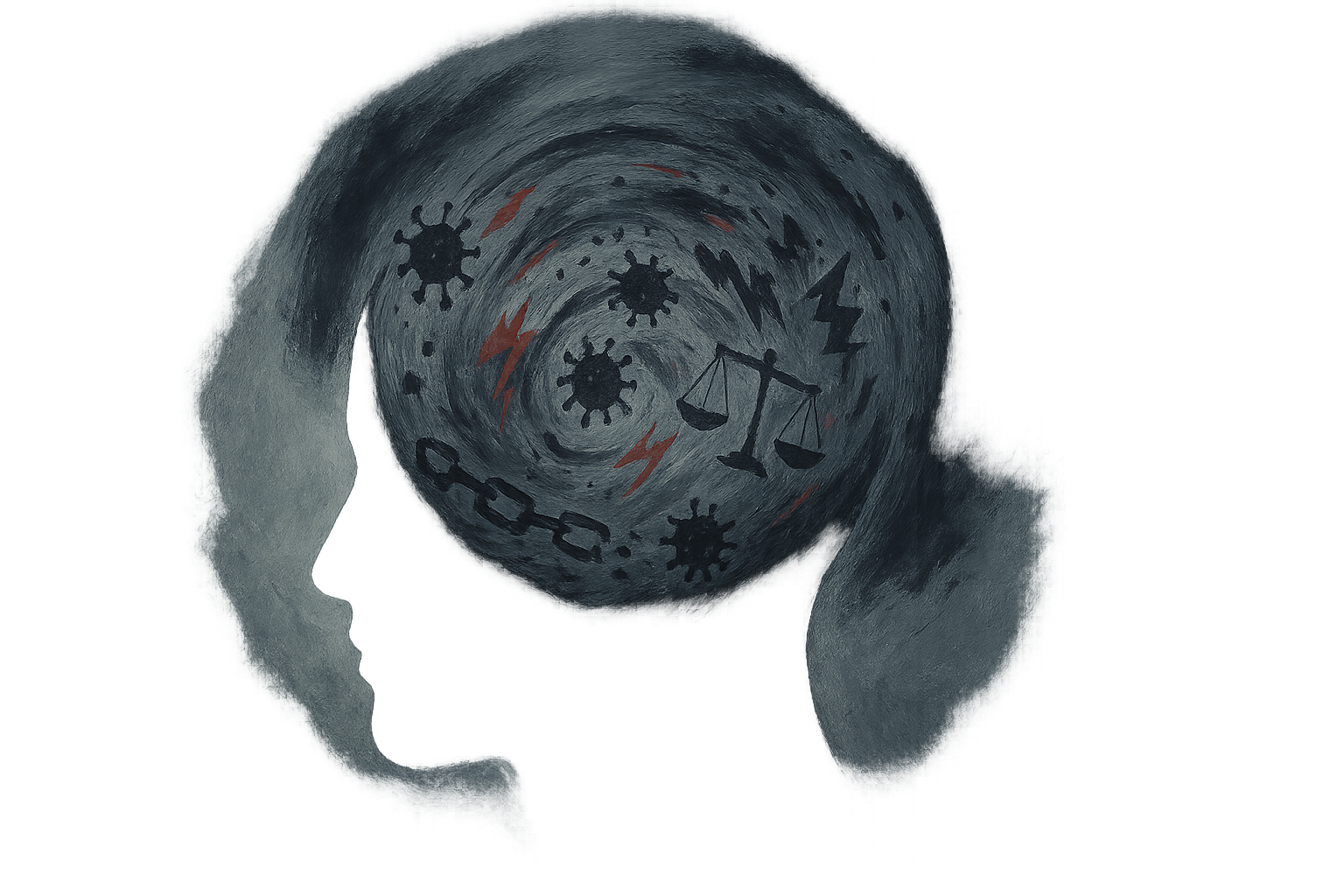
Identifying Obsessions
Obsessions are intrusive and unwanted thoughts, images, or urges that trigger distressing feelings. Common obsessions include fears of contamination, harming others, or violating personal moral codes. It’s important to note that these obsessions are not simply everyday worries; they are persistent and can cause significant anxiety.
Recognizing Compulsions
Compulsions are the actions taken to suppress or neutralize the obsessions. They can be physical actions, like washing hands excessively, or mental acts, such as counting or praying. These behaviors are often performed to reduce the distress caused by obsessions, but they provide only temporary relief, leading the cycle to start anew.
The Impact of the OCD Cycle
The obsessive-compulsive cycle can have a profound effect on an individual’s life. The constant battle with intrusive thoughts and the need to perform compulsive acts can lead to strained relationships, difficulty at work or school, and a decreased quality of life. Furthermore, the time consumed by compulsions can leave little room for other activities.
Breaking the Cycle: Treatment Options
While OCD can be debilitating, there are effective treatments available. Cognitive-behavioral therapy (CBT), particularly Exposure and Response Prevention (ERP), is a widely recognized treatment that helps individuals face their fears and reduce compulsive behaviors. Medications, such as selective serotonin reuptake inhibitors (SSRIs), can also be beneficial in managing symptoms.
It’s important for individuals with OCD to seek professional help. Support groups and online communities can provide additional support and understanding, helping those affected feel less isolated.
Conclusion
Understanding the obsessive-compulsive cycle is a critical step in addressing OCD. By recognizing the patterns of obsessions and compulsions, individuals can begin to disrupt the cycle and manage their symptoms more effectively. While OCD is challenging, with the right treatment and support, it is possible to lead a fulfilling life.
FAQs
Q: Can OCD be cured?
A: While there is no cure for OCD, symptoms can be managed effectively through therapy and medication, allowing individuals to lead productive lives.
Q: Are compulsions always visible actions?
A: No, compulsions can also be mental acts, such as repeating phrases silently or mentally counting.
Q: How can I support someone with OCD?
A: Educate yourself about OCD, be patient, and encourage them to seek professional help. Listening and offering support without judgment can make a significant difference.