In today’s fast-paced world, maintaining emotional balance can feel like a complex puzzle. The mind-body connection plays a crucial role in achieving emotional regulation, an essential aspect of mental health. Understanding how our bodies and minds intertwine can offer profound insights into managing emotions effectively. In this blog post, we explore the mind-body connection’s pivotal role in emotional regulation and how you can harness it to improve your well-being.
Table of Contents
1. Introduction to Emotional Regulation
2. Understanding the Mind-Body Connection
3. How the Mind-Body Connection Influences Emotions
4. Techniques to Enhance the Mind-Body Connection
5. Benefits of Effective Emotional Regulation
6. Conclusion
7. FAQs
Introduction to Emotional Regulation
Emotional regulation refers to the ability to manage and respond to emotional experiences in a healthy way. It involves not only recognizing and understanding our emotions but also controlling them when necessary. Whether it’s anger, sadness, joy, or fear, regulating these emotions effectively is key to leading a balanced life.
Many struggle with emotional regulation due to stress, trauma, or simply the daily grind. Luckily, the mind-body connection offers a pathway to better manage these emotions, promoting a more harmonious life.
Understanding the Mind-Body Connection
The mind-body connection is the profound link between our mental states and physical well-being. This connection implies that our thoughts, feelings, beliefs, and attitudes can positively or negatively affect our biological functioning. In turn, what we do with our physical bodies can impact our mental state.
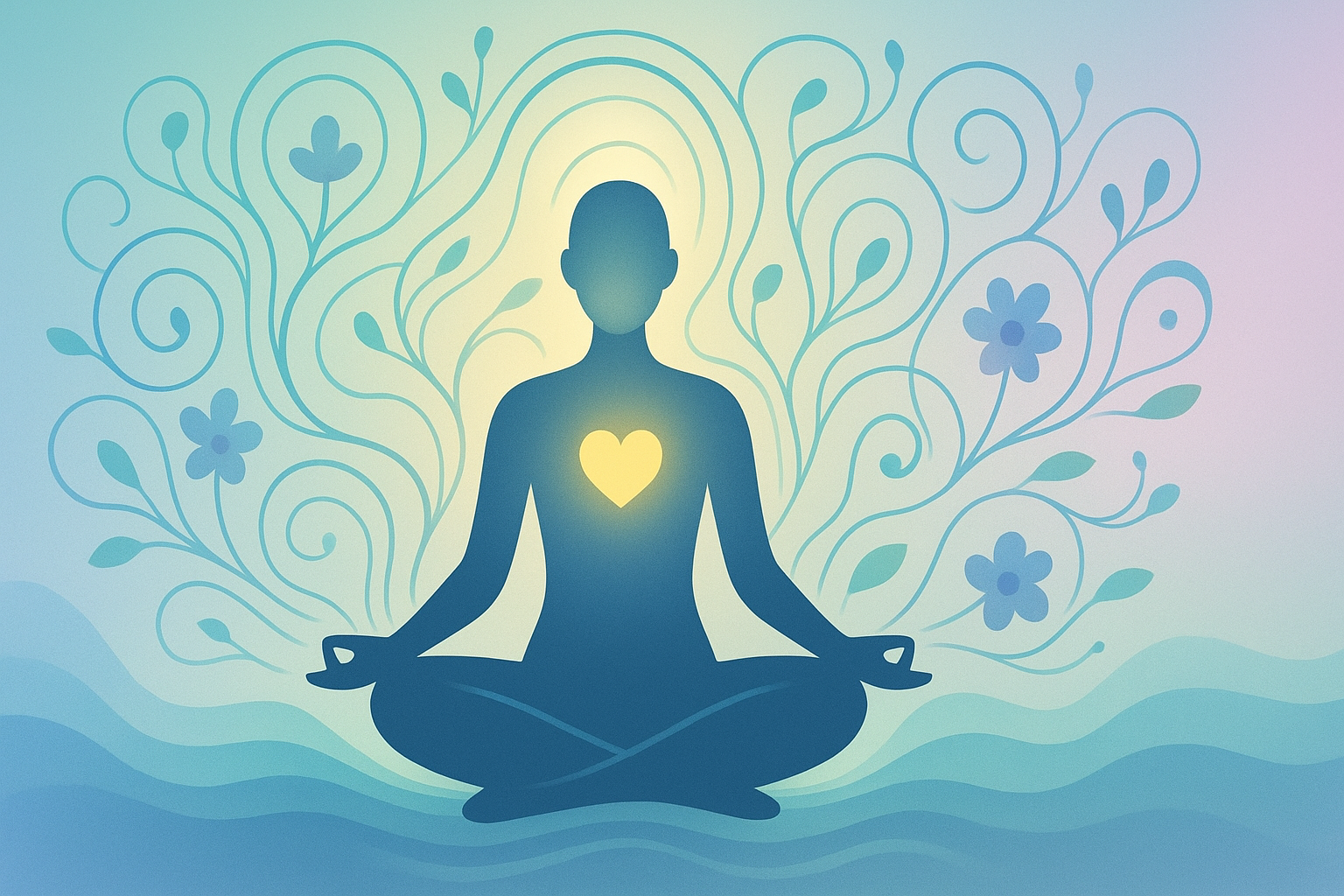
For instance, have you ever noticed how your mood lifts after a brisk walk or a session of yoga? This is a simple example of the mind-body connection at work. By tapping into this connection, we can influence our emotions and improve our mental health.
#James Donaldson notes: Welcome to the “next chapter” of my life… being a voice and an advocate for #mentalhealthawarenessandsuicideprevention, especially pertaining to our younger generation of students and student-athletes. Getting men to speak up and reach out for help and assistance is one of my passions. Us men need to not suffer in silence or drown our sorrows in alcohol, hang out at bars and strip joints, or get involved with drug use. Having gone through a recent bout of #depression and #suicidalthoughts myself, I realize now, that I can make a huge difference in the lives of so many by sharing my story, and by sharing various resources I come across as I work in this space.#http://bit.ly/JamesMentalHealthArticle Find out more about the work I do on my 501c3 non-profit foundation website www.yourgiftoflife.org Order your copy of James Donaldson’s latest book, #CelebratingYourGiftofLife: From The Verge of Suicide to a Life of Purpose and Joy
The mind-body connection can significantly impact emotional regulation. When we experience stress or anxiety, our body often responds with physical symptoms, such as increased heart rate or muscle tension. Conversely, physical relaxation can lead to mental calmness.
Practices such as mindful breathing, meditation, and physical exercise can help modulate the stress response, reducing the production of stress hormones like cortisol. This physiological change can enhance mood and emotional stability.
Furthermore, the mind-body connection acknowledges the role of the nervous system and the brain’s neuroplasticity. By consistently engaging in mind-body practices, we can rewire our brain to respond more calmly to emotional triggers.
Techniques to Enhance the Mind-Body Connection
To leverage the mind-body connection for better emotional regulation, consider incorporating the following techniques into your routine:
Mindful Breathing
Mindful breathing involves focusing on your breath to anchor your thoughts and calm your mind. Practicing this regularly can help reduce stress and improve emotional control.
Meditation
Meditation encourages relaxation and mindfulness. It helps increase your awareness of your thoughts and emotions, allowing you to observe them without judgment.
Yoga
Yoga combines physical postures, breathing exercises, and meditation. It not only builds strength and flexibility but also enhances mental clarity and emotional resilience.
Physical Exercise
Regular physical activity boosts endorphins, the body’s natural mood enhancers. Exercise can reduce stress and anxiety, promoting a more balanced emotional state.
Benefits of Effective Emotional Regulation
Emotional regulation through the mind-body connection offers numerous benefits. These include improved mental health, better stress management, enhanced relationships, and a greater sense of overall well-being. Individuals who effectively regulate their emotions often experience increased resilience, enabling them to handle life’s challenges with grace and poise.
Additionally, emotional regulation can lead to improved focus and productivity, as emotional distractions are minimized. This can positively impact both personal and professional life.
Conclusion
Understanding and nurturing the mind-body connection is a powerful tool for emotional regulation. By integrating practices that enhance this connection into your daily routine, you can cultivate a more balanced and fulfilling life. Whether it’s through mindful breathing, meditation, yoga, or regular physical exercise, the path to emotional well-being is within reach. Embrace the journey and witness the transformative effects on your mental health.
FAQs
What is emotional regulation?
Emotional regulation is the ability to manage and respond to emotional experiences in a healthy and balanced manner.
How does the mind-body connection affect emotions?
The mind-body connection affects emotions by influencing how our physical states impact mental states and vice versa. This connection can help modulate stress responses and improve emotional stability.
What are some mind-body practices for emotional regulation?
Mind-body practices for emotional regulation include mindful breathing, meditation, yoga, and physical exercise.
Can improving emotional regulation enhance mental health?
Yes, effective emotional regulation can lead to improved mental health, better stress management, and enhanced overall well-being.