The Impact of Hormones on Mental Health
Understanding the intricate relationship between hormones and mental health is crucial in today’s fast-paced world. Hormones play a significant role in regulating mood, emotions, and overall mental well-being. This post delves into how hormonal changes can impact mental health, offering insights into common hormonal disorders and their implications.
Table of Contents
1. Introduction to Hormones and Mental Health
2. How Hormones Affect the Brain
3. Common Hormonal Disorders Impacting Mental Health
4. The Gender Factor: Hormones and Mental Health in Women
5. Hormonal Changes Across Different Life Stages
6. Coping Strategies and Treatment Options
7. Conclusion
8. FAQs
Introduction to Hormones and Mental Health
Hormones are chemical messengers that travel throughout the body, coordinating complex processes like growth, metabolism, and fertility. When it comes to mental health, hormones can influence mood, behavior, and cognitive functions. A disruption in hormonal balance can lead to mood disorders, anxiety, depression, and other mental health issues. Let’s explore how these powerful chemicals affect the mind.
How Hormones Affect the Brain
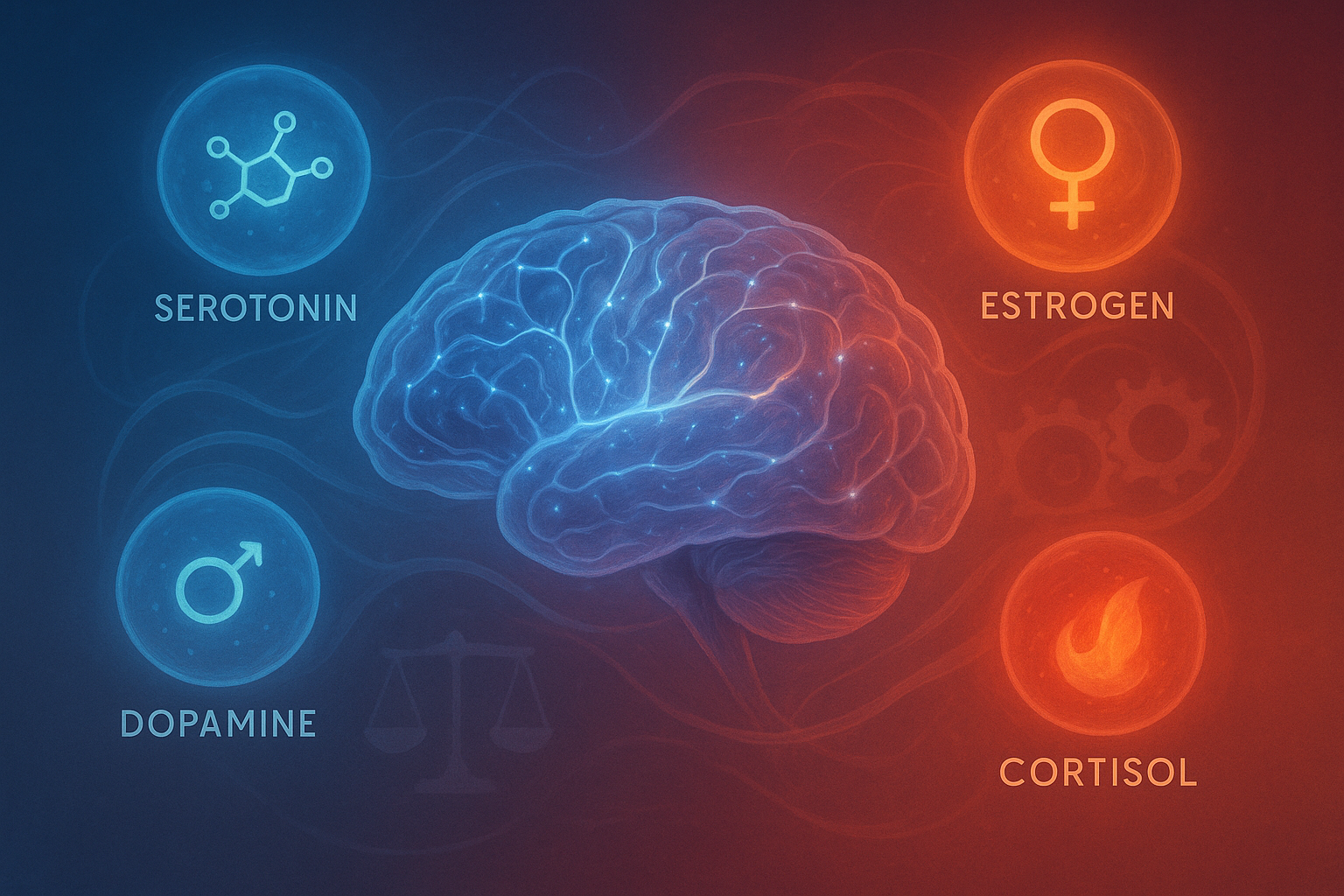
The brain and hormones are in constant communication, working together to maintain homeostasis. Neurotransmitters, such as serotonin and dopamine, are influenced by hormones like estrogen, testosterone, and cortisol. For instance, cortisol, often called the “stress hormone,” can significantly impact mood and anxiety levels. When the body is under stress, cortisol levels rise, potentially leading to anxiety and depression. Understanding this connection helps in recognizing the signs of hormonal imbalances and addressing them appropriately.
Common Hormonal Disorders Impacting Mental Health
Several hormonal disorders can disrupt mental well-being. Conditions like hypothyroidism, hyperthyroidism, and polycystic ovary syndrome (PCOS) often lead to mood swings, depression, and anxiety. Thyroid hormones, which regulate metabolism, can cause depression when levels are too low, and anxiety when they are too high. Additionally, PCOS can cause hormonal fluctuations that lead to mood disorders, highlighting the need for proper diagnosis and treatment.
The Gender Factor: Hormones and Mental Health in Women
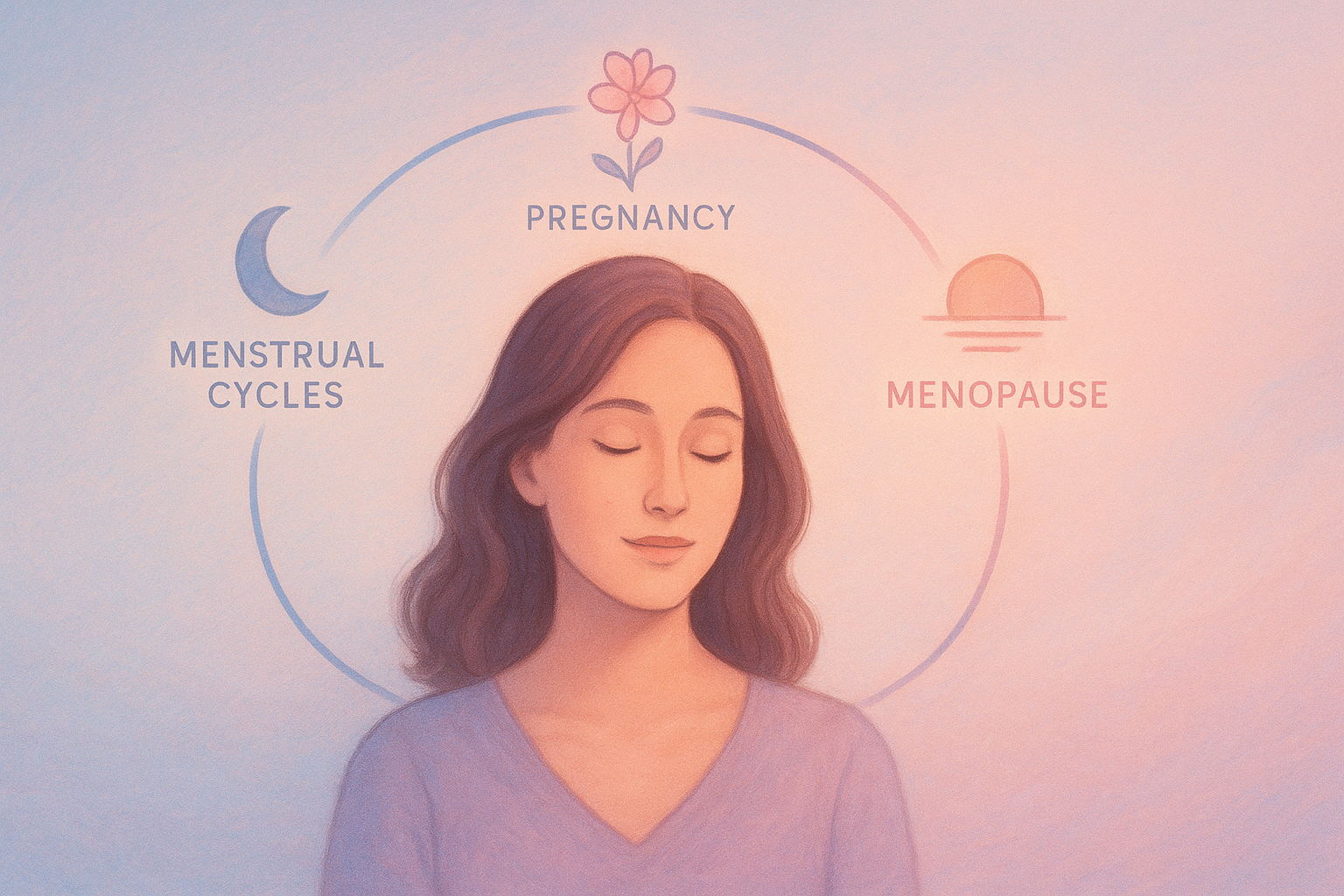
Women are particularly vulnerable to hormonal changes due to menstrual cycles, pregnancy, and menopause. Estrogen and progesterone fluctuations can lead to premenstrual syndrome (PMS) and premenstrual dysphoric disorder (PMDD), both of which can significantly impact mental health. During pregnancy and postpartum, hormonal shifts can contribute to mood disorders like postpartum depression. Recognizing these patterns can help in seeking timely help and support.
Hormonal Changes Across Different Life Stages
Hormonal changes are a natural part of life, occurring during puberty, adulthood, and aging. Each stage brings its own set of challenges. Adolescents may experience mood swings due to puberty, while adults may face stress-related hormone imbalances. As people age, decreased hormone production can lead to mood alterations and cognitive decline. Being aware of these changes helps in managing mental health proactively.
Coping Strategies and Treatment Options
Managing the impact of hormones on mental health involves a multifaceted approach. Lifestyle changes, such as a balanced diet, regular exercise, and stress management techniques, can help stabilize hormones. Medical treatments, including hormone replacement therapy and psychiatric medications, may be necessary for some individuals. Additionally, therapy and support groups provide emotional support and coping mechanisms, promoting overall mental well-being.
Conclusion
The interplay between hormones and mental health is complex but crucial for understanding mood and behavior changes. Hormonal imbalances can significantly impact mental health, but with proper awareness, diagnosis, and treatment, individuals can lead balanced and fulfilling lives. Paying attention to your body’s signals and seeking professional help when needed is essential for maintaining mental health.
FAQs
Q1: Can hormonal imbalances cause anxiety?
A1: Yes, hormonal imbalances, particularly involving cortisol and thyroid hormones, can lead to increased anxiety levels.
Q2: How can I tell if my mental health issues are hormone-related?
A2: Symptoms like sudden mood swings, unexplained weight changes, and fatigue might indicate hormonal issues. Consulting a healthcare professional for tests is advisable.
Q3: Are there natural ways to balance hormones?
A3: Yes, maintaining a healthy lifestyle with a balanced diet, regular exercise, adequate sleep, and stress management can help naturally balance hormones.
Q4: Do men experience hormone-related mental health issues?
A4: Absolutely. While often discussed in the context of women, men can also experience mental health issues due to hormonal changes, particularly involving testosterone.
Q5: How effective is hormone replacement therapy (HRT) for mental health?
A5: HRT can be effective for some individuals, especially those experiencing severe symptoms due to menopause or hormonal imbalances. However, it should be discussed thoroughly with a healthcare provider.