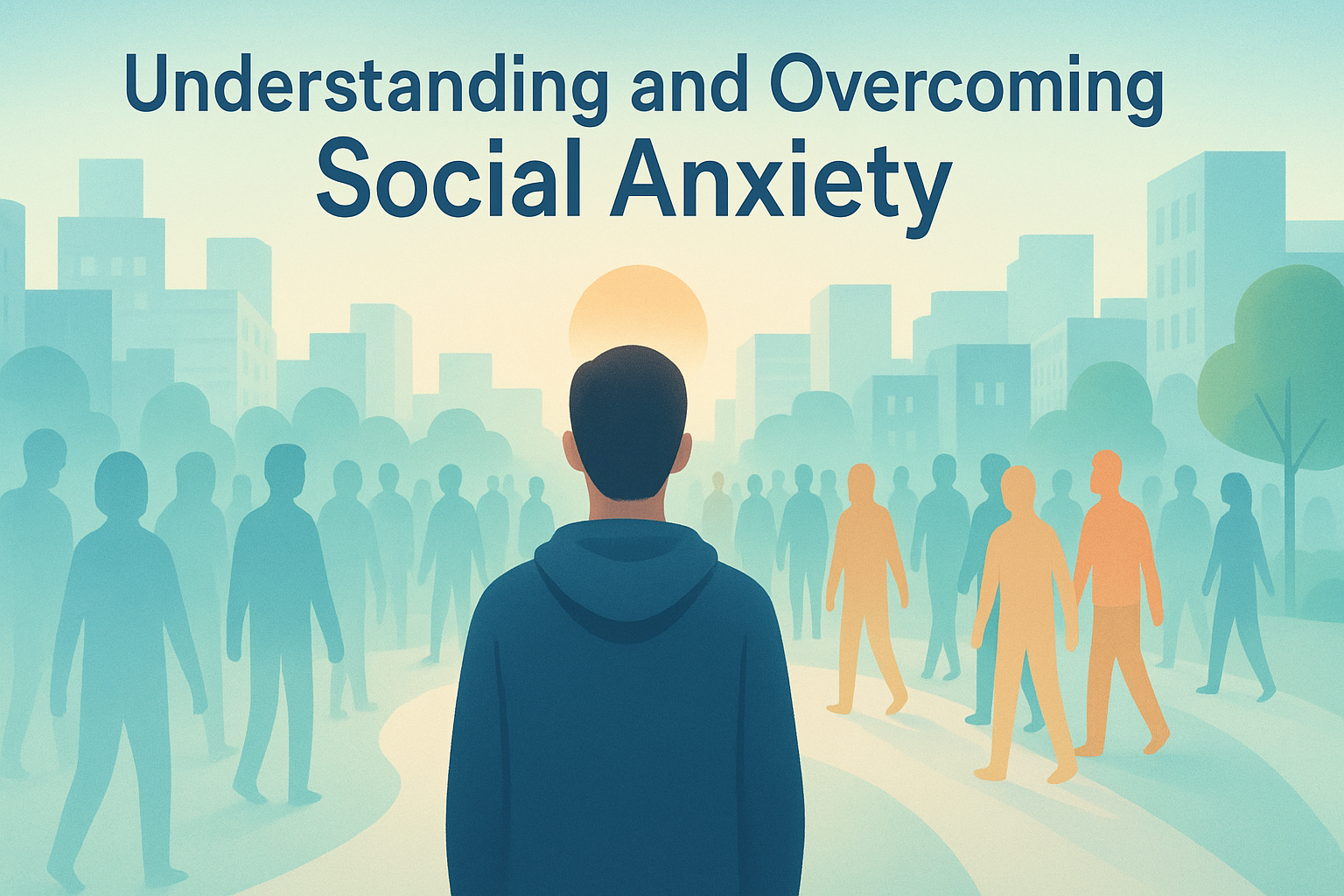
Social anxiety is more common than you might think, affecting millions of people worldwide. If you’ve ever felt a wave of nervousness just thinking about social situations, you’re not alone. In this blog post, we’ll dive into what social anxiety is, its causes, and most importantly, how you can overcome it to lead a more fulfilling life.
Table of Contents
4. Strategies to Overcome Social Anxiety
5. When to Seek Professional Help
6. Conclusion
7. FAQs
What is Social Anxiety?
Social anxiety is a mental health condition where an individual experiences intense fear or anxiety in social situations. This fear is often rooted in the fear of being judged, embarrassed, or scrutinized by others. It’s more than just shyness; it’s a condition that can profoundly impact daily life, making seemingly simple interactions feel daunting.
Symptoms of Social Anxiety
Recognizing the symptoms of social anxiety is the first step in managing it. Common symptoms include:
– Excessive worry about upcoming social events.
– Fear of being judged or humiliated.
– Avoidance of social situations.
– Physical symptoms like sweating, trembling, or a racing heart.
– Overanalyzing social interactions post-event.
Causes of Social Anxiety
The causes of social anxiety can vary, often involving a combination of genetic, environmental, and psychological factors. Some key contributors include:
– Genetics: A family history of anxiety disorders can increase the likelihood of developing social anxiety.
– Environmental Factors: Negative experiences, such as bullying or humiliation, can trigger social anxiety.
– Brain Structure: An overactive amygdala, the part of the brain that controls fear response, can contribute to heightened anxiety levels.
Strategies to Overcome Social Anxiety
Overcoming social anxiety is a journey, and it’s important to remember that progress can be gradual. Here are some strategies that can help:
Practice Deep Breathing
Learning to control your breathing can reduce anxiety symptoms. Try inhaling deeply through your nose, holding for a few seconds, and then exhaling slowly through your mouth.
Challenge Negative Thoughts
Identify and challenge the negative thoughts that contribute to your anxiety. Replace them with positive, realistic statements.
Gradual Exposure
Expose yourself to social situations gradually. Start small and slowly work your way up to more challenging scenarios. Celebrate small victories to build confidence over time.
Mindfulness and Meditation
Practicing mindfulness can help you stay grounded in the present moment, reducing anxiety. Meditation techniques can also promote relaxation and mental clarity.
Seek Support
Talk to friends or family about your struggles, or consider joining a support group where you can connect with others who understand what you’re going through.
When to Seek Professional Help
If social anxiety is severely impacting your quality of life, consider seeking professional help. Therapies such as Cognitive Behavioral Therapy (CBT) have proven effective in treating social anxiety. A mental health professional can also evaluate if medication might be beneficial in managing symptoms.
Conclusion
Social anxiety is a challenging condition, but with the right strategies and support, it can be managed effectively. Remember, you’re not alone, and taking small steps towards overcoming your fears can lead to significant improvements in your social interactions and overall well-being.
FAQs
What is the main difference between shyness and social anxiety?
While shyness is a personality trait that causes discomfort in social settings, social anxiety is a mental health condition characterized by intense fear and avoidance of social situations.
Can social anxiety be cured?
While there is no “cure” for social anxiety, it can be effectively managed with therapy, medication, and self-help strategies, allowing individuals to live fulfilling lives.
Are there any lifestyle changes that can help with social anxiety?
Yes, maintaining a healthy lifestyle can support anxiety management. Regular exercise, a balanced diet, adequate sleep, and limiting caffeine and alcohol can have positive effects on anxiety levels.