The Benefits of Nature Therapy for Stress Reduction
In our fast-paced world, stress has become an almost unavoidable part of daily life. However, an ancient remedy is making a comeback in modern wellness circles—nature therapy. This holistic approach to stress reduction is not just a fleeting trend. It’s backed by science and deeply rooted in our natural connection to the Earth. Let’s explore how immersing ourselves in nature can significantly enhance our well-being.
Table of Contents
1. Introduction to Nature Therapy
2. How Nature Therapy Works
3. Scientific Evidence Supporting Nature Therapy
4. Practical Ways to Incorporate Nature Therapy
5. Real-Life Benefits of Nature Therapy
6. Conclusion
7. FAQs
Introduction to Nature Therapy
Nature therapy, also known as ecotherapy, refers to a range of techniques or treatments that utilize nature to improve physical and mental well-being. It includes activities like forest bathing, gardening, or simply spending time in green spaces. The underlying concept is simple: by engaging with nature, we can foster a sense of peace and balance that counteracts the stresses of modern life.
How Nature Therapy Works
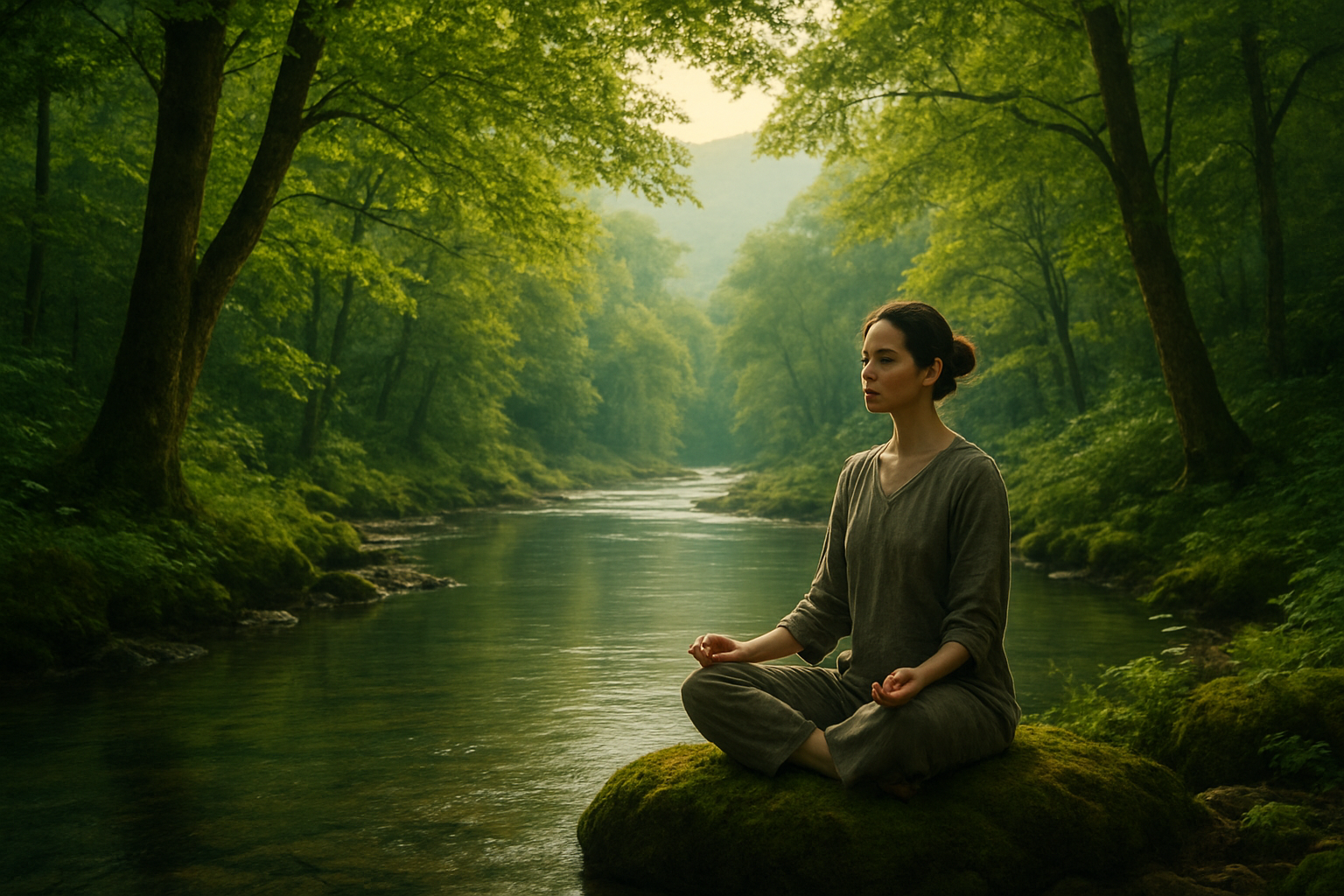
The magic of nature therapy lies in its ability to engage all our senses. When we step into a forest, our bodies instinctively begin to calm down. The rustling leaves, the chirping birds, and the earthy scent of the soil create a serene environment that allows our minds to wander and relax. This sensory experience is a natural antidote to the constant bombardment of digital stimuli.
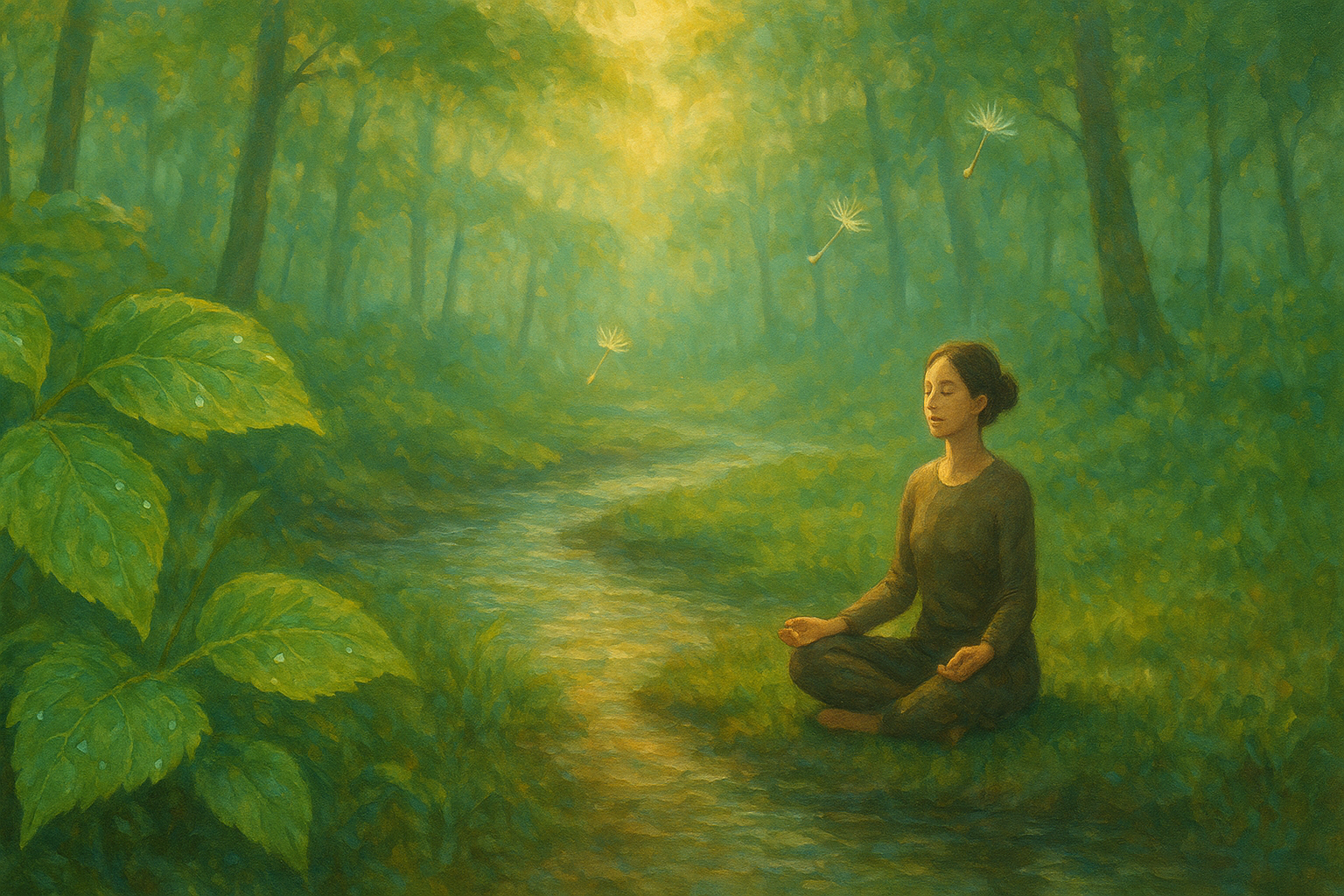
Moreover, nature therapy encourages mindfulness. As we focus on the present moment—whether it’s the texture of a leaf or the trickle of a stream—we can distance ourselves from anxious thoughts and mental clutter. This mindfulness aspect is crucial for reducing stress levels and promoting mental clarity.
Scientific Evidence Supporting Nature Therapy
Numerous studies have demonstrated the positive effects of nature therapy on mental health. For instance, research published in the journal “Environmental Health Perspectives” found that individuals who spent time in nature experienced lower levels of cortisol, the stress hormone, compared to those who stayed indoors.
Further studies have shown that spending time in green spaces can reduce symptoms of anxiety and depression. A study conducted by Stanford University revealed that a 90-minute walk in a natural setting led to decreased activity in the part of the brain associated with depression.
Practical Ways to Incorporate Nature Therapy
Integrating nature therapy into your routine doesn’t require drastic changes. Here are some simple yet effective ways to harness the benefits of nature:
Forest Bathing
Inspired by the Japanese practice of Shinrin-yoku, forest bathing involves immersing oneself in a forest environment. This doesn’t mean literally bathing but rather taking in the atmosphere of the forest. Try a leisurely walk in a nearby park or reserve, focusing on the sights, sounds, and smells around you.
Gardening
Even if you don’t have a green thumb, gardening can be a therapeutic activity. The act of nurturing plants and watching them grow can provide a sense of accomplishment and peace.
Nature Walks
Regular walks in nature, whether in a city park or a hiking trail, can do wonders for your mental health. Set aside time each week to disconnect from devices and reconnect with nature.
Real-Life Benefits of Nature Therapy
People who regularly engage in nature therapy report numerous benefits. Personally, I find that my mood lifts and my mind feels clearer after a simple walk in the park. Friends and clients have shared similar experiences, noting improvements in their mood, sleep patterns, and overall outlook on life.
Nature therapy can also enhance creativity. By stepping away from the usual confines of an office or home, we open ourselves to new ideas and perspectives. This creative boost can be particularly beneficial for problem-solving and innovation.
Conclusion
Incorporating nature therapy into our lives can be a powerful tool for reducing stress and improving overall well-being. Whether you choose to take a quiet walk in the woods, start a small garden, or simply enjoy the view from your window, the benefits of connecting with nature are profound and far-reaching. As we rediscover the healing power of the natural world, we find ourselves more grounded, peaceful, and resilient.
FAQs
Q: How often should I engage in nature therapy to see benefits?
A: While even short visits to natural settings can be beneficial, aim for at least 30 minutes to an hour a few times a week for optimal results.
Q: Do I need to travel far to experience nature therapy?
A: Not at all! Nature therapy can be practiced in local parks, gardens, and even your backyard. The key is to engage with nature regularly.
Q: Can nature therapy be combined with other forms of therapy?
A: Yes, nature therapy complements other therapeutic practices well and can enhance their effectiveness, especially in reducing stress and anxiety.