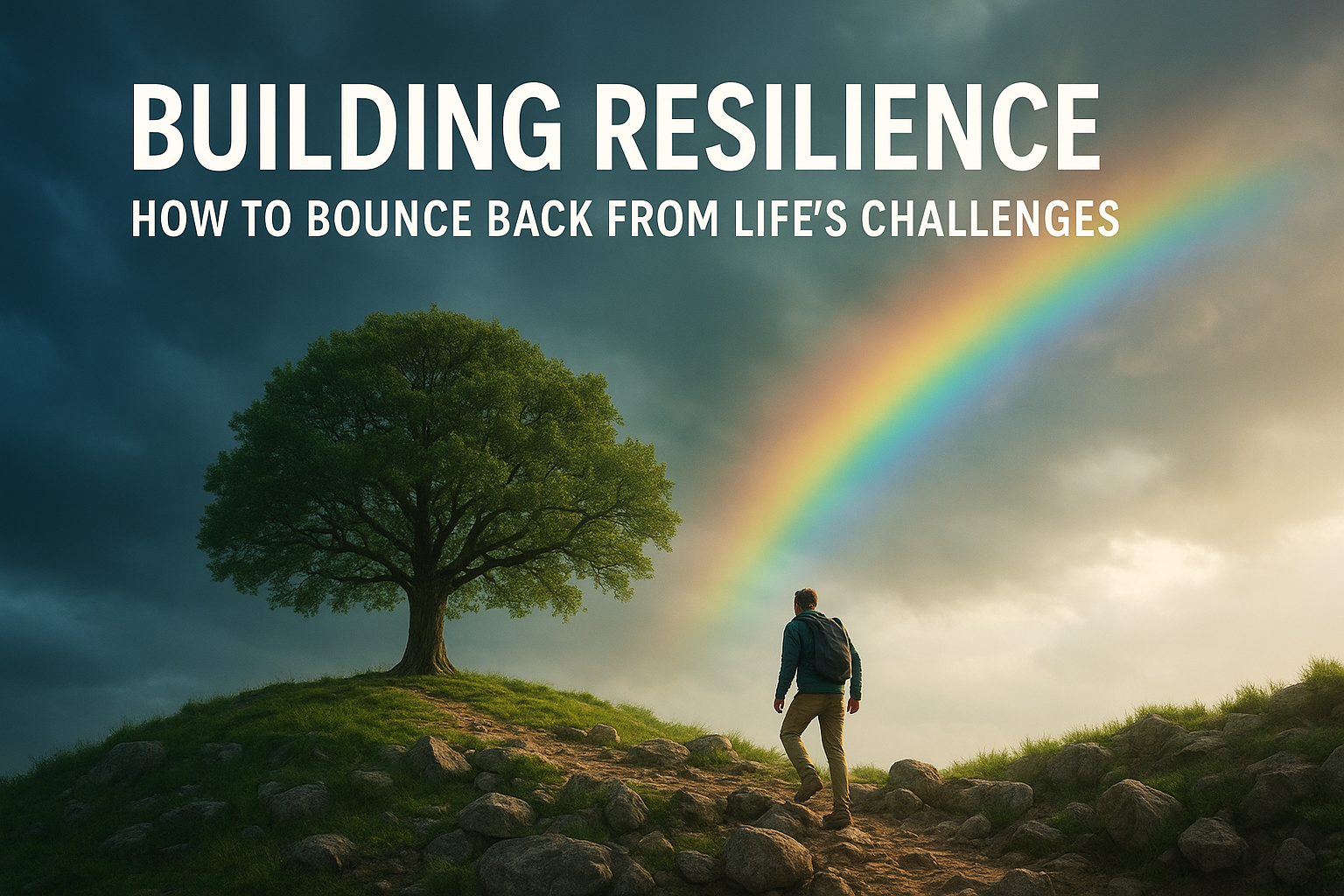
Building Resilience: How to Bounce Back from Life’s Challenges
Life is an unpredictable journey filled with ups and downs. While the highs are exhilarating, the lows can sometimes feel overwhelming. However, building resilience can help us navigate through life’s challenges with greater ease and emerge stronger. In this blog post, we’ll explore what resilience is, why it’s important, and how you can cultivate it in your own life.
Table of Contents
1. Introduction to Resilience
2. The Importance of Resilience
3. Strategies for Building Resilience
4. The Role of Mindset in Resilience
5. Conclusion
6. FAQs
Introduction to Resilience
Resilience is often described as the ability to bounce back from adversity. Whether it’s a personal setback, a professional challenge, or a global crisis, resilience enables us to adapt, recover, and continue moving forward. But resilience is more than just enduring tough times; it’s about growing through them and coming out stronger on the other side.
The Importance of Resilience
In today’s fast-paced world, resilience is more important than ever. It helps us manage stress, maintain a positive outlook, and remain focused on our goals despite obstacles. Resilient individuals are often more adaptable, able to handle change with grace, and better equipped to face future challenges. Moreover, resilience is linked to improved mental health, greater life satisfaction, and overall well-being.
Strategies for Building Resilience
1. Cultivate a Support Network
Connecting with friends, family, and community can provide much-needed support during difficult times. A strong support network offers emotional comfort, practical assistance, and a sense of belonging, all of which are vital for resilience.
2. Practice Self-Care
Taking care of your physical and mental health is crucial for resilience. Regular exercise, a balanced diet, sufficient sleep, and mindfulness practices like meditation or yoga can help boost your resilience by enhancing your overall health and well-being.
3. Develop Problem-Solving Skills
Resilient people are often effective problem-solvers. By approaching challenges with a solution-oriented mindset, you can break down problems into manageable parts and work towards resolving them, rather than feeling overwhelmed.
4. Embrace Change
Change is a constant in life, and embracing it can help build resilience. Instead of resisting change, try to see it as an opportunity for growth and learning. Flexibility and adaptability are key components of resilience.
5. Set Realistic Goals
Setting achievable goals can provide direction and purpose, helping you stay focused even during tough times. Break larger goals into smaller, actionable steps to make progress more manageable and less daunting.
The Role of Mindset in Resilience
Your mindset plays a significant role in how resilient you are. A growth mindset—believing that abilities and intelligence can be developed through hard work and dedication—can enhance resilience. This perspective encourages you to view challenges as opportunities to learn and grow, rather than as insurmountable obstacles.
Additionally, practicing gratitude can shift your focus from what’s going wrong to what’s going right, fostering a more optimistic outlook. By recognizing and appreciating the positives in your life, you can build a more resilient and hopeful mindset.
Conclusion
Building resilience is a continuous journey that requires effort and commitment. By cultivating a supportive network, practicing self-care, developing problem-solving skills, embracing change, and nurturing a growth mindset, you can enhance your resilience and better navigate life’s challenges. Remember, resilience is not about avoiding difficulties but about facing them with courage and determination.
FAQs
What is resilience?
Resilience is the ability to recover from setbacks, adapt to change, and keep going in the face of adversity. It’s about bouncing back stronger and wiser from life’s challenges.
Can resilience be learned?
Yes, resilience can be developed over time through practice and effort. By adopting certain strategies and mindsets, anyone can enhance their resilience.
Why is resilience important?
Resilience is important because it helps us manage stress, adapt to change, and maintain a positive outlook. It contributes to improved mental health, greater life satisfaction, and overall well-being.
By focusing on building resilience, you can navigate life’s challenges more effectively and emerge stronger, ready to face whatever comes your way.