by: Shooshan Danagoulian Associate Professor of Economics, Wayne State University, The Conversation
(The Conversation) – Seasonal allergies – triggered by pollen – appear to make deaths by suicide more likely. Our findings, published in the Journal of Health Economics, show that minor physical health conditions like mild seasonal allergies, previously thought not to be an immediate trigger of suicide, are indeed a risk factor.
To evaluate the link between seasonal allergies and suicide, my co-authors and I combined daily pollen measurements with daily suicide counts across 34 U.S. metropolitan areas.
Because both pollen and suicide are sensitive to weather conditions, we carefully accounted for temperature, rainfall and wind. We also controlled for differences in local climate and plant life, since pollen levels vary by region, and for seasonal averages that might otherwise obscure results. This allowed us to compare suicide counts on days with unexpectedly high pollen to days with little or none in the same county.
The results were striking. Relative to days with no or low levels of pollen, we found that deaths by suicide rose by 5.5% when pollen levels are moderate and 7.4% when levels are high. The increase was even larger among people with a known history of mental health conditions or treatment. We also showed that on high-pollen days, residents of affected areas experience more depressive symptoms and exhaustion.
Our analysis suggests that allergies exacerbate existing vulnerabilities, pushing some people toward crisis. We suspect that sleep disruption is the link between allergies and suicide rates.
Symptoms include sneezing, congestion, itchy eyes and scratchy throat. Most people experiencing these symptoms feel sluggish during the day and sleep poorly at night. Allergy sufferers might not realize, however, that these symptoms reduce alertness and cognitive functioning – some of the factors that can worsen mental health and increase vulnerability to suicidal thoughts and behaviors.
Suicide rates have been growing steadily in the past two decades, by 37% between 2000 and 2018. According to the Centers for Disease Control and Prevention, more than 49,000 Americans died by suicide in 2022, and over 616,000 visited emergency departments for self-harm injuries.
That means more people will experience stronger allergy symptoms, with ripple effects not only for physical health but also for sleep, mood and mental well-being.
#James Donaldson notes: Welcome to the “next chapter” of my life… being a voice and an advocate for #mentalhealthawarenessandsuicideprevention, especially pertaining to our younger generation of students and student-athletes. Getting men to speak up and reach out for help and assistance is one of my passions. Us men need to not suffer in silence or drown our sorrows in alcohol, hang out at bars and strip joints, or get involved with drug use. Having gone through a recent bout of #depression and #suicidalthoughts myself, I realize now, that I can make a huge difference in the lives of so many by sharing my story, and by sharing various resources I come across as I work in this space.#http://bit.ly/JamesMentalHealthArticle Find out more about the work I do on my 501c3 non-profit foundation website www.yourgiftoflife.org Order your copy of James Donaldson’s latest book, #CelebratingYourGiftofLife: From The Verge of Suicide to a Life of Purpose and Joy
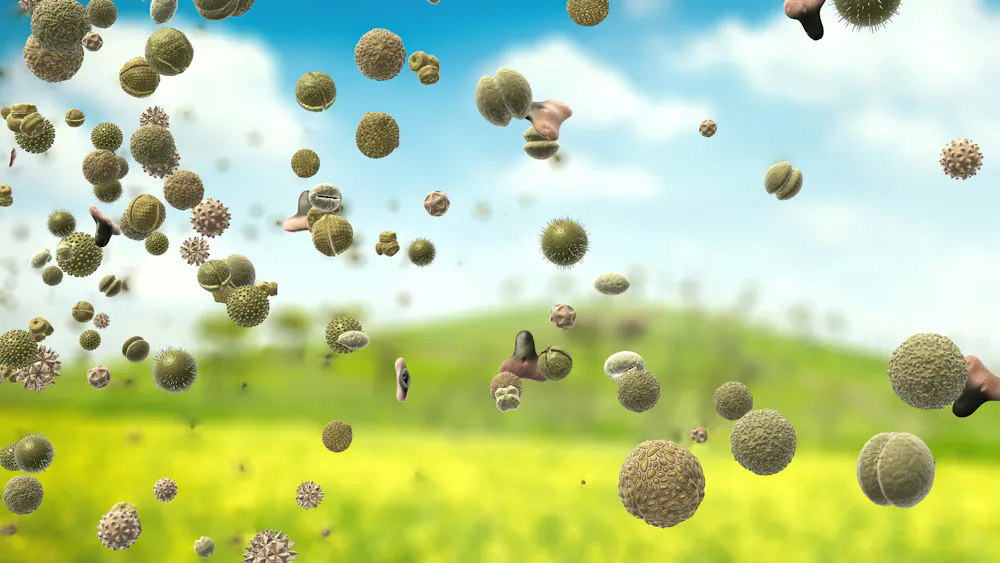
Higher temperatures from climate change contribute to more pollen in the air for longer periods of time during pollen seasons
What we still don’t know
Despite the scale of the problem, there are no national systems in the U.S. to consistently measure and communicate pollen levels. Most communities lack reliable forecasts and alert systems that would allow vulnerable people to take precautions. This gap limits both prevention and research.
More broadly, people should be aware that during peak allergy season, reduced alertness, sleep disruptions and mood fluctuations may place an increased burden on their mental health, in addition to the allergy symptoms.
In terms of policy, improving pollen monitoring and public communication could help people anticipate high-risk days. Such infrastructure would also support further research, particularly in rural areas where data is currently lacking. Our next step, supported by the American Foundation for Suicide Prevention, is to examine the impact of pollen on rural communities.