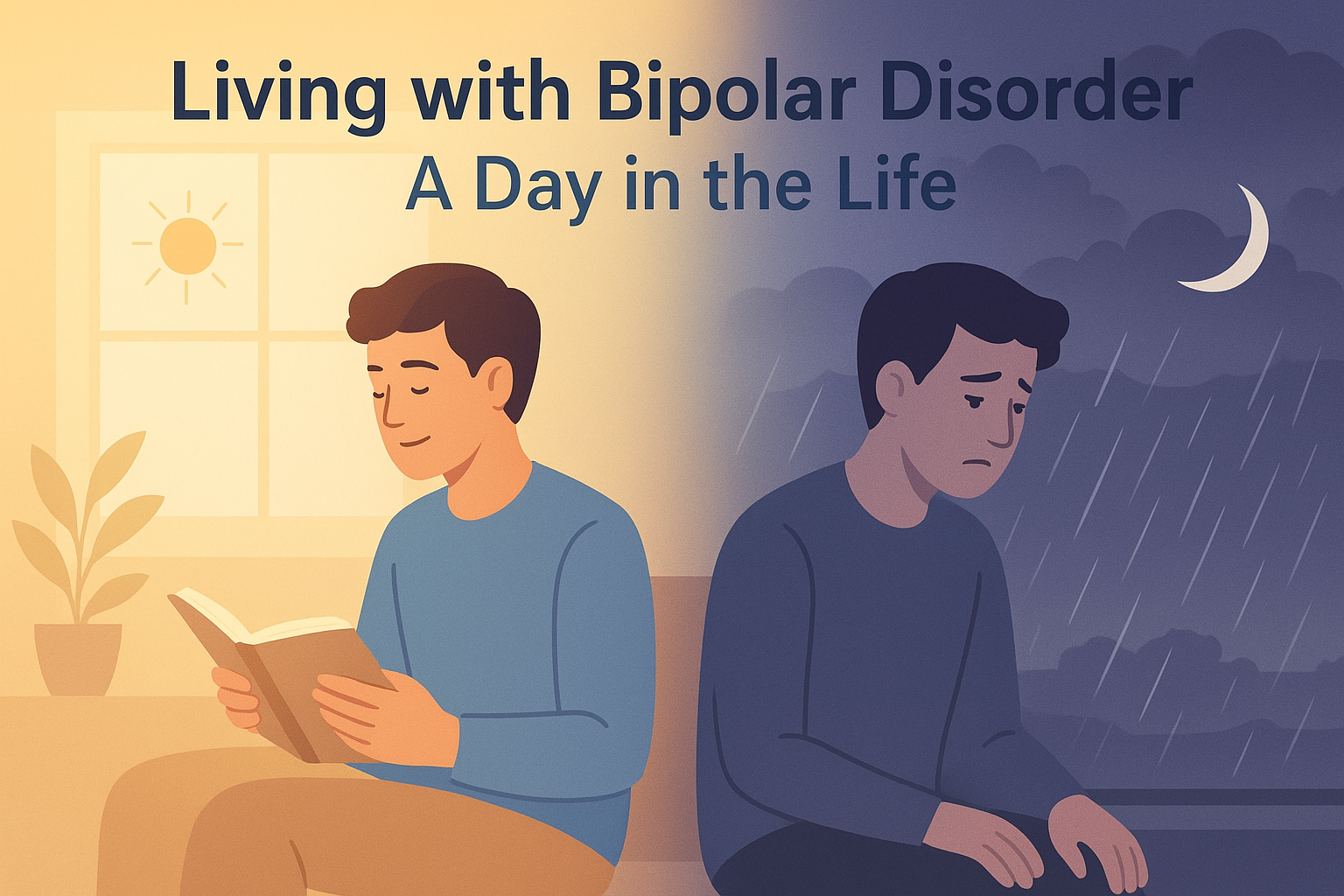
Living with Bipolar Disorder: A Day in the Life
Bipolar disorder, a mental health condition characterized by extreme mood swings, impacts millions of people worldwide. Understanding the daily experiences of those living with this condition is crucial for fostering empathy, providing support, and promoting awareness. In this blog post, we’ll delve into the daily life of someone managing bipolar disorder, offering insights into their challenges and triumphs.
Table of Contents
1. Morning: Starting the Day
2. Afternoon: Navigating Mood Swings
3. Evening: Finding Balance
4. Night: Preparing for Tomorrow
5. Conclusion
6. FAQs

Morning: Starting the Day
Mornings can be unpredictable for someone living with bipolar disorder. The start of the day may vary significantly depending on the phase of their mood cycle. During a depressive phase, getting out of bed might feel like an insurmountable task. The weight of fatigue and sadness can make even the simplest activities, like brushing teeth or preparing breakfast, seem overwhelming.
In contrast, during a manic or hypomanic phase, mornings might feel electric. Bursting with energy, ideas, and enthusiasm, individuals may find themselves racing through tasks, sometimes forgetting to eat or skipping necessary steps in their routine. It’s a time of hyper-productivity, but it can also lead to burnout if not managed carefully.
Afternoon: Navigating Mood Swings
The afternoon can present its own set of challenges. Mood swings are a hallmark of bipolar disorder, and they can occur unpredictably. Someone might start the afternoon feeling on top of the world, only to feel irritable or anxious a few hours later.

Managing these shifts often involves a combination of strategies: medication adherence, practicing mindfulness or meditation, and sticking to a routine. Many individuals also find that taking short breaks to breathe deeply or engage in light exercise helps in stabilizing their mood.
Evening: Finding Balance
Evenings are a time for reflection and winding down. For someone with bipolar disorder, this can mean reflecting on the day’s emotional highs and lows. It’s essential to engage in activities that promote relaxation and grounding, such as reading, journaling, or spending time with loved ones.
Balancing social interactions with personal time is crucial. Socializing can be uplifting, but it can also be draining, especially if one is in a less stable mood. Listening to one’s body and mind, and knowing when to take a step back, is key to maintaining emotional equilibrium.
Night: Preparing for Tomorrow
As the day winds down, preparing for a restful night is paramount. Sleep is particularly vital for those with bipolar disorder, as irregular sleep patterns can trigger mood episodes. Establishing a consistent sleep routine can help regulate mood and energy levels.
Many people with bipolar disorder find it helpful to disconnect from screens an hour before bedtime, engaging instead in calming activities such as reading or listening to soft music. Creating a tranquil sleeping environment can aid in achieving restorative sleep, thus setting a positive tone for the following day.
Conclusion
Living with bipolar disorder presents unique challenges and requires a tailored approach to daily life. While each person’s experience is different, understanding the common struggles and triumphs can foster empathy and support from friends, family, and the broader community. With the right combination of medication, therapy, lifestyle adjustments, and support, individuals with bipolar disorder can lead fulfilling and balanced lives.
FAQs
What is bipolar disorder?
Bipolar disorder is a mental health condition characterized by extreme mood swings, including emotional highs (mania or hypomania) and lows (depression).
How can someone support a loved one with bipolar disorder?
Supporting someone with bipolar disorder involves being understanding, patient, and encouraging them to seek professional help. It’s also helpful to educate oneself about the condition and maintain open, honest communication.
Can lifestyle changes help manage bipolar disorder?
Yes, lifestyle changes such as maintaining a regular sleep schedule, engaging in regular physical activity, and practicing mindfulness can significantly aid in managing bipolar disorder alongside professional treatment.
Is medication necessary for managing bipolar disorder?
While medication is a crucial component for many individuals in managing bipolar disorder, treatment plans are highly personalized. Some may also benefit from therapy, lifestyle changes, and support groups.