The Connection Between Exercise and Mental Health
In today’s fast-paced world, maintaining mental health is more crucial than ever. While many people focus on traditional forms of therapy and medication, an increasing body of research highlights the profound impact of exercise on mental well-being. This blog post explores the fascinating link between physical activity and mental health, providing insights into how exercise can be a powerful tool for improving our psychological state.
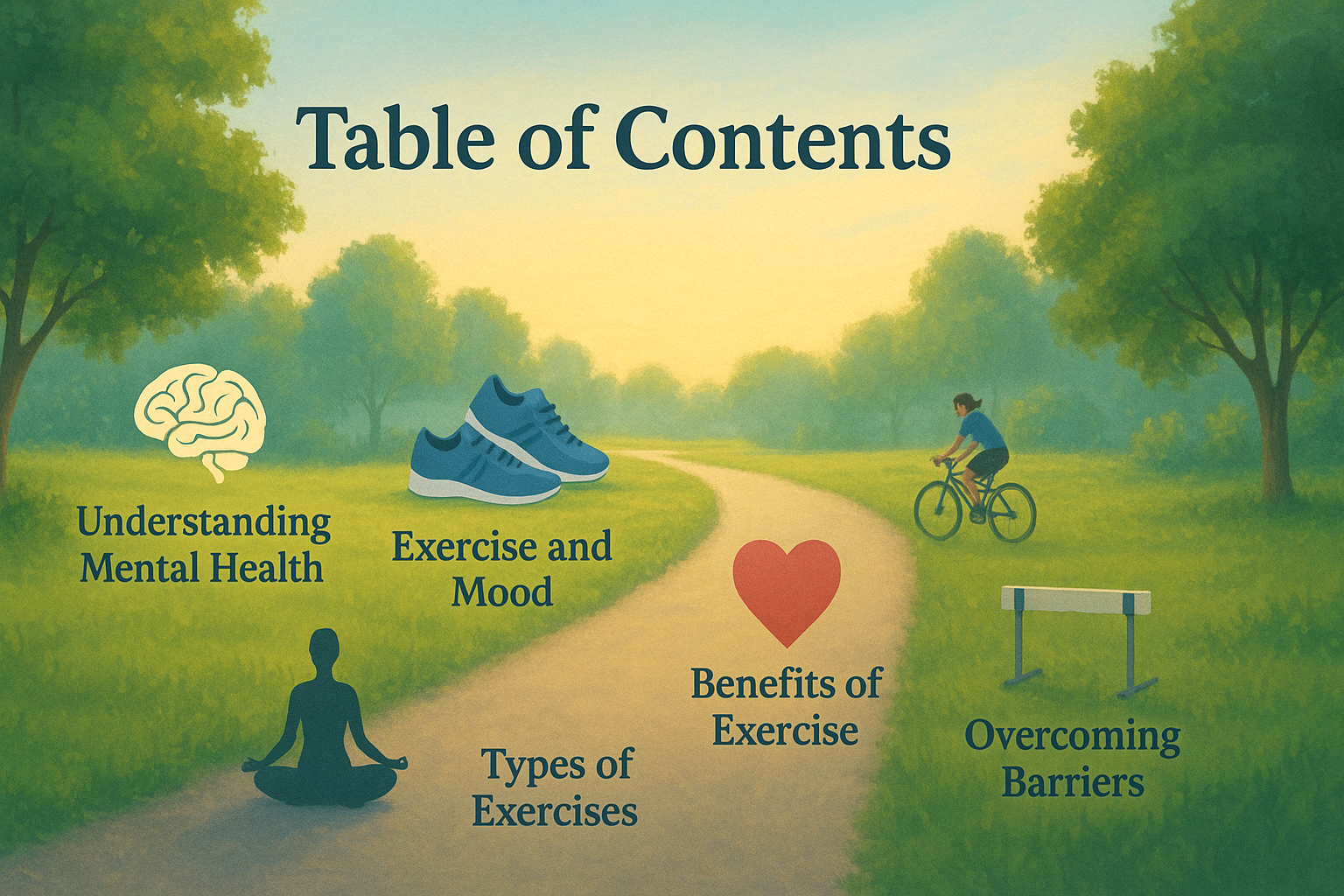
Table of Contents
1. Introduction
2. Understanding Mental Health
3. The Science of Exercise and Mood
4. Benefits of Exercise for Mental Health
5. Types of Exercises That Boost Mental Health
6. Overcoming Barriers to Exercise
7. Conclusion
8. FAQs

Understanding Mental Health
Mental health encompasses emotional, psychological, and social well-being. It affects how we think, feel, and act and determines how we handle stress, relate to others, and make choices. With mental health disorders on the rise globally, finding effective and accessible ways to manage mental health is vital.
The Science of Exercise and Mood
Exercise is known to induce a multitude of biochemical processes in our bodies. When we engage in physical activity, our brains release endorphins, often referred to as “feel-good” hormones. These natural mood lifters can help alleviate feelings of depression and anxiety.
Moreover, regular exercise increases the production of neurotransmitters like serotonin and norepinephrine, which play crucial roles in regulating mood. It also encourages the growth of new brain cells and connections, particularly in parts of the brain responsible for memory and learning.
Benefits of Exercise for Mental Health
Incorporating regular exercise into your routine can lead to profound improvements in mental health. Here are some key benefits:
1. Reduces Symptoms of Depression and Anxiety
Several studies have shown that exercise can be as effective as medication for some individuals dealing with depression and anxiety. The act of focusing on physical activity can help distract the mind from negative thoughts and break the cycle of worry.
2. Enhances Self-Esteem and Cognitive Function
Achieving fitness goals, no matter how small, can boost self-esteem and foster a sense of accomplishment. Additionally, exercise improves brain function and can help sharpen memory and thinking skills.
3. Provides Stress Relief
Physical activity increases the production of norepinephrine, a chemical that moderates the brain’s response to stress. Regular workouts can help you manage stress more effectively, leading to a more relaxed state of mind.
4. Improves Sleep
Exercise can help regulate sleep patterns, which is crucial for mental health. Quality sleep enhances mood and cognitive function, making it easier to cope with daily challenges.
Types of Exercises That Boost Mental Health
Not all exercises are created equal when it comes to mental health benefits. Here are some activities that can enhance your psychological well-being:
1. Aerobic Exercises
Activities like jogging, swimming, and cycling increase heart rate and promote endorphin release, which can alleviate symptoms of depression and anxiety.
2. Yoga and Tai Chi
These practices combine physical movement, meditation, and breathing exercises, providing a holistic approach to mental health. They are particularly effective in reducing stress and promoting relaxation.
3. Strength Training
Engaging in strength training can improve self-esteem and body image, leading to better mental health outcomes.
4. Team Sports
Participating in team sports can improve social connections, which are vital for mental well-being. The camaraderie and support from teammates can enhance mood and reduce feelings of isolation.
Overcoming Barriers to Exercise
Despite the benefits, many people find it challenging to start or maintain a regular exercise routine. Here are some tips to overcome common barriers:
1. Lack of Time
Make exercise a priority by scheduling it into your day, even if it’s just a 10-minute walk during lunch.
2. Lack of Motivation
Find activities that you enjoy and set realistic goals. Tracking progress can also provide motivation.
3. Physical Limitations
Consult with a healthcare professional to find suitable exercises that accommodate any physical limitations.
Conclusion
Exercise is a powerful tool for enhancing mental health. By incorporating physical activity into your daily routine, you can experience significant improvements in mood, stress management, and overall well-being. Whether it’s a brisk walk, a yoga session, or a game of soccer, the key is to stay active and find joy in movement. Remember, the journey to better mental health starts with a single step.
FAQs
1. How quickly can exercise impact mental health?
Some people may experience mood improvements immediately after exercise, while others may notice changes after a few weeks of regular activity.
2. How much exercise is recommended for mental health benefits?
The World Health Organization recommends at least 150 minutes of moderate-intensity aerobic exercise per week for adults.
3. Can exercise replace medication for mental health conditions?
While exercise can be a complementary treatment, it should not replace medication or therapy without consulting a healthcare professional.