The Link Between Insomnia and Mental Health
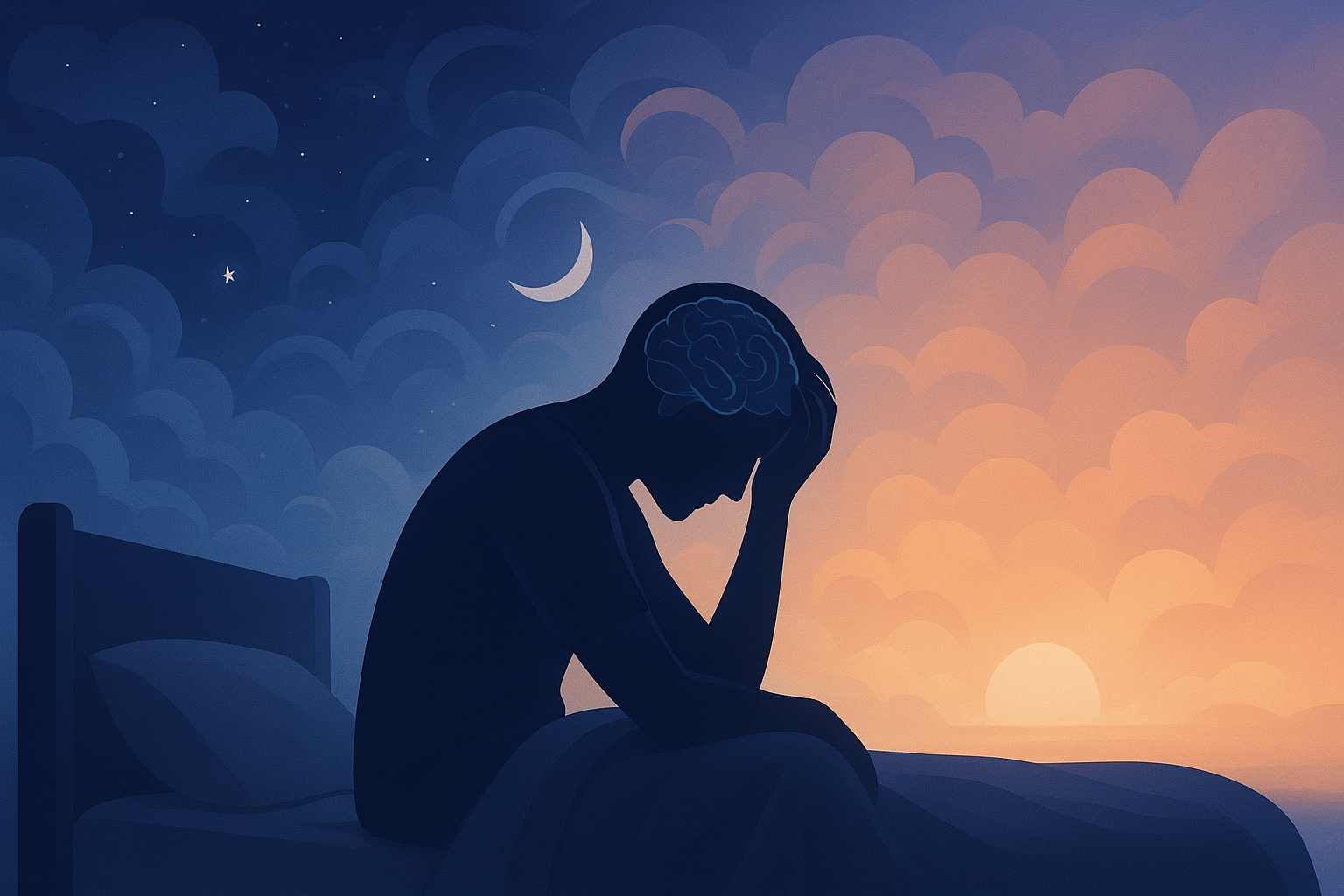
In our fast-paced world, sleep often takes a backseat to our daily responsibilities. However, the importance of sleep for both physical and mental health cannot be overstated. Insomnia, a condition characterized by persistent difficulties in falling or staying asleep, has been closely linked to various mental health issues. Understanding this connection is crucial for improving overall well-being. In this blog post, we’ll delve into the intricate relationship between insomnia and mental health, exploring its implications and offering strategies for better sleep.
Table of Contents
1. Introduction
2. Understanding Insomnia
3. The Impact of Insomnia on Mental Health
4. Common Mental Health Disorders Linked to Insomnia
5. Strategies for Managing Insomnia
6. Conclusion
7. FAQs
Understanding Insomnia
Insomnia is more than just a restless night here and there; it’s a chronic condition that can significantly affect daily life. It can manifest as difficulty falling asleep, waking up frequently during the night, or waking up too early and being unable to return to sleep. The effects of insomnia extend beyond feeling tired. It can lead to impaired cognitive function, mood disturbances, and a decreased quality of life.
The Impact of Insomnia on Mental Health
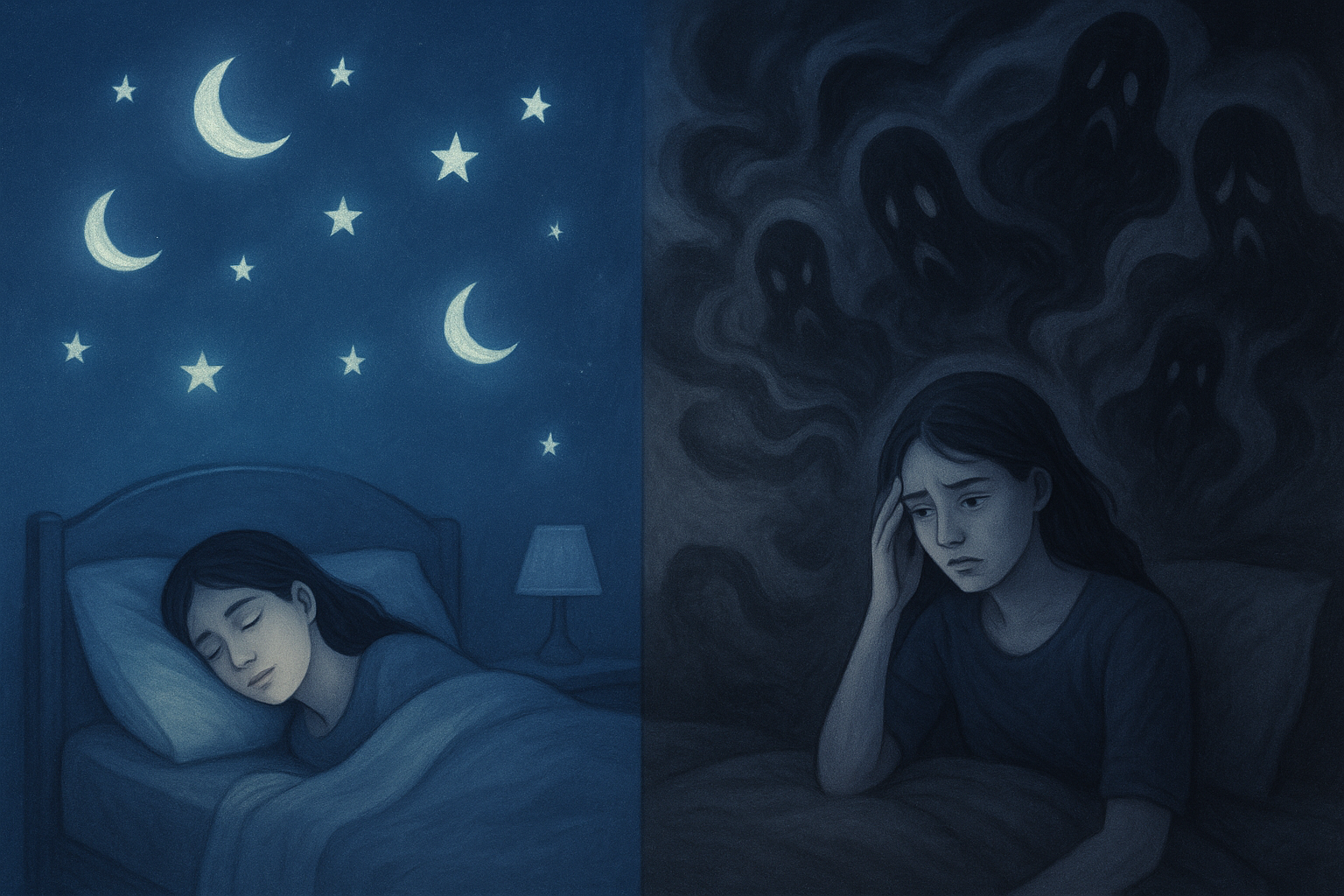
The relationship between sleep and mental health is bidirectional, meaning that poor sleep can lead to mental health issues, and mental health issues can lead to poor sleep. Insomnia can exacerbate symptoms of anxiety and depression, and in turn, these conditions can make it harder to sleep.
When you’re sleep-deprived, your body produces increased levels of stress hormones like cortisol, which can trigger or worsen anxiety and depression. Sleep is also crucial for processing emotions and memories, so a lack of sleep can lead to emotional dysregulation and increased irritability.
Common Mental Health Disorders Linked to Insomnia
Several mental health disorders have been closely linked to insomnia. Understanding these connections can help in addressing both sleep issues and mental health conditions effectively.
Anxiety Disorders
Anxiety and insomnia often go hand in hand. Racing thoughts and excessive worry can prevent relaxation needed for sleep. In turn, lack of sleep can heighten anxiety symptoms, creating a vicious cycle.
Depression
Insomnia is a common symptom of depression. Sleep disturbances can contribute to the development of depression and make it harder to recover. Conversely, depression can lead to changes in sleep patterns, further complicating treatment.
Bipolar Disorder
People with bipolar disorder often experience sleep disturbances. During manic phases, there may be a reduced need for sleep, while depressive episodes can lead to hypersomnia or insomnia. Managing sleep can be crucial for stabilizing mood in bipolar disorder.
Strategies for Managing Insomnia
While insomnia can be challenging, there are practical strategies to help manage it effectively:
Create a Sleep-Conducive Environment
Ensure your bedroom is dark, quiet, and cool. Consider using blackout curtains, a white noise machine, or earplugs to eliminate disturbances.
Establish a Consistent Sleep Schedule
Going to bed and waking up at the same time every day can help regulate your body’s internal clock, making it easier to fall asleep and wake up naturally.
Practice Relaxation Techniques
Incorporate techniques such as deep breathing, meditation, or yoga into your routine to help reduce stress and prepare your body for sleep.
Avoid Stimulants and Heavy Meals Before Bed
Caffeine, nicotine, and heavy meals close to bedtime can interfere with sleep. Try to avoid them at least a few hours before you plan to go to bed.
Seek Professional Help
If insomnia persists, it may be helpful to consult a healthcare professional. Cognitive-behavioral therapy for insomnia (CBT-I) has been proven effective for many people.
Conclusion
The connection between insomnia and mental health is a critical area of understanding in improving overall well-being. Recognizing the signs and symptoms of insomnia and its impact on mental health can lead to better management and treatment strategies. By taking proactive steps to address sleep issues, you can enhance your mental health and quality of life.
FAQs
Q: Can insomnia cause long-term mental health problems?
A: Yes, chronic insomnia can contribute to the development or worsening of long-term mental health issues like anxiety and depression.
Q: How does insomnia affect daily functioning?
A: Insomnia can lead to impaired cognitive function, decreased concentration, mood disturbances, and reduced productivity during the day.
Q: Are there natural remedies for insomnia?
A: Yes, natural remedies such as chamomile tea, lavender oil, and valerian root may help improve sleep quality. However, it’s essential to consult with a healthcare professional before trying new supplements.
Q: Is medication necessary for treating insomnia?
A: While medication can be helpful for some individuals, non-drug approaches like cognitive-behavioral therapy and lifestyle changes are often recommended as first-line treatments.