Music Therapy: Using Sound to Heal the Mind
Music has always been a universal language, capable of transcending cultural and linguistic barriers. But did you know that it can also be a powerful tool for healing? Welcome to the world of music therapy, where sound is used not just for entertainment, but as a therapeutic modality to heal the mind and uplift the spirit.
Table of Contents
1. What is Music Therapy?
2. The Science Behind Music Therapy
3. Benefits of Music Therapy
4. Techniques Used in Music Therapy
5. Real-Life Applications of Music Therapy
6. Conclusion
7. FAQs
What is Music Therapy?
Music therapy is a clinical and evidence-based practice in which music is used to accomplish individualized goals within a therapeutic relationship by a credentialed professional. This practice involves the use of music interventions to help clients improve their physical, emotional, cognitive, and social well-being.
Whether you are dealing with anxiety, depression, or even physical pain, music therapy can offer a non-invasive way to improve your quality of life. It’s not just about listening to music; it’s about actively engaging with it through singing, playing instruments, composing, or even dancing.
The Science Behind Music Therapy
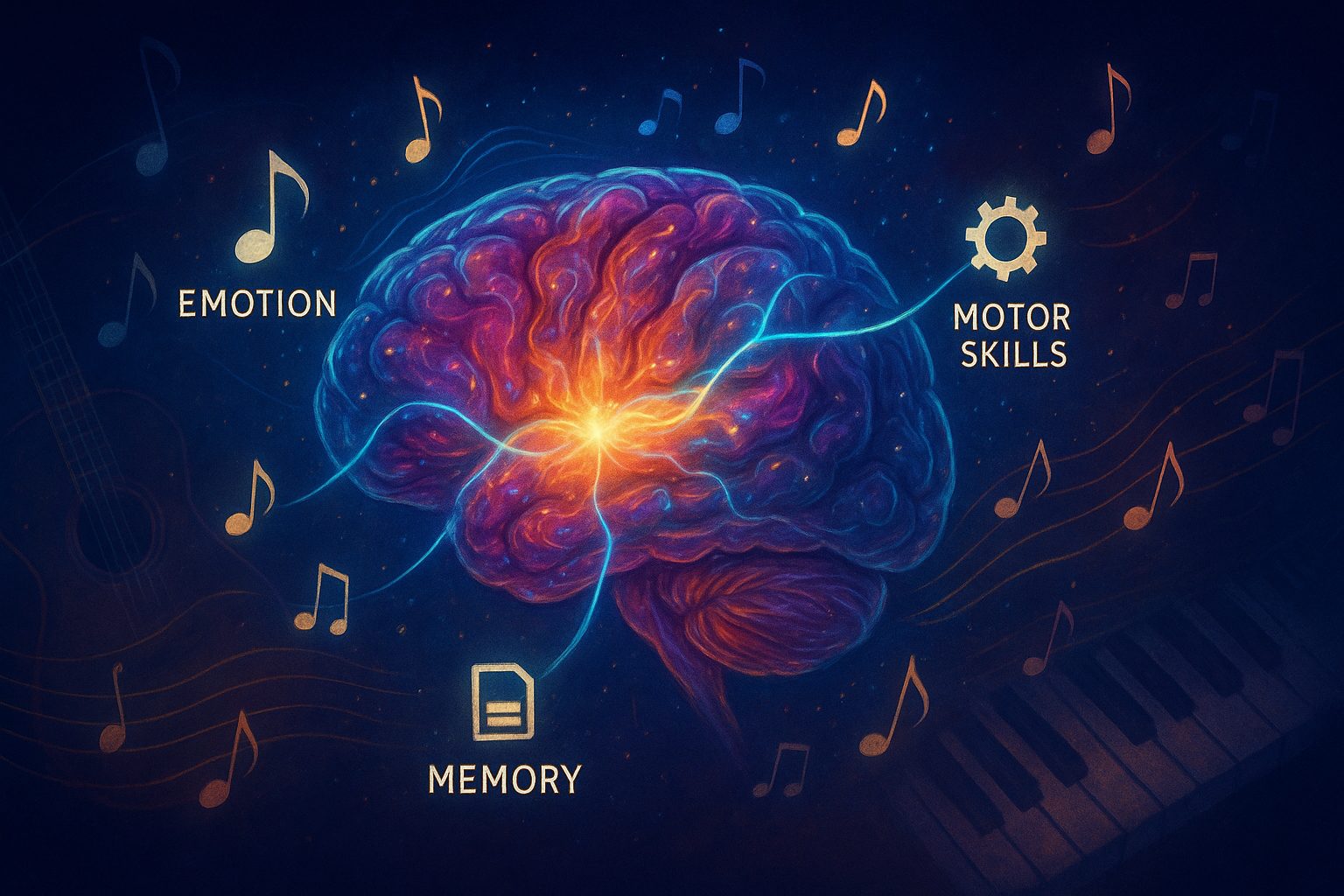
Have you ever wondered why a particular song can make you feel a certain way? The answer lies in the brain. Music stimulates multiple areas of the brain, including those responsible for memory, emotion, and motor skills. Neuroimaging studies have shown that music can activate the brain’s reward centers, releasing dopamine, a neurotransmitter associated with pleasure and motivation.
Research has also demonstrated how music therapy can help in reducing cortisol levels, the hormone responsible for stress, thus promoting relaxation and reducing anxiety. Furthermore, music can enhance neuroplasticity, the brain’s ability to reorganize itself by forming new neural connections, which is particularly beneficial for stroke recovery and developmental disorders.
Benefits of Music Therapy
1. Emotional Release: Music therapy provides a safe space for individuals to express their emotions, whether it’s joy, sadness, or anger, helping them work through complex feelings.
2. Stress Reduction: Listening to calming music can lower stress levels and promote relaxation, making it a useful tool for stress management.
3. Cognitive Improvement: Engaging with music can improve concentration, memory, and problem-solving skills, beneficial for both children and adults.
4. Physical Rehabilitation: For those recovering from physical ailments, music therapy can improve motor skills and coordination through rhythmic exercises.
5. Social Interaction: Group music therapy sessions encourage socialization and can help individuals develop better communication skills.
Techniques Used in Music Therapy
1. Guided Imagery in Music (GIM): This technique involves listening to music while engaging in guided visualization, which can help in emotional exploration and self-awareness.
2. Improvisation: Playing instruments or vocalizing spontaneously allows individuals to express themselves creatively and discover new aspects of their personality.
3. Songwriting: Writing lyrics and composing music can be a powerful outlet for expressing thoughts and emotions, offering insight into personal challenges and triumphs.
4. Receptive Music Listening: This involves listening to specific music pieces to evoke responses and facilitate discussion, often used for relaxation and reflection.
Real-Life Applications of Music Therapy
1. Hospitals: Music therapy is used to alleviate pain and anxiety in patients undergoing surgical procedures or dealing with chronic illnesses.
2. Schools: Children with developmental disorders such as autism benefit from music therapy to enhance social skills and academic performance.
3. Mental Health Facilities: For those struggling with mental health issues, music therapy can be an integral part of a comprehensive treatment plan.
4. Nursing Homes: Elderly individuals can experience improved mood and cognitive function through music therapy, enhancing their overall quality of life.
Conclusion
Music therapy is a versatile and effective approach to healing, offering numerous benefits for individuals of all ages. Whether you’re looking to manage stress, improve cognitive function, or simply find a new way to express yourself, music therapy might be the key to unlocking a healthier, happier you. As research continues to unfold, the potential of music therapy to transform lives becomes increasingly evident. So, why not give it a try and see what harmony it can bring to your life?
FAQs
Q: Is music therapy suitable for everyone?
A: Yes, music therapy can be tailored to suit individuals of all ages and backgrounds, making it a flexible and inclusive therapeutic option.
Q: Do I need to be musically talented to benefit from music therapy?
A: Not at all! Music therapy focuses on using music as a tool for healing and growth, not on musical ability or performance.
Q: How long does a music therapy session typically last?
A: Sessions can vary but typically last between 30 to 60 minutes, depending on the individual’s needs and goals.
Q: Can music therapy replace traditional medical treatment?
A: Music therapy is generally used in conjunction with other treatments and should not replace traditional medical care. It’s an excellent complementary therapy.