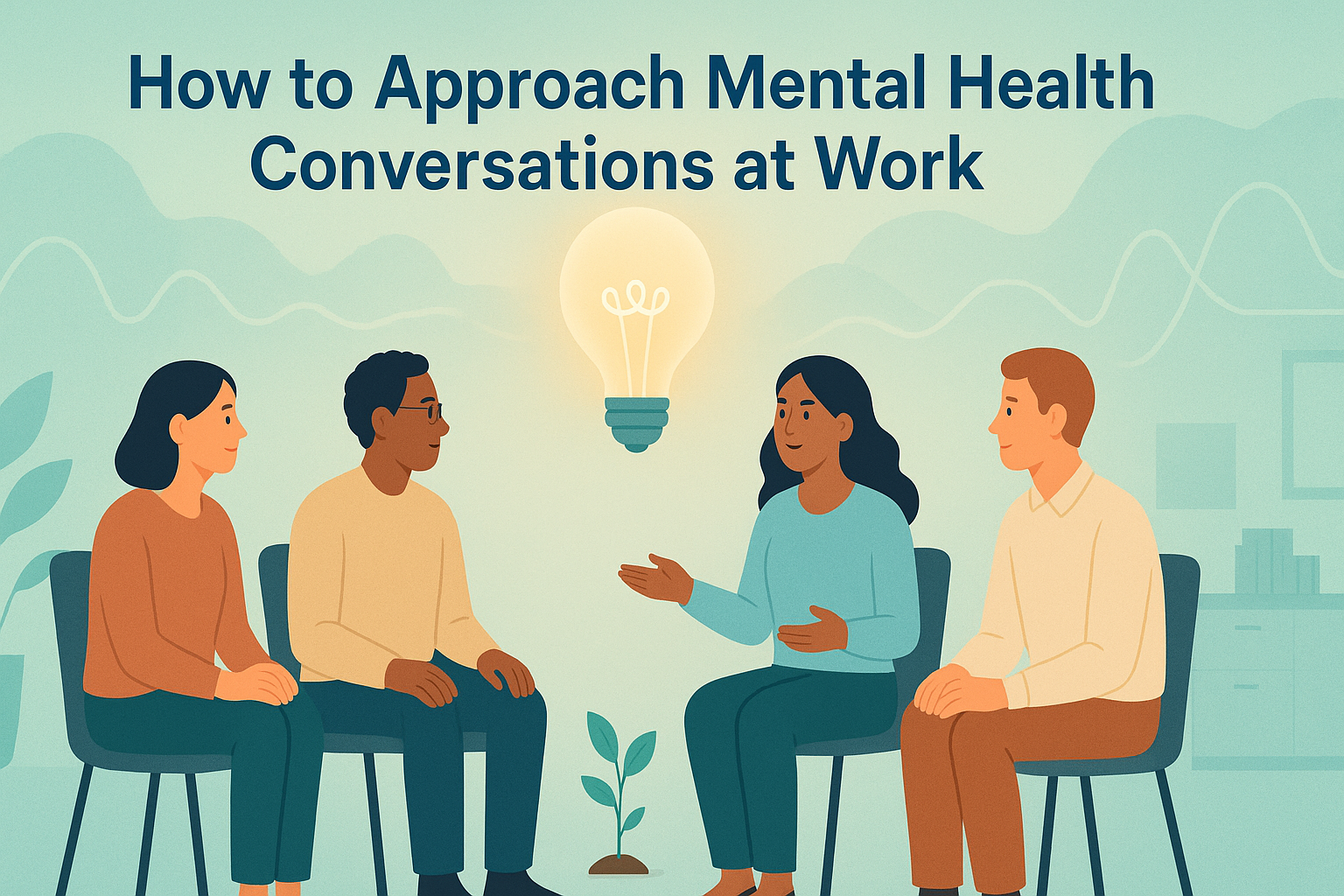
Mental health is a crucial aspect of overall well-being, yet it often remains a taboo subject in the workplace. As awareness grows, the need to address mental health openly and sensitively is more important than ever. This blog post will guide you on how to approach mental health conversations at work with empathy and effectiveness.
Table of Contents
1. Introduction
2. Understanding the Importance of Mental Health at Work
3. Creating a Supportive Environment
4. How to Initiate Conversations About Mental Health
5. Best Practices for Managers and Team Leaders
6. Conclusion
7. FAQs
Understanding the Importance of Mental Health at Work
In today’s fast-paced work environment, mental health issues can significantly impact productivity, job satisfaction, and overall team dynamics. Recognizing mental health as a priority is essential for fostering a healthy workplace culture. Employees who feel supported are more likely to be engaged, motivated, and loyal to their organization.
According to recent studies, mental health issues are one of the leading causes of absenteeism and reduced performance. By addressing these concerns, companies not only boost employee morale but also enhance their overall performance and reputation.
Creating a Supportive Environment
The first step towards encouraging open discussions about mental health is to create an environment that feels safe and supportive. Here are some ways to achieve that:
Promote Awareness and Education
Organizing workshops and training sessions can help educate employees about mental health issues and reduce stigma. Providing resources such as leaflets or access to online materials can also empower employees with the knowledge they need.
Implement Open-Door Policies
Encourage an open-door policy where employees feel comfortable approaching their supervisors with mental health concerns. This policy should be communicated clearly and practiced consistently to build trust.
Provide Access to Professional Support
Ensure that employees have access to mental health resources, such as Employee Assistance Programs (EAPs), counseling services, or mental health days. Having these resources available shows that the company values employee well-being.
#James Donaldson notes: Welcome to the “next chapter” of my life… being a voice and an advocate for #mentalhealthawarenessandsuicideprevention, especially pertaining to our younger generation of students and student-athletes. Getting men to speak up and reach out for help and assistance is one of my passions. Us men need to not suffer in silence or drown our sorrows in alcohol, hang out at bars and strip joints, or get involved with drug use. Having gone through a recent bout of #depression and #suicidalthoughts myself, I realize now, that I can make a huge difference in the lives of so many by sharing my story, and by sharing various resources I come across as I work in this space.#http://bit.ly/JamesMentalHealthArticle Find out more about the work I do on my 501c3 non-profit foundation website www.yourgiftoflife.org Order your copy of James Donaldson’s latest book, #CelebratingYourGiftofLife: From The Verge of Suicide to a Life of Purpose and Joy
Starting a conversation about mental health can be daunting, but it’s important to approach it with sensitivity and care. Here are some steps to guide you:
Choose the Right Time and Place
Select a private and comfortable setting to discuss mental health concerns. This ensures the confidentiality and comfort of the individual involved.
Use Open-Ended Questions
Begin the conversation with open-ended questions that allow the person to express themselves freely. For example, “How have you been feeling lately?” or “Is there anything you’d like to talk about?”
Practice Active Listening
Show genuine interest and empathy by actively listening to the person’s concerns. Avoid interrupting and validate their feelings by acknowledging their experiences.
Offer Support Without Judgment
Reassure the individual that their feelings are valid and that they’re not alone. Offer support by suggesting possible resources or accommodations that the company offers.
Best Practices for Managers and Team Leaders
Managers and team leaders play a pivotal role in shaping the workplace culture. Here are some best practices to consider:
Lead by Example
Demonstrate a commitment to mental health by openly discussing it in meetings, sharing personal experiences if comfortable, and utilizing available resources yourself. This sets a positive example for the team.
Regular Check-Ins
Conduct regular check-ins with team members to gauge their mental well-being. These check-ins can be informal but should be consistent to ensure ongoing support.
Recognize and Reduce Stressors
Identify workplace stressors such as high workloads or tight deadlines and work towards minimizing them. Encourage breaks and promote a healthy work-life balance.
Conclusion
Approaching mental health conversations at work is a vital step toward creating a supportive and productive workplace. By fostering an environment of openness and understanding, employers can ensure their teams feel valued and cared for. Remember, mental health is just as important as physical health, and addressing it openly can lead to a more harmonious and successful organization.
FAQs
Q: How can I encourage my team to talk about mental health?
A: Promote a culture of openness by sharing mental health resources, holding regular discussions, and setting an example by being open about your own experiences.
Q: What should I do if an employee shares their mental health struggles with me?
A: Listen with empathy, offer support, and guide them towards professional resources if needed. Respect their privacy and ensure confidentiality.
Q: How can I reduce the stigma around mental health in my workplace?
A: Educate employees through workshops and training, encourage open conversations, and provide visible support from leadership to demonstrate the organization’s commitment to mental health.