11 min read
Finding a therapist who understands your cultural background and lived experience isn't just a preference — it can make the difference between healing and giving up.
I've heard it from so many Black men: 'I tried therapy once, but the therapist just didn't get it.' Maybe the therapist was well-meaning but kept asking questions that revealed they had no real understanding of what it means to navigate the world as a Black man. Maybe the dynamic felt clinical and cold. Maybe the man in the chair felt more like a subject being studied than a person being helped. And so he never went back.
This is a real and documented problem. Research consistently shows that therapeutic alliance — the quality of the relationship between therapist and client — is one of the strongest predictors of treatment outcomes. When a client doesn't feel understood, the alliance breaks down and treatment fails. For Black men, who already face significant barriers to seeking help, a bad first experience can be the last.
So how do you find a therapist who is a good fit? Start with directories that specialize in therapists of color or culturally competent care. Therapy for Black Men (therapyforblackmen.org), the Loveland Foundation, and the National Queer and Trans Therapists of Color Network are good starting points. Psychology Today's therapist finder allows you to filter by specialty and identity.
Don't be afraid to interview potential therapists before committing. Most offer a free 15-minute consultation. Ask directly: 'What experience do you have working with Black men?' 'How do you approach issues of race and identity in therapy?' 'Are you familiar with racial trauma?' Their answers — and how they respond to being asked — will tell you a lot.
Cultural competence matters, but it's not the only thing. You also need a therapist whose approach resonates with you. Some people do well with structured, goal-oriented therapy like CBT. Others prefer a more exploratory approach. Some want a therapist who will challenge them; others need someone who will primarily listen. Know what you're looking for.
If cost is a barrier, there are options. Community mental health centers offer sliding-scale fees. Open Path Collective connects clients with therapists who charge reduced rates. Many employers offer Employee Assistance Programs (EAPs) that include free therapy sessions. And telehealth has dramatically expanded access, particularly in areas with few therapists of color.
Finding the right therapist can take time. Don't give up if the first one isn't a fit. The right therapeutic relationship can be genuinely life-changing — and you deserve that.
From the Author
Order today and James will personally sign your copy — a meaningful keepsake from an NBA All-Star and mental health advocate.

Celebrating Your Gift of Life
From the verge of suicide to a life of purpose and joy
Order & Get It Signed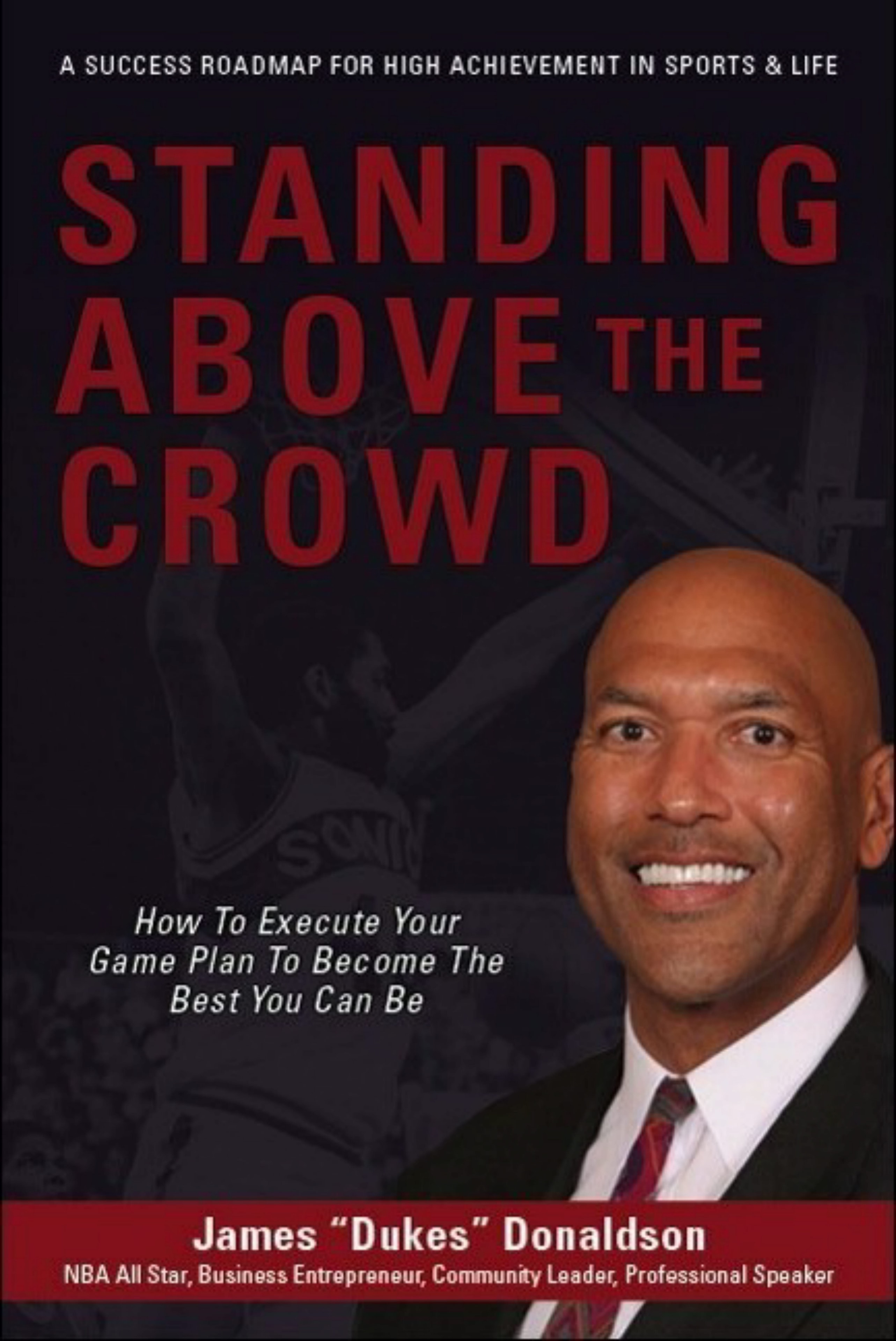
Standing Above the Crowd
Inspiring stories of resilience, hope, and mental wellness
Order & Get It Signed
James Donaldson
Author, Speaker & Mental Health Advocate · Standing Above the Crowd
James Donaldson is a former NBA All-Star (1988, Dallas Mavericks) who played 20 years of professional basketball with the Seattle SuperSonics, L.A. Clippers, Dallas Mavericks, New York Knicks, Utah Jazz, and teams across Europe, before touring with the Harlem Globetrotters. A Washington State University graduate inducted into both the Pac-10 and WSU Athletic Halls of Fame, James went on to found The Donaldson Clinic, an outpatient physical therapy practice he operated for nearly three decades. Today he devotes his time to mental health awareness and suicide prevention — speaking to organizations, schools, and youth groups — and is the author of Standing Above the Crowd and Celebrating Your Gift of Life (2021). James recently relocated to the Dallas, TX area and believes deeply in being a role model of success and professionalism for the young people he serves.