7 min read

What we know about it, and how parents can help kids get the right diagnosis. Research shows that kids of color, specifically Black kids, may be more likely than white kids to get the wrong diagnosis when they show signs of a mood disorder.
Mood disorders are a category of mental health disorder that includes depression, bipolar disorder, and other disorders with similar symptoms. Symptoms of mood disorders can be difficult to recognize. Research shows that kids of color, specifically Black kids, may be more likely than white kids to get the wrong diagnosis when they show signs of a mood disorder. They might get written off as misbehaving. Or they might be wrongly diagnosed with a different disorder like conduct disorder or schizophrenia.
One important cause of misdiagnosis of kids of color may be unconscious bias on the part of clinicians. Kids of different races who have the same symptoms might get different treatment. For example, a clinician might assume that a Black child who won't participate in class is just misbehaving. But if a white child shows the same symptoms, they might get diagnosed with depression.
Cultural differences can also lead to misdiagnosis. If a clinician doesn't know what kinds of behavior or emotional expression are normal for a child's culture, they might miss signs of mood disorders. In some cases, Black people might be less willing to share information with a white clinician due to fear of being judged or punished. And with less information, the diagnosis is less likely to be accurate.
Despite the risk of misdiagnosis, it's still very important for Black kids to get care when they're dealing with a mental health challenge. Parents can help by knowing common signs of mood disorders. And if you're concerned that your child may have a mood disorder, look for a clinician who has experience working with kids who share your child's racial identity.
While kids of any race can receive the wrong diagnosis, research suggests that people of color and particularly Black people are less likely to be diagnosed with mood disorders than white people, even when their symptoms are the same. One study found that Black male teenagers receiving psychiatric care were more likely to be diagnosed with schizophrenia than any other group, while white adolescents were more likely to be diagnosed with depression.
Even when patients' issues are the same, there can be a disparity in how youth of color are diagnosed when compared to white youth. Research shows that when clinicians are given descriptions of the same symptoms labeled with different racial groups, there tends to be a bias to provide certain groups with certain diagnoses.
Despite the risk of misdiagnosis, it's still very important for kids of color to get care when they're dealing with a mental health challenge. If you think that depression or another mood disorder might be troubling your child, the best thing you can do for them is seek an accurate diagnosis and appropriate treatment. And if you think your child has been misdiagnosed or written off by an authority figure, getting a second opinion can help.
From the Author
Order today and James will personally sign your copy — a meaningful keepsake from an NBA All-Star and mental health advocate.
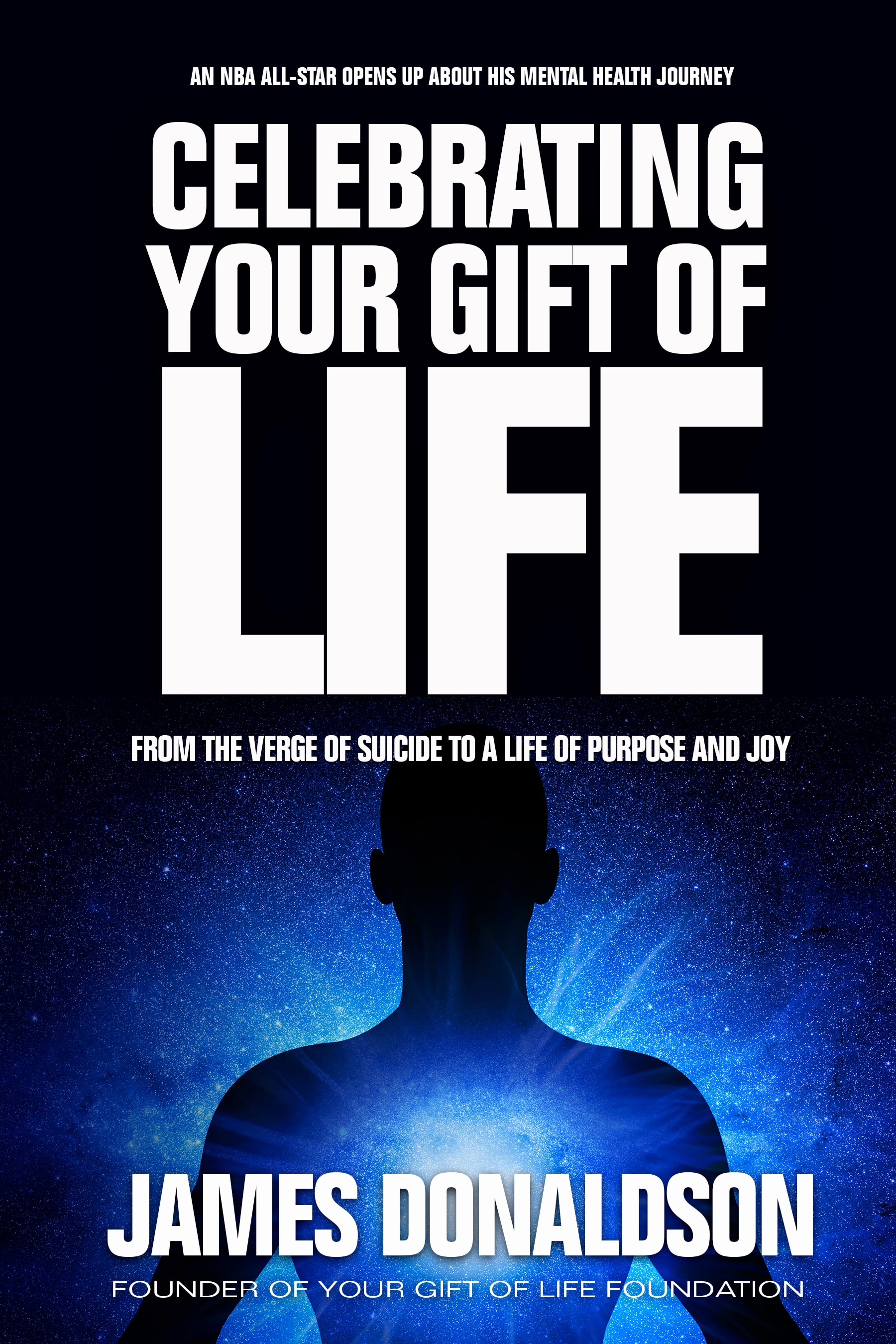
Celebrating Your Gift of Life
From the verge of suicide to a life of purpose and joy
Order & Get It Signed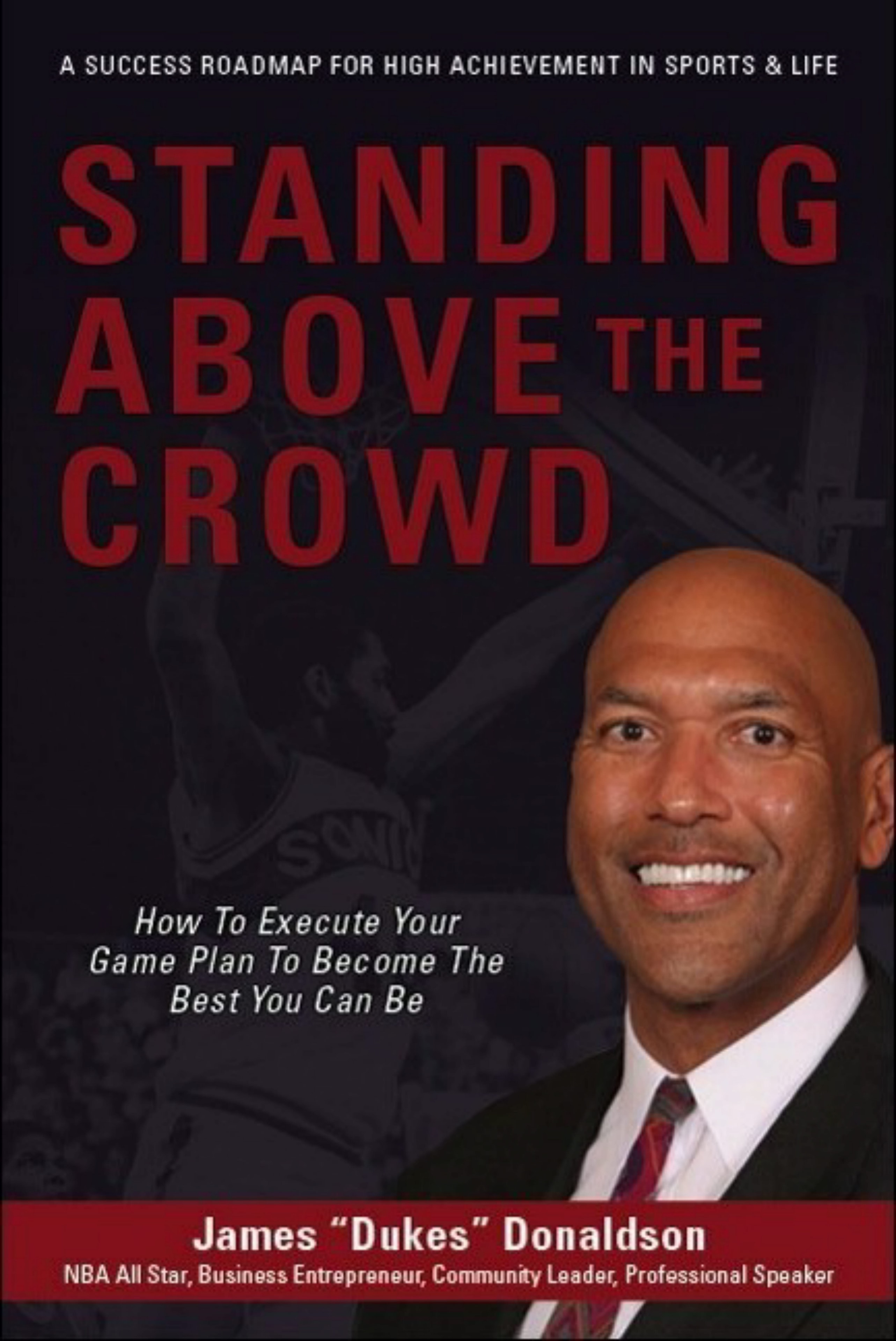
Standing Above the Crowd
Inspiring stories of resilience, hope, and mental wellness
Order & Get It Signed
James Donaldson
Author, Speaker & Mental Health Advocate · Standing Above the Crowd
James Donaldson is a former NBA All-Star (1988, Dallas Mavericks) who played 20 years of professional basketball with the Seattle SuperSonics, L.A. Clippers, Dallas Mavericks, New York Knicks, Utah Jazz, and teams across Europe, before touring with the Harlem Globetrotters. A Washington State University graduate inducted into both the Pac-10 and WSU Athletic Halls of Fame, James went on to found The Donaldson Clinic, an outpatient physical therapy practice he operated for nearly three decades. Today he devotes his time to mental health awareness and suicide prevention — speaking to organizations, schools, and youth groups — and is the author of Standing Above the Crowd and Celebrating Your Gift of Life (2021). James recently relocated to the Dallas, TX area and believes deeply in being a role model of success and professionalism for the young people he serves.