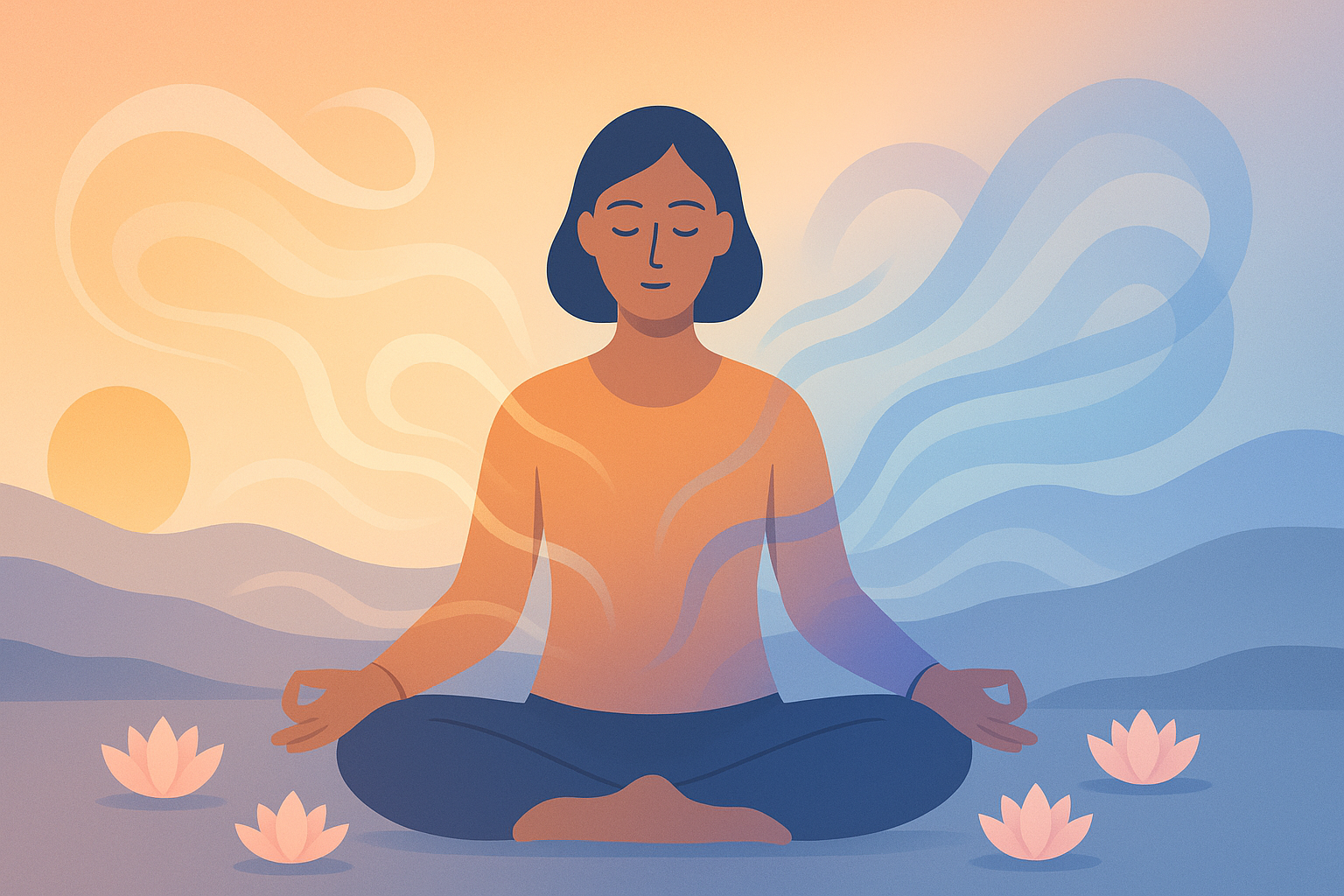
In today’s fast-paced world, managing our emotions can be a challenging task. Emotional regulation and mindfulness are two powerful tools that, when combined, can significantly improve our mental well-being. This blog post will delve into how these two concepts interconnect and how you can harness their synergy for a healthier mind.
Table of Contents
1. Introduction to Emotional Regulation and Mindfulness
2. Understanding Emotional Regulation
3. The Power of Mindfulness
4. How Emotional Regulation and Mindfulness Work Together
5. Practical Tips for Integrating Mindfulness into Emotional Regulation
6. Conclusion
7. FAQs
Introduction to Emotional Regulation and Mindfulness
Life throws countless challenges our way, often testing our emotional resilience. Emotional regulation is the ability to manage and respond to these challenges with a balanced approach. Mindfulness, on the other hand, is the practice of being present and fully engaged in the moment without judgment. When combined, these practices can create a powerful foundation for emotional health. Let’s explore how they work together.
Understanding Emotional Regulation
Emotional regulation involves the awareness, understanding, and acceptance of your emotions. It’s not about suppressing feelings but rather managing them in a way that is beneficial for you and those around you. This process involves:
Acknowledging Emotions: Recognizing and naming your emotions is the first step towards regulation.
Understanding Triggers: Identifying what sparks certain emotions can help you manage them more effectively.
Developing Coping Strategies: Employing techniques like deep breathing, journaling, or even talking to a friend can aid in managing intense emotions.
The Power of Mindfulness
Mindfulness is about being present in the moment and accepting it without judgment. This practice can transform how you experience emotions by helping you:
Increase Awareness: Mindfulness enhances your awareness of thoughts and feelings, allowing for better emotional regulation.
Reduce Stress: By focusing on the present, mindfulness can reduce stress and anxiety, creating a calmer mind.
Enhance Emotional Clarity: Mindfulness helps you observe emotions more clearly, reducing impulsive reactions.
How Emotional Regulation and Mindfulness Work Together
When emotional regulation is combined with mindfulness, the benefits are manifold. Mindfulness provides the tools to observe emotions without immediate reaction, creating space for thoughtful responses. This synergy allows you to:
Respond Rather than React: Mindfulness helps you pause and evaluate your emotions, leading to more thoughtful responses.
Build Emotional Resilience: Regular mindfulness practice strengthens your ability to handle emotional challenges with greater ease.
Enhance Self-awareness: The combination of mindfulness and emotional regulation fosters deeper self-awareness and understanding.
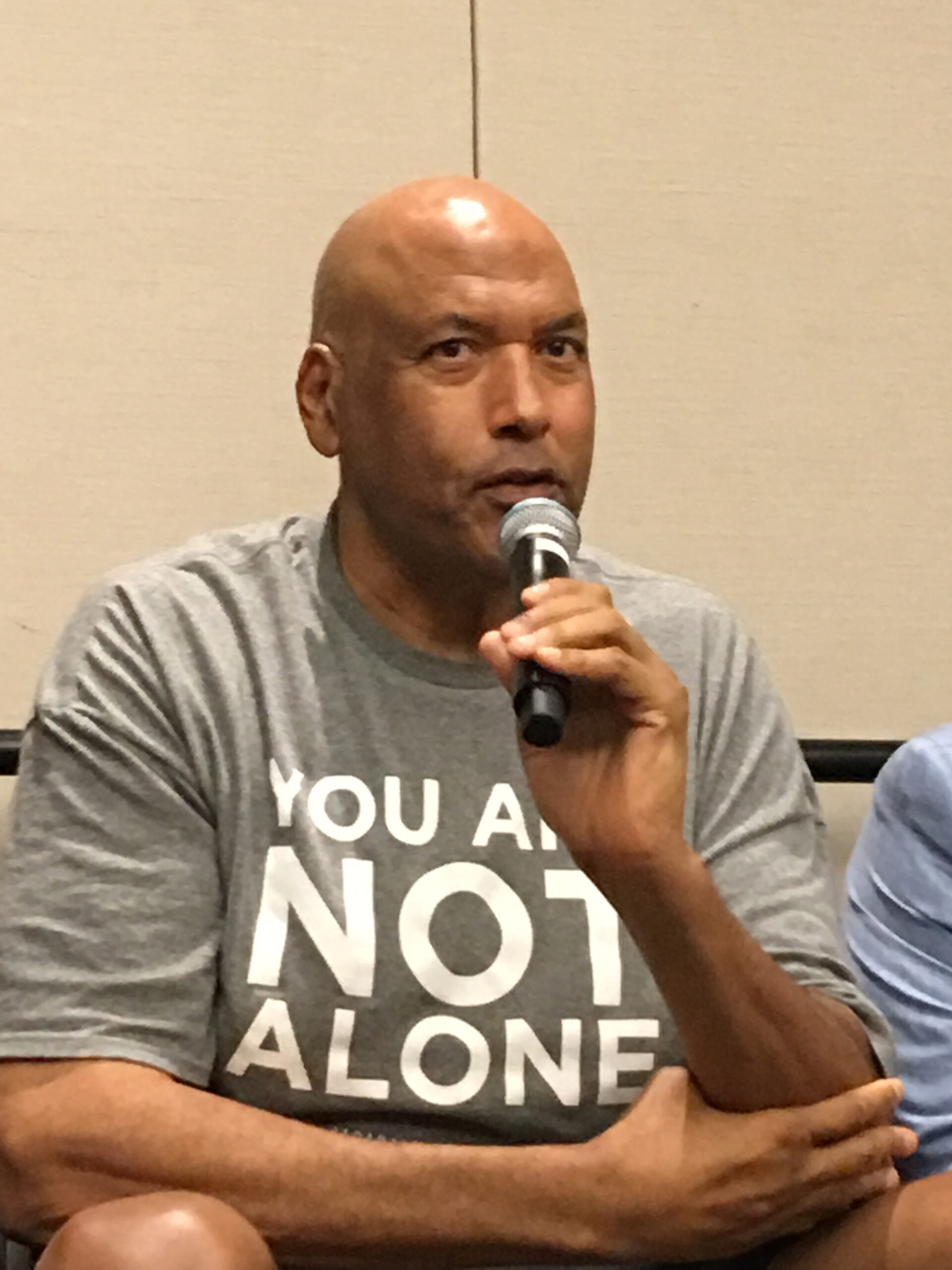
#James Donaldson notes: Welcome to the “next chapter” of my life… being a voice and an advocate for #mentalhealthawarenessandsuicideprevention, especially pertaining to our younger generation of students and student-athletes. Getting men to speak up and reach out for help and assistance is one of my passions. Us men need to not suffer in silence or drown our sorrows in alcohol, hang out at bars and strip joints, or get involved with drug use. Having gone through a recent bout of #depression and #suicidalthoughts myself, I realize now, that I can make a huge difference in the lives of so many by sharing my story, and by sharing various resources I come across as I work in this space.#http://bit.ly/JamesMentalHealthArticle Find out more about the work I do on my 501c3 non-profit foundation website www.yourgiftoflife.org Order your copy of James Donaldson’s latest book, #CelebratingYourGiftofLife: From The Verge of Suicide to a Life of Purpose and Joy
Practical Tips for Integrating Mindfulness into Emotional Regulation
Integrating mindfulness into your emotional regulation routine doesn’t have to be complicated. Here are some practical tips:
Start with Breathing: Simple breathing exercises can increase mindfulness. Try inhaling deeply for four counts, holding for four, and exhaling for four.
Practice Mindful Meditation: Set aside a few minutes each day for meditation. Focus on your breath and observe your thoughts without judgment.
Keep a Mindfulness Journal: Reflect on your daily emotions and note how mindfulness practices affect them.
Engage in Mindful Activities: Activities like yoga or tai chi naturally incorporate mindfulness into physical movement, enhancing emotional regulation.
Conclusion
Emotional regulation and mindfulness are powerful allies in maintaining emotional health. By understanding and integrating these practices into daily life, you can achieve greater emotional balance and resilience. Remember, it’s not about eliminating emotions but learning to navigate them with grace and awareness.
FAQs
Q: Can mindfulness really help with emotional regulation?
A: Yes, mindfulness enhances self-awareness and helps you manage emotions more effectively by promoting a calm and present state of mind.
Q: How long should I practice mindfulness to see results?
A: Even a few minutes of daily mindfulness practice can be beneficial. Consistency is key, and over time, you’ll likely notice improvements in emotional regulation.
Q: Is emotional regulation the same as emotional suppression?
A: No, emotional regulation involves managing emotions, not suppressing them. It’s about understanding and responding to emotions in a healthy way.