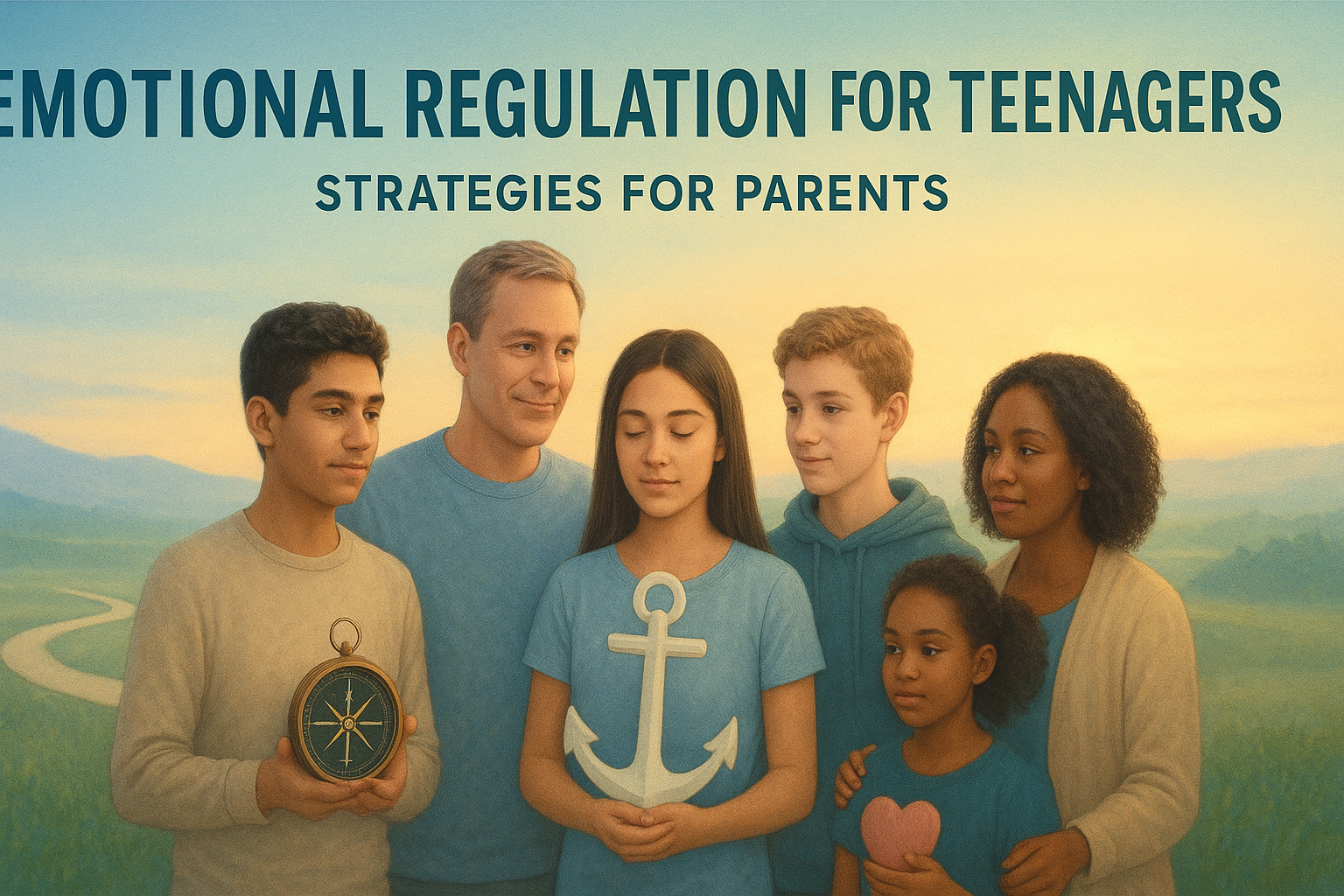
Emotional Regulation for Teenagers: Strategies for Parents
Teenage years can be a whirlwind of emotions and changes, both for the teens navigating them and their parents. Understanding and managing these emotions is crucial for healthy development. In this blog post, we’ll explore strategies that parents can use to aid their teenagers in emotional regulation, ensuring a smoother journey through adolescence.
Table of Contents
1. Introduction
2. Understanding Emotional Regulation
3. Why Emotional Regulation Matters
4. Strategies for Parents
5. Building a Supportive Environment
6. Encouraging Open Communication
7. Teaching Coping Mechanisms
8. Conclusion
9. FAQs
Understanding Emotional Regulation
Emotional regulation refers to the ability to manage and respond to emotional experiences in a healthy way. For teenagers, who are undergoing significant physical and emotional changes, mastering this skill can be challenging but immensely beneficial. It involves recognizing emotions, understanding their causes, and learning how to express them appropriately.
Why Emotional Regulation Matters
Emotional regulation is essential for teenagers as it impacts their mental health, relationships, and academic performance. Teens who struggle with emotional regulation may experience anxiety, depression, or conflicts with peers and family members. By learning to regulate their emotions, teenagers can improve their resilience, decision-making skills, and overall well-being.
Strategies for Parents
Building a Supportive Environment
Creating a supportive and understanding home environment is the first step in helping teenagers with emotional regulation. Parents can foster this by showing empathy and patience, providing a safe space for their teens to express feelings without judgment. Encourage them to talk about their day, their successes, and their challenges.
Encouraging Open Communication
Open communication is key to understanding your teenager’s emotional landscape. Engage in active listening, which involves giving full attention, acknowledging their feelings, and responding thoughtfully. Ask open-ended questions to encourage deeper conversations and show genuine interest in their thoughts and experiences.
Teaching Coping Mechanisms
Equipping teenagers with coping mechanisms helps them deal with stress and emotions effectively. Introduce techniques such as deep breathing, mindfulness, and journaling. Encourage physical activities like sports or yoga, which can also serve as excellent outlets for stress relief and emotional balance.
Conclusion
Emotional regulation is a vital skill that teenagers need to navigate the complexities of adolescence and beyond. As a parent, your role in guiding and supporting your teen through this process is invaluable. By building a supportive environment, encouraging open communication, and teaching coping mechanisms, you can empower your teenager to manage their emotions effectively, paving the way for a healthier and happier future.
FAQs
Q1: How can I tell if my teenager is struggling with emotional regulation?
A1: Look for signs such as frequent mood swings, outbursts of anger, withdrawal from friends and family, or a decline in academic performance. These may indicate difficulties in managing emotions.
Q2: Are there any professional resources available for additional support?
A2: Yes, therapists and counselors can provide specialized support for teenagers facing emotional regulation challenges. Schools often have resources available, and seeking professional help is a positive step.
Q3: How can I model emotional regulation for my teenager?
A3: Demonstrate healthy emotional management by expressing your feelings constructively, showing empathy, and practicing stress-reducing techniques. Your behavior sets a powerful example for your teen.