Emotional Regulation Techniques for Stressful Situations
In today’s fast-paced world, stress seems to be an inevitable part of life. Whether it’s due to work pressures, personal challenges, or unexpected events, learning how to manage stress is crucial for maintaining overall well-being. Emotional regulation—the ability to manage and respond to emotional experiences effectively—is a valuable skill that can help us navigate through life’s turbulent times with greater ease.
Table of Contents
1. Introduction
2. Understanding Emotional Regulation
3. Mindfulness and Meditation
4. Cognitive Reappraisal
5. Deep Breathing Techniques
6. Journaling
7. Exercise and Physical Activity
8. Social Support and Connection
9. Conclusion
10. FAQs
Understanding Emotional Regulation
Emotional regulation refers to the processes by which individuals influence their emotions: when they have them, how they experience them, and how they express them. It’s about finding that balance where you’re neither overwhelmed by emotions nor suppressing them entirely. Recognizing and understanding your emotions is the first step toward regulating them effectively.
Mindfulness and Meditation
Mindfulness and meditation are powerful tools for enhancing emotional regulation. By focusing on the present moment without judgment, mindfulness allows us to observe our thoughts and feelings without becoming overwhelmed. Regular meditation practice can help calm the mind and reduce stress, making it easier to manage emotional responses.
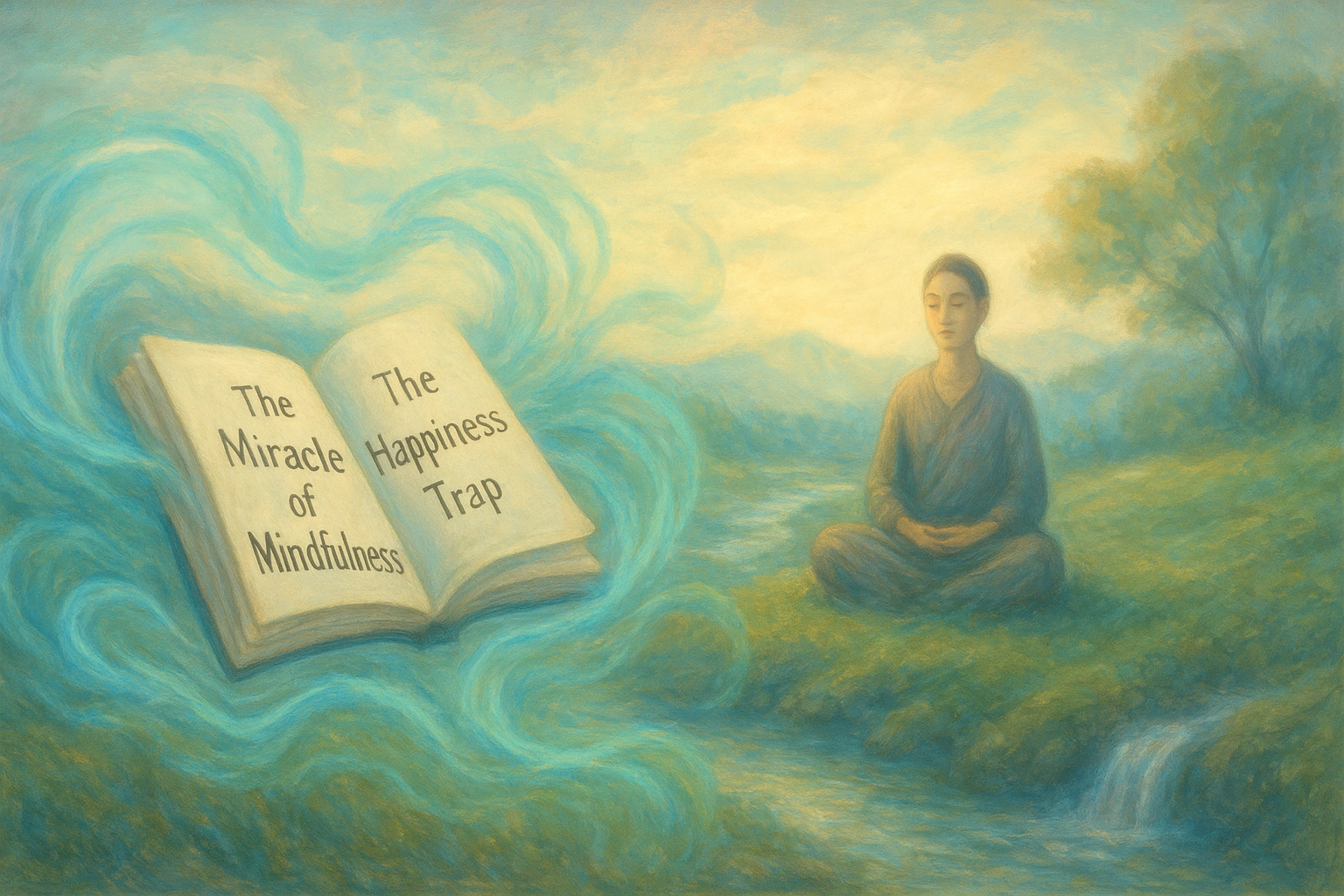
Start by setting aside a few minutes each day to sit quietly and focus on your breath. Notice any thoughts or feelings that arise, acknowledge them, and gently bring your attention back to your breathing. Over time, this practice can lead to greater emotional awareness and regulation.
Cognitive Reappraisal
Cognitive reappraisal involves changing the way you think about a situation to alter its emotional impact. Instead of viewing a stressful event as a threat, try to see it as a challenge or an opportunity for growth. This shift in perspective can reduce negative emotions and promote a more positive outlook.
For example, if you’re facing a tight deadline at work, instead of stressing about the pressure, reframe it as a chance to showcase your skills and improve time management abilities.
Deep Breathing Techniques
Deep breathing is a simple yet effective technique for managing stress. By taking slow, deep breaths, you activate the body’s relaxation response, which helps reduce tension and anxiety.
Practice deep breathing by inhaling slowly through your nose, holding your breath for a few seconds, and then exhaling slowly through your mouth. Repeat this process several times until you feel calmer and more centered.
Journaling
Journaling provides a safe space to express your thoughts and emotions. Writing about your experiences can help clarify your feelings, identify patterns, and gain insights into your emotional responses.
Set aside time each day to write freely about whatever is on your mind. Don’t worry about grammar or structure—just let your thoughts flow. Over time, journaling can enhance self-awareness and emotional regulation.
Exercise and Physical Activity
Physical activity is a natural stress reliever. Exercise releases endorphins, the body’s feel-good chemicals, which can improve mood and reduce stress.
Even a short walk, a quick dance session, or a few minutes of stretching can make a significant difference in how you feel. Find an activity you enjoy and make it a regular part of your routine to help manage stress levels.
Social Support and Connection
Connecting with others can provide emotional support and help regulate emotions. Sharing your feelings with friends or loved ones can offer new perspectives and reduce feelings of isolation.
Make time for social interactions, whether through in-person meetings, phone calls, or virtual gatherings. Building a strong support network can help you navigate stressful situations more effectively.
Conclusion
Emotional regulation is a skill that can be developed and refined over time. By incorporating mindfulness, cognitive reappraisal, deep breathing, journaling, exercise, and social support into your life, you can better manage stress and enhance your emotional well-being. Remember, it’s okay to seek help from mental health professionals if you find it challenging to cope with stress on your own.
FAQs
Q: Can emotional regulation techniques be learned at any age?
A: Yes, emotional regulation techniques can be learned and practiced at any age. It’s never too late to start improving your emotional skills.
Q: How long does it take to see results from these techniques?
A: The time it takes to see results can vary depending on the individual and the technique. Some people may notice improvements after a few sessions, while others may take longer. Consistency is key.
Q: Are there any specific resources you recommend for learning more about emotional regulation?
A: There are many books, courses, and online resources available on mindfulness, meditation, and emotional regulation. Some popular books include “The Miracle of Mindfulness” by Thich Nhat Hanh and “The Happiness Trap” by Russ Harris.