In today’s fast-paced world, managing emotions can often feel like an insurmountable challenge. Thankfully, yoga offers a holistic approach to help individuals find balance and achieve emotional regulation. This ancient practice not only benefits the body but also nurtures the mind and spirit, providing tools to navigate the emotional ups and downs of life.
Table of Contents
1. Introduction
2. Understanding Emotional Regulation
3. How Yoga Aids in Emotional Regulation
4. Key Yoga Practices for Emotional Balance
4.1. Breathing Techniques
4.2. Mindfulness Meditation
4.3. Yoga Poses
5. Tips for Integrating Yoga into Your Life
6. Conclusion
7. FAQs
Understanding Emotional Regulation
Emotional regulation refers to the ability to manage and respond to emotional experiences in a healthy and productive manner. It involves recognizing and acknowledging one’s emotions, understanding their triggers, and finding healthy ways to cope with them. Poor emotional regulation can lead to increased stress, anxiety, and even physical health issues.
How Yoga Aids in Emotional Regulation
Yoga is a mind-body practice that combines physical postures, breathing exercises, and meditation. This unique combination makes yoga an effective tool for emotional regulation. By promoting relaxation and mindfulness, yoga helps individuals become more aware of their emotions and develop healthier responses to them.
Key Yoga Practices for Emotional Balance
4.1. Breathing Techniques
Breathing techniques, or pranayama, are fundamental to yoga practice. Controlled breathing can help calm the nervous system and reduce stress. Techniques such as deep belly breathing, alternate nostril breathing, and the 4-7-8 method are particularly effective for emotional regulation. By focusing on the breath, individuals can ground themselves in the present moment, reducing anxiety and promoting a sense of calm.
4.2. Mindfulness Meditation
Mindfulness meditation, often incorporated into yoga sessions, encourages individuals to observe their thoughts and emotions without judgment. This practice fosters self-awareness and emotional intelligence, allowing individuals to recognize emotional patterns and respond more effectively. Regular meditation practice can lead to a more balanced emotional state, reducing reactivity and promoting peace of mind.
4.3. Yoga Poses
Certain yoga poses are particularly beneficial for emotional regulation. Forward bends, such as Uttanasana (Standing Forward Bend), promote introspection and calmness, while heart-opening poses like Ustrasana (Camel Pose) can help release stored emotions and foster openness. Balancing poses, such as Vrikshasana (Tree Pose), enhance focus and stability, teaching individuals to maintain equilibrium even during emotional turmoil.
Tips for Integrating Yoga into Your Life
For those new to yoga, starting with a few simple practices can be a great way to begin experiencing its emotional benefits. Consider setting aside a few minutes each day for breathing exercises or a short meditation session. Joining a local yoga class or following online tutorials can provide guidance and structure. Remember, consistency is key, and over time, these practices can lead to lasting emotional balance.
Conclusion
Emotional regulation is a crucial component of overall well-being, and yoga offers a comprehensive approach to achieving it. By embracing yoga practices such as breathing techniques, mindfulness meditation, and specific poses, individuals can cultivate a deeper understanding of their emotions and develop healthier responses to life’s challenges. Whether you’re a seasoned yogi or a newcomer, integrating yoga into your daily routine can be a transformative step towards emotional harmony.
FAQs
1. Can yoga help with anxiety and depression?
Yes, yoga can be beneficial for managing anxiety and depression. The combination of physical movement, breath control, and mindfulness can help alleviate symptoms and promote a sense of calm and well-being.
2. How often should I practice yoga for emotional regulation?
Consistency is important, so aim to practice yoga several times a week. Even short daily sessions can make a significant difference in emotional regulation over time.
3. Can I practice yoga at home without any equipment?
Absolutely. Many yoga practices can be done at home without any equipment. A yoga mat can be helpful for comfort, but it’s not essential. Online resources can guide you through home practices.
4. Do I need to be flexible to start practicing yoga?
No, flexibility is not a prerequisite for yoga. Yoga is about meeting yourself where you are and progressing at your own pace. As you practice, your flexibility will naturally improve.
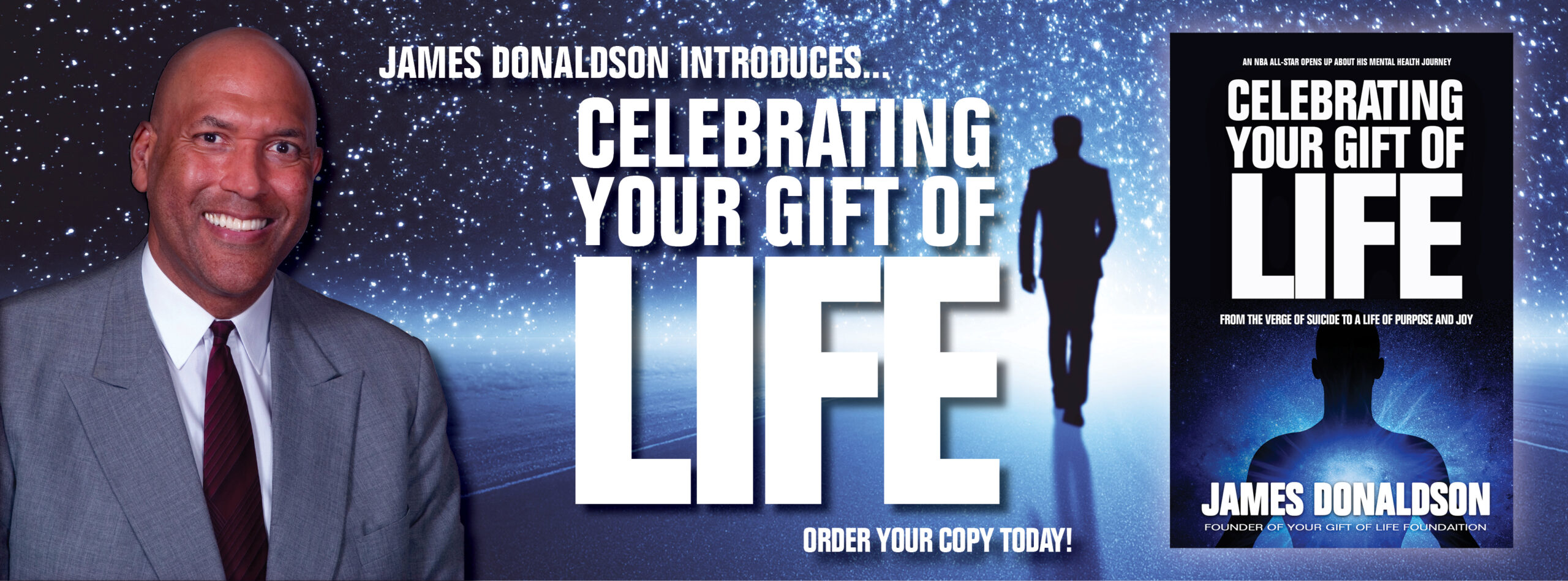
#James Donaldson notes: Welcome to the “next chapter” of my life… being a voice and an advocate for #mentalhealthawarenessandsuicideprevention, especially pertaining to our younger generation of students and student-athletes. Getting men to speak up and reach out for help and assistance is one of my passions. Us men need to not suffer in silence or drown our sorrows in alcohol, hang out at bars and strip joints, or get involved with drug use. Having gone through a recent bout of #depression and #suicidalthoughts myself, I realize now, that I can make a huge difference in the lives of so many by sharing my story, and by sharing various resources I come across as I work in this space.#http://bit.ly/JamesMentalHealthArticle Find out more about the work I do on my 501c3 non-profit foundation website www.yourgiftoflife.org Order your copy of James Donaldson’s latest book, #CelebratingYourGiftofLife: From The Verge of Suicide to a Life of Purpose and Joy