These numbers highlight why it’s crucial to understand the different ways suicidal thoughts – also known as suicidal ideation – can show up in everyday conversations.
Researchers once assumed people move along a single continuum from early thoughts to more concrete plans and actions. However, recent research suggests there are substages within this continuum, and people might flip-flop between different types of suicidal thoughts.
Suicidal thoughts can be active or passive. But what’s the difference, and how should we respond when we hear loved ones talking this way?
Passive versus active
Passive suicidal ideation involves thinking about death or not wanting to live, without intention to act and engage in suicidal behaviour.
These thoughts can sound like:
I don’t want to live, but I don’t want to die.
I wish I could fall asleep and never wake up.
My life is not worth living.
I don’t want to be here, but I don’t want to be dead.
I wish I could just disappear.
Everyone would be better off if I wasn’t around.
Active thoughts, in contrast, include thoughts about ending one’s life with some degree of intent or planning. These thoughts can sound like:
I’m having thoughts about how I would end my life.
I’m going to kill myself.
But the two categories are not always clear cut.
Researchers have tried to group related questions to reveal core themes of suicidal thinking but have struggled to articulate an exact distinction between passive and active ideation.
Research published in 2023 found some thoughts – such as “I wish I were dead” or “maybe I should kill myself” – may represent both active and passive ideation.
Passive and active thoughts often co-occur and each independently predicts suicide attempts.
Recognising the signs
These thoughts can be difficult to recognise – in yourself, or in a loved one.
People may not openly express them, or may not know how to put these thoughts into words and ask for help.
Regardless of whether thoughts are passive or active, certain patterns suggest increasing risk.
More than two thirds of people who die by suicide do not engage with mental health professionals in the year prior to their death.
This underlines the crucial role of friends, family and peers.
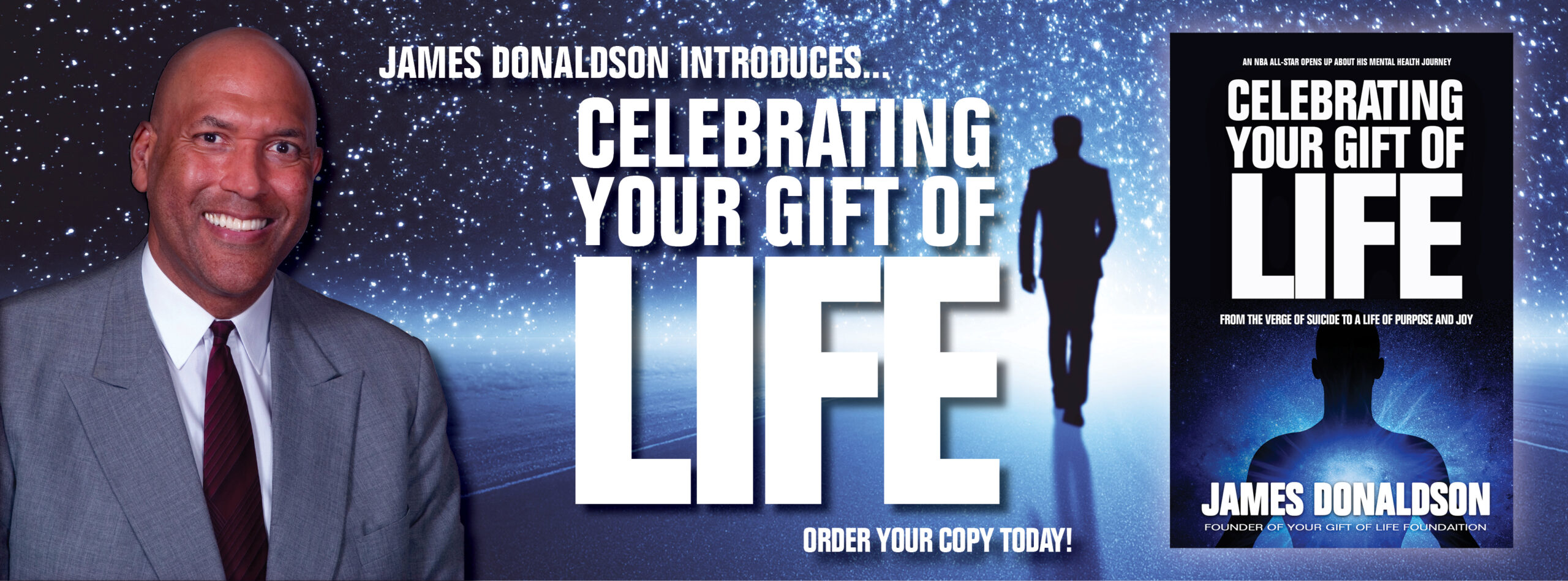
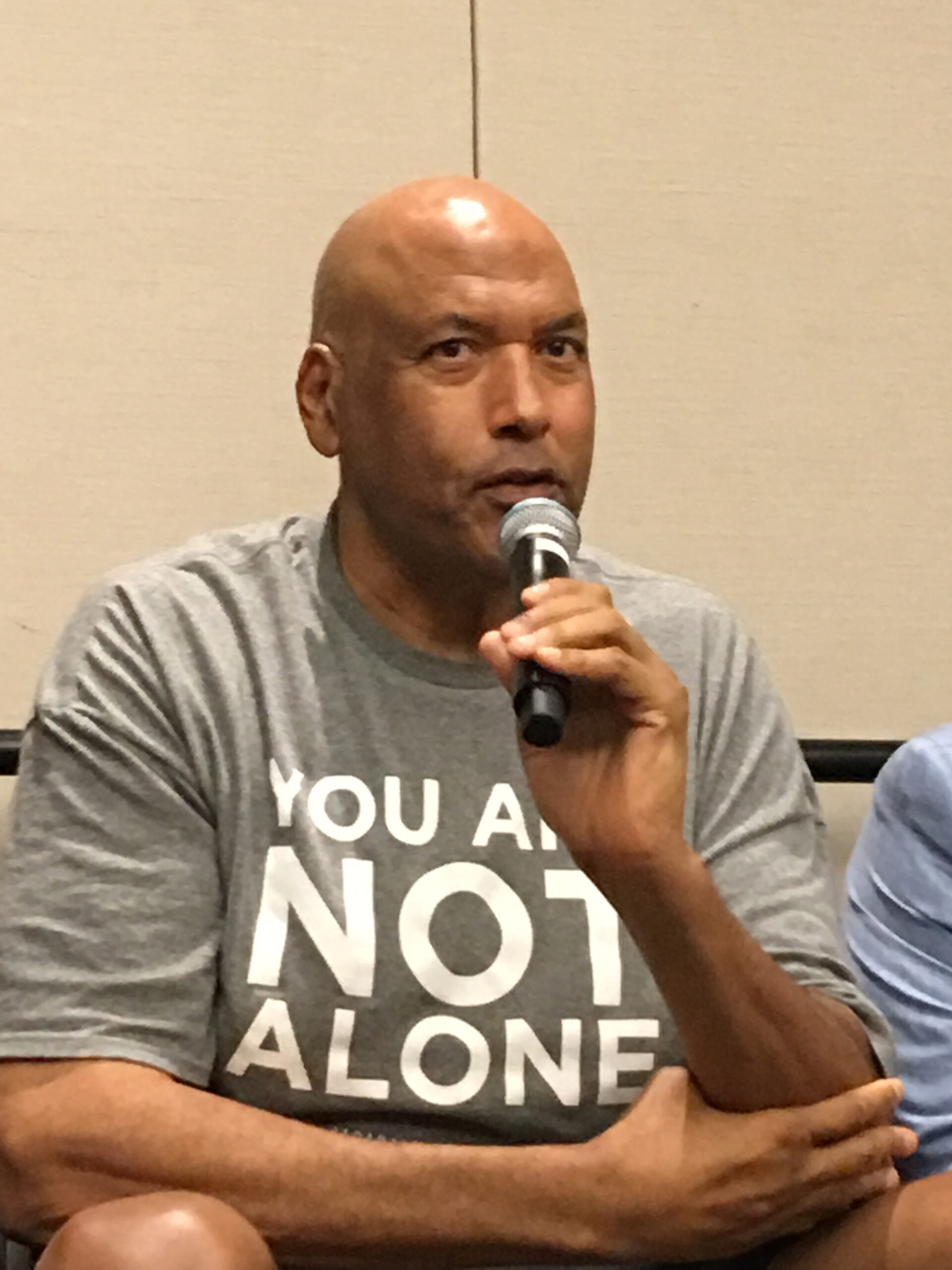
#James Donaldson notes: Welcome to the “next chapter” of my life… being a voice and an advocate for #mentalhealthawarenessandsuicideprevention, especially pertaining to our younger generation of students and student-athletes. Getting men to speak up and reach out for help and assistance is one of my passions. Us men need to not suffer in silence or drown our sorrows in alcohol, hang out at bars and strip joints, or get involved with drug use. Having gone through a recent bout of #depression and #suicidalthoughts myself, I realize now, that I can make a huge difference in the lives of so many by sharing my story, and by sharing various resources I come across as I work in this space.#http://bit.ly/JamesMentalHealthArticle Find out more about the work I do on my 501c3 non-profit foundation website www.yourgiftoflife.org Order your copy of James Donaldson’s latest book, #CelebratingYourGiftofLife: From The Verge of Suicide to a Life of Purpose and Joy
The National Australian Suicide Prevention Strategy 2025–2035 recognises the importance of a whole-of-community response to suicide prevention, with specific emphasis on laypeople recognising and responding to suicidal distress.
The Black Dog Institute provides a four-step guide for suicide prevention that can help structure your response.
First, directly ask if they are having thoughts of suicide.
Second, listen and take what they are saying seriously, and check their safety to ensure there is nothing they can use to harm themselves.
Third, get help. If someone’s life is in immediate danger, call 000, call a helpline such as Lifeline (13 11 14), or take them to the emergency department; if they are not in immediate danger, help them make an appointment with a GP or psychologist or call a helpline.
Fourth, follow up and check on the person. Let them know you care about them and ask how often would be appropriate to check in with them.
Of course, suicide is complex. Warning signs are not always apparent in the moment. If you have lost someone to suicide, please know you are not responsible for their death. Their decision was shaped by many factors beyond just one person’s control.
No feeling is final
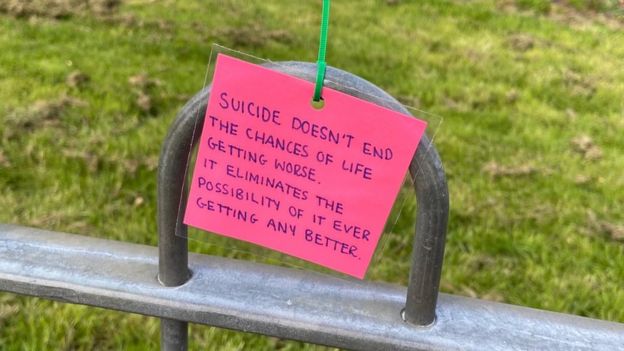
Crisis does eventually pass. While it may not feel possible in the moment, remind the person that things will not stay this way forever and that help is available.
Passive or active, thoughts of suicide are a sign of deep distress.
When we notice and respond with calm curiosity, compassion and practical support, we may help save a life.