A View From Above on Things That Make The World Go 'Round
James Donaldson on Mental Health – People Are Sharing The Things That Helped Them Get Through A “Very Dark Period” In Their Lives, And As A Human, I Recommend You Read This
Note: This post contains mentions of depression, suicidal ideation, substance use, and mental health treatment.
When things feel impossibly heavy, even small decisions can matter more than we realize. So when respondents were asked “During a very dark period, what was the best thing you ever did for your mental health?” people shared the choices, habits, and moments that helped them stay afloat — and, in many cases, slowly find their way back to themselves. From reaching out for help to making quiet, everyday changes, these are 28 things people say made a real difference when they needed it most:
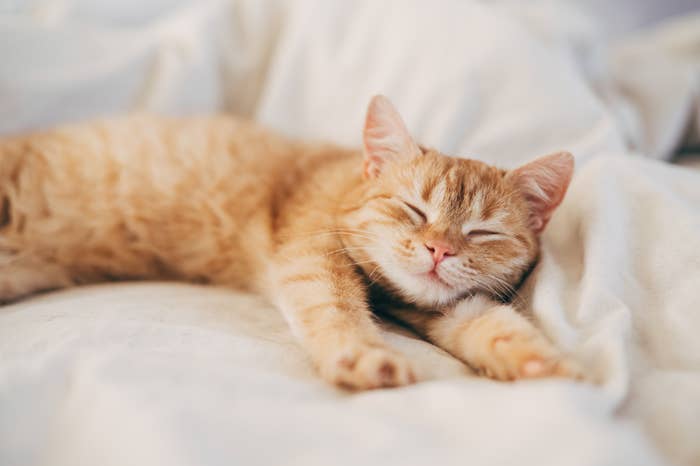
1. “I acquired a cat. Somehow, ‘let me ask around’ was heard as ‘I’ll take him,’ and I didn’t know how to get out of it. I was in no mental state to take on a cat. But every day, I had to get up and feed him. My little accidental housemate needed me, and I couldn’t bring myself to not keep going, one day at a time, to carry on taking care of him. I didn’t rescue a cat. He rescued me.”
2. “When I’m having a bad day, I go leave long, descriptive five-star reviews for every small shop, restaurant, etc., I’ve been to recently.”
3. “Did the things my depression was telling me I didn’t want to do. Go outside, see people, take care of myself.”
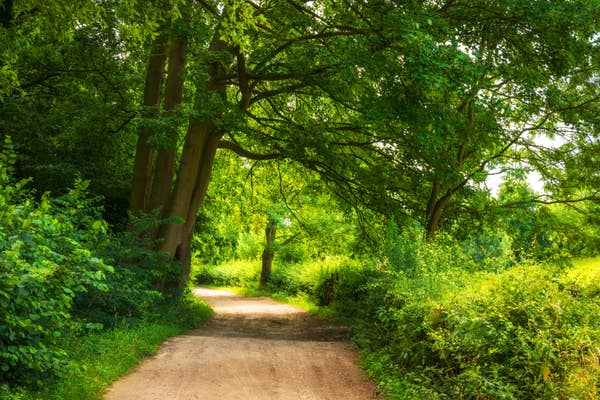
4. “Get out and go for a walk. In nature. On a trail. Breathe the air. No phone.”
5. “Honestly? Move across the freaking country. I went to a place where I didn’t know anyone and where no one knew me. I got away from the people and the things that caused my depression. In retrospect, it was the best move I could have made. I made new friends, built a new life, and never went back. My mental health is so much better after leaving a small town with nothing but dead ends.”
6. “Sounds daft, but I watched an episode of Red Dwarf to pass the time until everyone had gone to bed so they wouldn’t be around when I’d take my own life. That one episode turned into a two-series binge. A week went by, and I’d finished the series. Luckily, my dad had them all on VHS. It sounds silly, too, but that first genuine laugh broke something open inside me. I was crying with laughter while trying to stay quiet. Some moments were just tears, too, but the catharsis afterward was unreal. I got myself help afterward and am here 16 years later.”
7. “Quit drinking. Full stop.”
8. “Anything. I was in a rut for years where I did nothing full-time and watched my life go by. I had horrible habits: not exercising, smoking a pack of cigarettes a day, and drinking four energy drinks a day. Things changed when I started participating in my own life and building better habits. You aren’t going to feel much different tomorrow, but you can feel transformed in a year. So go for a walk, eat a piece of fruit, call your grandma. Do little things every day that positively benefit your life, and over time, they cascade into major changes. Whatever you need to do differs person to person, but the fundamentals are the same: you want to build better habits.”
9. “I went on antidepressants, and they brought me back to who I used to be.”
10. “Got my ass in the gym. I hate it when the experts are right.”
11. “Asked for help, got sober.”
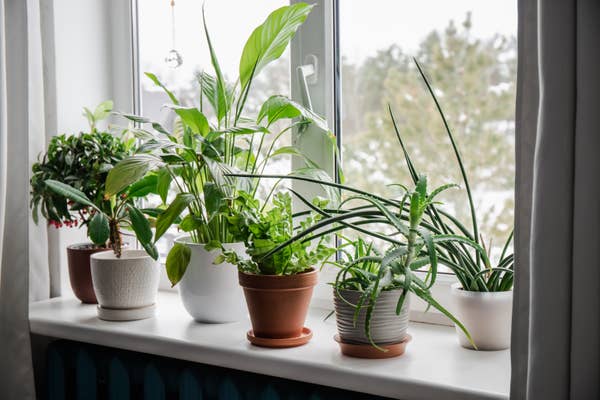
12. “Treated myself like a plant. Mechanical self-care. As a default, I ran through a list: Have I watered and fed myself? Moved my body? Gotten sunlight? Talked with another human and attempted a connection, even briefly? Not abused my body with things that regress self-care, like overly people-pleasing or having an overly caffeinated drink that would cause a crash? As a base, I did feel better, which gave me the energy and mental power to do other good things for myself. It cycles up when you’re consistent. Not everyone is great at consistency, but giving yourself grace and trying again is a skill that can be acquired, and it has helped me a lot personally.”
13. “Went to see a doctor to get my mental health issues addressed.”
14. “Went no contact with my entire family. Best decision I ever made for my mental health.”
15. “First instance: The day I planned to complete suicide, I spent hours ruminating about it. I had the means, the time, and a plan. I called a friend instead. We went to the park. He still doesn’t know he saved my life. I didn’t tell him, at least, but he’s very perceptive, so I wouldn’t be surprised if he already knew. Second instance: I went to a psychiatrist. I still have no idea where I gathered the strength to do that. I got diagnosed with depression and got medication. Life certainly isn’t breezy, but oh lord, is it better.”
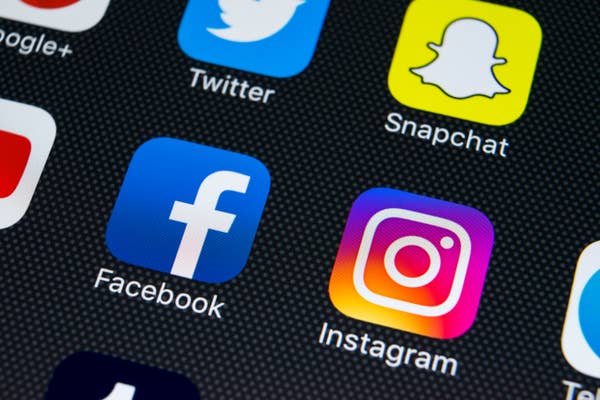
16. “Quit Facebook. It was the easiest and quickest substantial improvement in mental health I’ve ever had.”
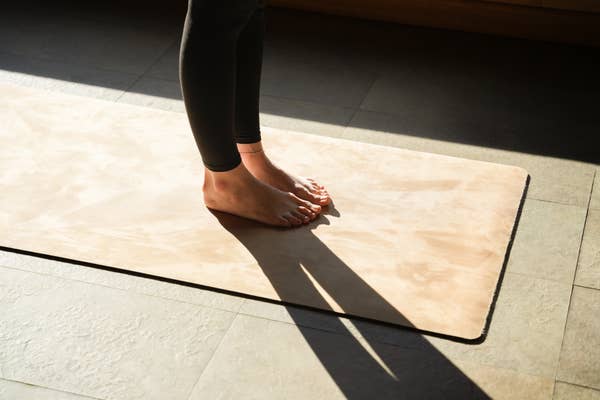
17. “Yoga. It does wonders for my anxiety.”
18. “Watch stand-up comedy each night before sleep.”
19. “Gaming and self-care basics: sunlight, exercise, diet, sleep, hobbies, a gratitude journal, cognitive behavioral therapy techniques, and a holiday.”
20. “Called each of my closest girlfriends at 11:30 p.m. until one answered, and sobbed openly while admitting I wasn’t feeling safe alone anymore. She listened and comforted me for an hour and, in her own way, helped me make a safety plan. I was at a crisis center the following day, getting my first round of antidepressants. It drastically improved my life.”
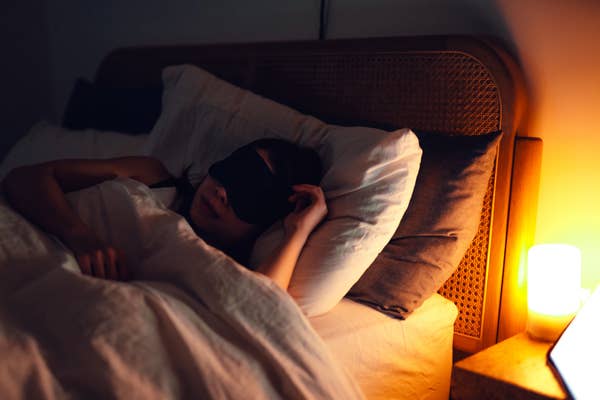
21. “Did my best to get enough sleep. Walking is good, but sleep is the game changer.”
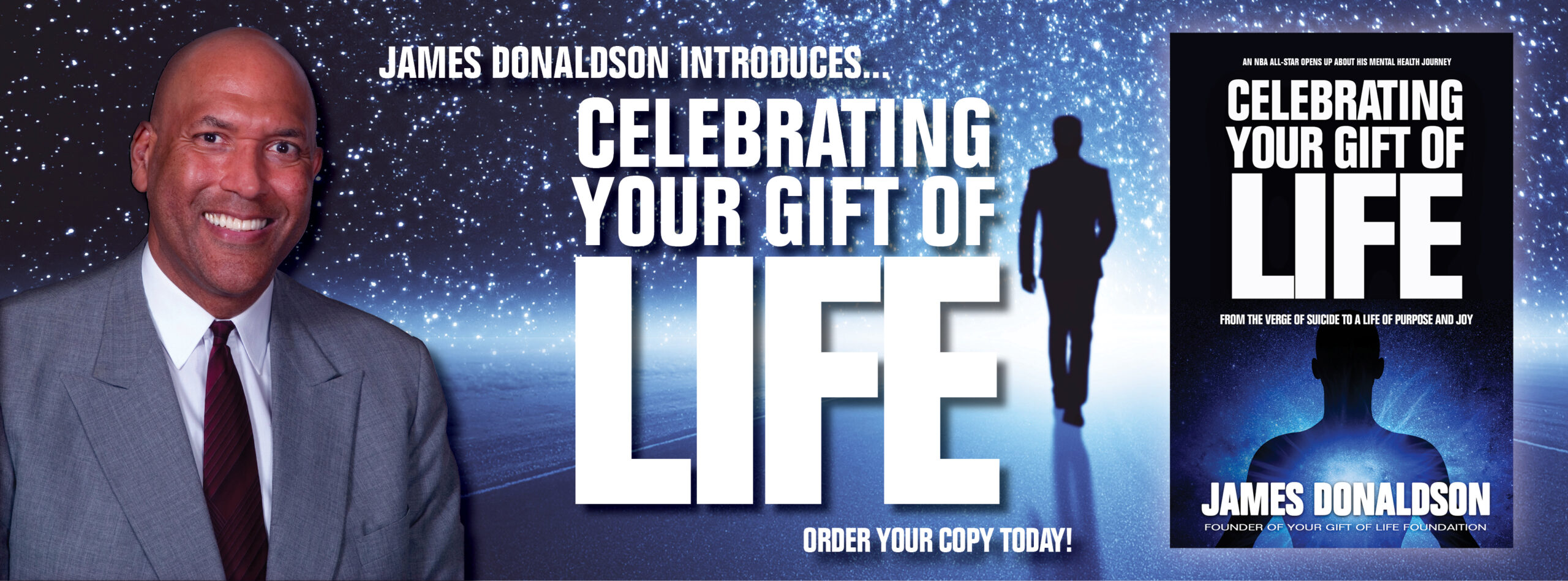
#James Donaldson notes: Welcome to the “next chapter” of my life… being a voice and an advocate for #mentalhealthawarenessandsuicideprevention, especially pertaining to our younger generation of students and student-athletes. Getting men to speak up and reach out for help and assistance is one of my passions. Us men need to not suffer in silence or drown our sorrows in alcohol, hang out at bars and strip joints, or get involved with drug use. Having gone through a recent bout of #depression and #suicidalthoughts myself, I realize now, that I can make a huge difference in the lives of so many by sharing my story, and by sharing various resources I come across as I work in this space.#http://bit.ly/JamesMentalHealthArticle Find out more about the work I do on my 501c3 non-profit foundation website www.yourgiftoflife.org Order your copy of James Donaldson’s latest book, #CelebratingYourGiftofLife: From The Verge of Suicide to a Life of Purpose and Joy
22. “I was dealing with a sudden onset of horrific, nonstop panic attacks, probably the culmination of way too much in my life. My New Year’s resolution that year was to shut down. I closed everything that wasn’t essential, socially. I had trusted people that I’d see occasionally, but outside of that, I woke up, went to work, came home, and repeated. No new social interactions. Like the Moby song: ‘I had to close down everything, I had to close down my mind. Too many things could cut me, too much could make me blind.’ For some people, this would be bad, obviously. But for me, it was a factory reset. It helped me reframe happiness into something more achievable. The only thing I had to look forward to each day was dinner, and I learned to get excited about that. It numbed the raw nerve I felt like, so everything wasn’t a trigger anymore. This isn’t something I’d recommend to everyone, but it worked for me.”
23. “I listened to the audiobook Spontaneous Happiness, and it changed my life. The easy steps you can implement into your daily life are ones I continue to do today, 15 years later.”
24. “Taking baths, buying a full set of Sherlock Holmes audiobooks, and listening to them in the tub. Love it.”
25. “I took Facebook and Instagram off my phone. I kept my accounts, but only on my laptop, and set strict limits. I got rid of TikTok altogether. It helped more than I can say.”
26. “Reminding myself that hope springs eternal and that things are evolving. As the sun rises, a new day is an opportunity to change something. Reminding myself of what I can and can’t control. And faking it until it works. Have the shower. Wash your face. Get fresh air. One foot in front of the other. And getting therapy. It wasn’t easy, but it was worth every struggle. Change happens. Taking a tiny step and taking control, that was key.”
27. “Take a shower. It was awful in the beginning, but I did feel better by the end.”
28. “I stopped smoking weed. I was a daily, all-day user. My ability to make dopamine was so atrophied that nothing made me feel good, except the weed, and then only for five to 10 minutes before the negative side effects took over: paranoia, demotivation, depression. It’s counterintuitive, but now that I’ve been clean for several months, my ability to feel good after a decent meal, a hot shower, or watching a sunset has started to return. I won’t lie. None of these was easy.”
If you’re going through something similar, you’re not alone — and you don’t have to figure it out all at once. Sometimes progress looks like asking for help. Sometimes it looks like showing up for yourself in small, quiet ways. And sometimes it starts with reading a story that reminds you that change, however slow, is possible.
Dial 988 in the United States to reach the National Suicide Prevention Lifeline. The 988 Lifeline is available 24/7/365. Your conversations are free and confidential. Other international suicide helplines can be found at befrienders.org. The Trevor Project, which provides help and suicide-prevention resources for LGBTQ youth, is 1-866-488-7386.
The National Alliance on Mental Illness helpline is 1-800-950-6264 (NAMI) and provides information and referral services; GoodTherapy.org is an association of mental health professionals from more than 25 countries who support efforts to reduce harm in therapy.