In recent years, the conversation around mental health has gained significant momentum. However, when it comes to men’s mental health, there still remain numerous barriers that prevent open discussions and healing. This blog post aims to shed light on these barriers, discuss the importance of addressing them, and offer strategies for overcoming them.
Table of Contents
1. Introduction
2. Understanding the Stigma
3. The Impact of Societal Expectations
4. Recognizing the Signs
5. Encouraging Open Conversations
6. Support Systems and Resources
7. Conclusion
8. FAQs
Understanding the Stigma
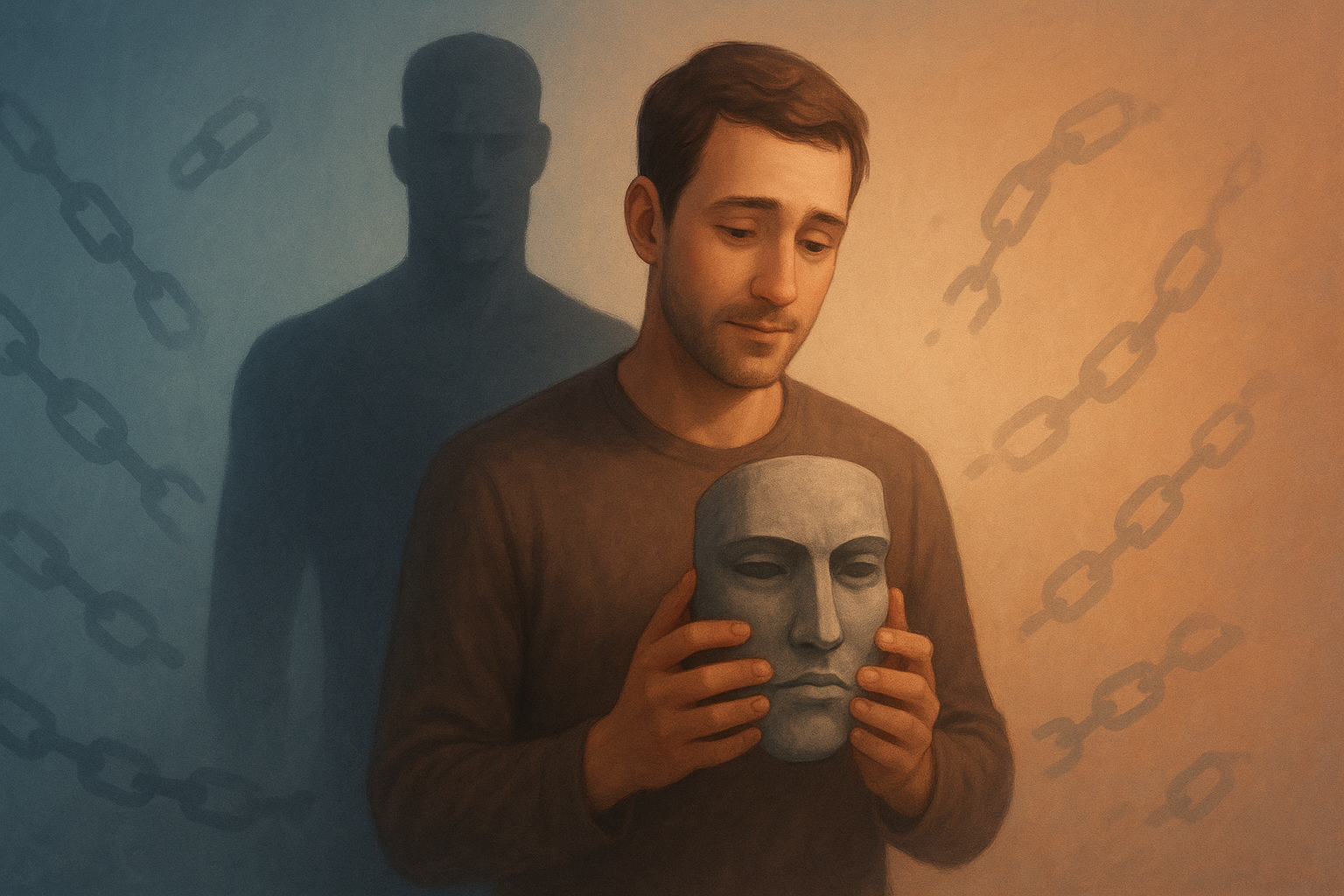
For generations, there has been a pervasive stigma surrounding men’s mental health, often fueled by the belief that showing vulnerability is a sign of weakness. This stigma discourages men from expressing their emotions and seeking help, perpetuating a cycle of silence and suffering. To break down these barriers, it’s crucial to understand where these stigmas originate and how they can be dismantled.
The Impact of Societal Expectations
Men often face societal pressures to conform to traditional masculine roles, which can inhibit emotional expression. The expectation to be ‘strong’ and ‘stoic’ can prevent men from acknowledging their mental health struggles. This section will explore how these expectations affect mental health and why it’s vital to redefine masculinity to include the expression of emotions and vulnerability.
#James Donaldson notes: Welcome to the “next chapter” of my life… being a voice and an advocate for #mentalhealthawarenessandsuicideprevention, especially pertaining to our younger generation of students and student-athletes. Getting men to speak up and reach out for help and assistance is one of my passions. Us men need to not suffer in silence or drown our sorrows in alcohol, hang out at bars and strip joints, or get involved with drug use. Having gone through a recent bout of #depression and #suicidalthoughts myself, I realize now, that I can make a huge difference in the lives of so many by sharing my story, and by sharing various resources I come across as I work in this space.#http://bit.ly/JamesMentalHealthArticle Find out more about the work I do on my 501c3 non-profit foundation website www.yourgiftoflife.org Order your copy of James Donaldson’s latest book, #CelebratingYourGiftofLife: From The Verge of Suicide to a Life of Purpose and Joy
Understanding and recognizing the signs of mental health issues is the first step towards seeking help. Men may experience symptoms differently, often manifesting as physical symptoms, irritability, or changes in behavior rather than sadness or anxiety. By learning to identify these signs, men can take proactive steps towards addressing their mental health.
Encouraging Open Conversations
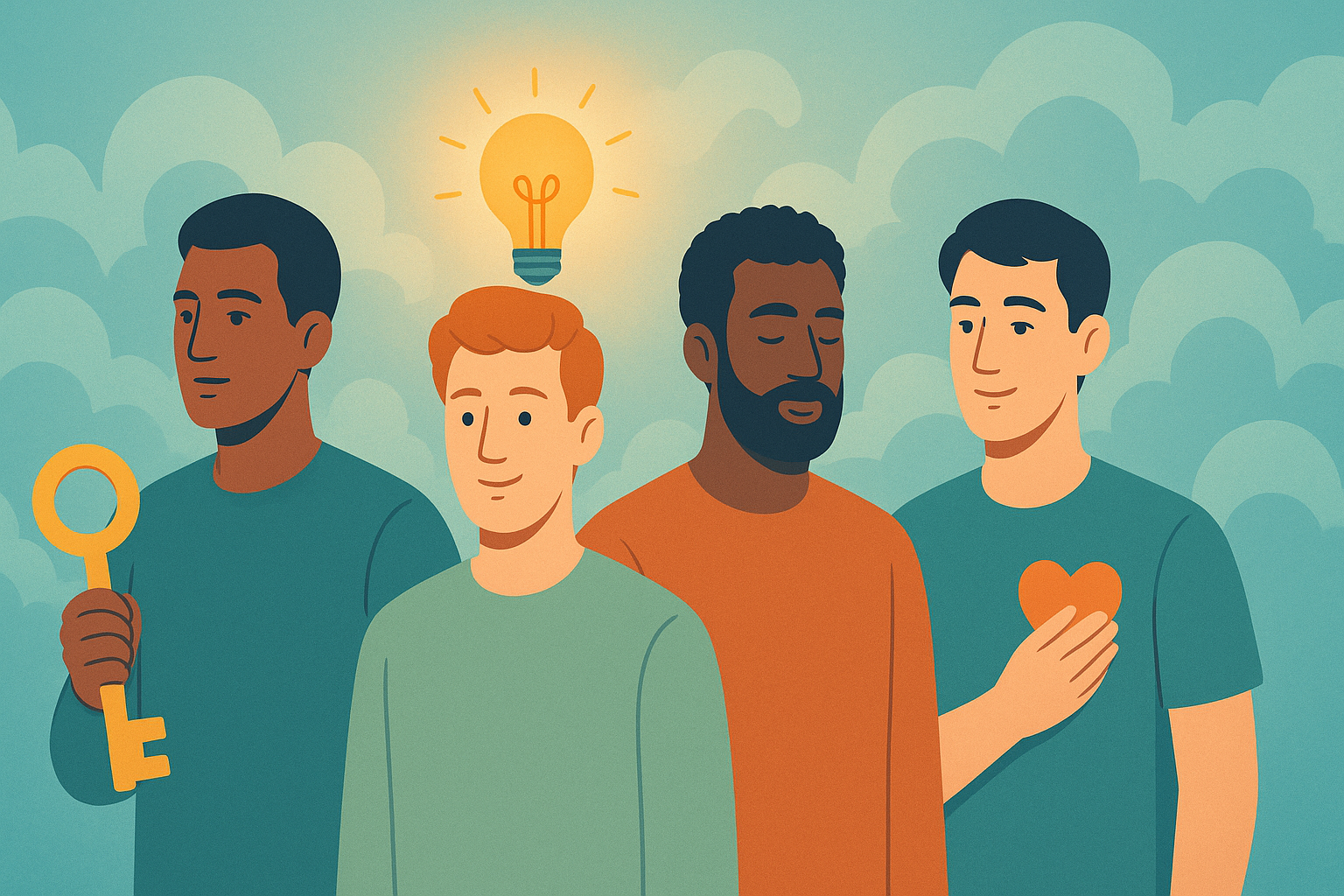
Creating a safe space for open conversations about mental health is essential for breaking down barriers. Encouraging dialogue among friends, family, and within communities can foster an environment where men feel comfortable sharing their experiences. This section will provide tips on how to initiate these conversations and support those who may be struggling.
Support Systems and Resources
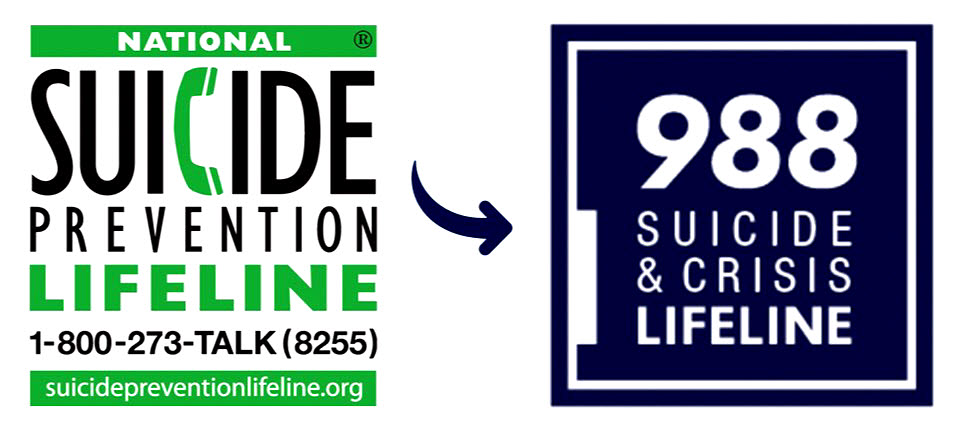
There are numerous resources available for men seeking help with their mental health. From therapy and support groups to mental health apps and hotlines, men have various options for finding support. Highlighting these resources, this section will guide readers on how to access help and build a supportive network.
Conclusion
Breaking down the barriers surrounding men’s mental health is a crucial step towards fostering a healthier society. By challenging stigmas, redefining societal expectations, and encouraging open conversations, men can begin to prioritize their mental well-being. Remember, seeking help is not a sign of weakness, but a courageous step towards healing and growth.
FAQs
Q: Why is men’s mental health often overlooked?
A: Men’s mental health is often overlooked due to societal stigmas and expectations that discourage emotional expression and vulnerability.
Q: How can I support a friend who may be struggling with their mental health?
A: Listen without judgment, encourage them to seek professional help, and offer your support by being present and understanding.
Q: Are there specific resources for men’s mental health?
A: Yes, there are several resources specifically tailored for men, including support groups, therapy options, and mental health organizations focused on men’s well-being.