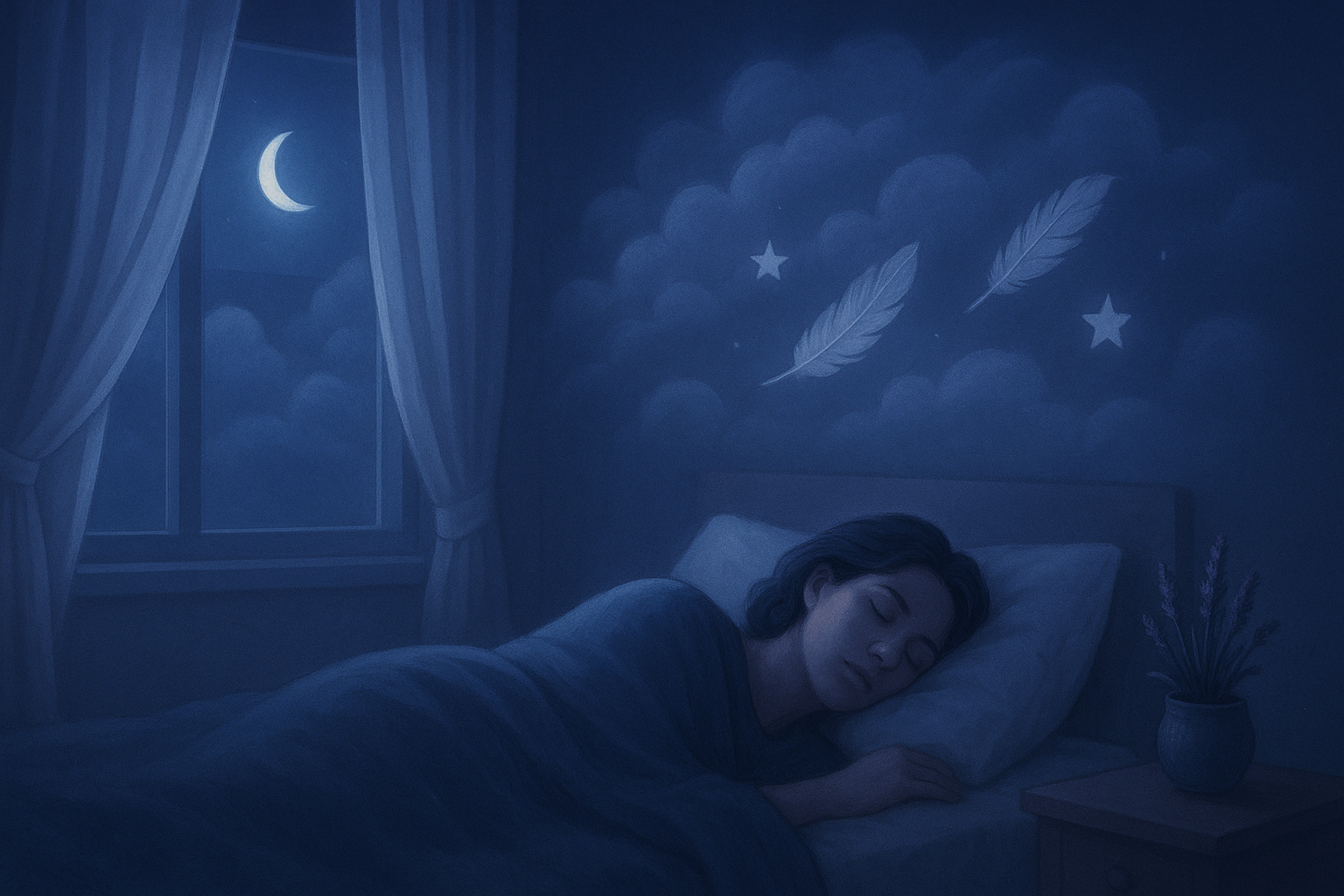
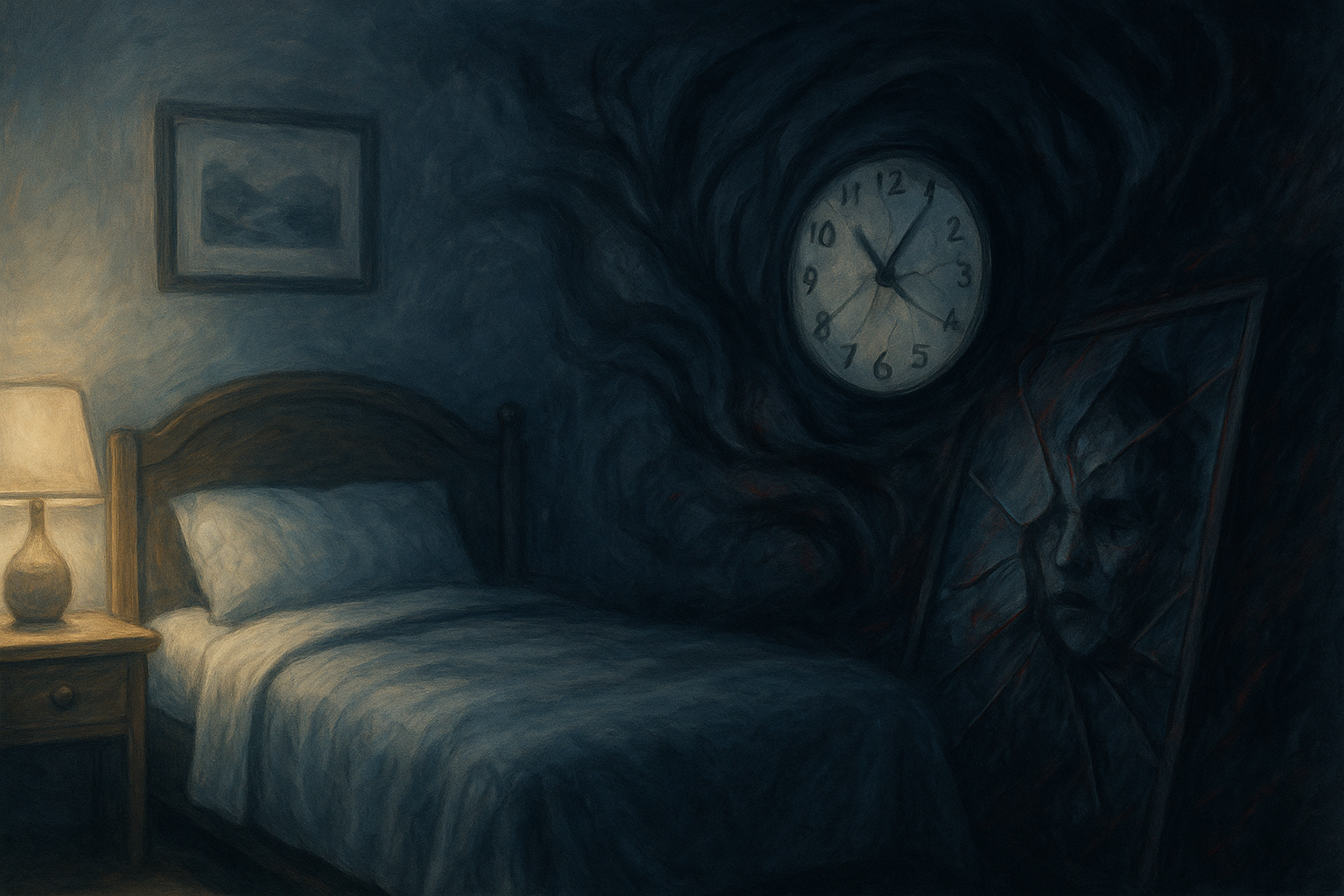
Post-Traumatic Stress Disorder (PTSD) is a complex condition that can significantly impact various aspects of life, particularly sleep. Many individuals with PTSD experience sleep disorders, which can further exacerbate their symptoms. Understanding the connection between PTSD and sleep disorders is crucial for finding effective strategies to improve rest and overall quality of life. In this blog post, we’ll explore this connection and offer practical tips for better sleep.
Table of Contents
1. Introduction to PTSD and Sleep Disorders
2. How PTSD Affects Sleep
3. Common Sleep Disorders in PTSD Patients
4. Tips for Better Sleep with PTSD
5. Conclusion
6. FAQs
Introduction to PTSD and Sleep Disorders
PTSD is a mental health condition triggered by experiencing or witnessing a traumatic event. It can lead to a range of symptoms, including flashbacks, severe anxiety, and uncontrollable thoughts about the event. Sleep disorders are common among individuals with PTSD, making it challenging to maintain a healthy sleep pattern. Understanding the interplay between PTSD and sleep disorders is the first step towards addressing these issues.
How PTSD Affects Sleep
PTSD can affect sleep in several ways. The heightened state of arousal associated with PTSD often makes it difficult for individuals to relax and fall asleep. Nightmares and intrusive thoughts can lead to frequent awakenings, reducing the overall quality of sleep. This lack of restorative sleep can further intensify PTSD symptoms, creating a vicious cycle that is hard to break.
Common Sleep Disorders in PTSD Patients
Many people with PTSD experience specific sleep disorders, such as:
Insomnia
Insomnia is the most prevalent sleep disorder among PTSD patients. It involves difficulty falling asleep, staying asleep, or waking up too early and not being able to get back to sleep. The constant state of alertness and anxiety can make it hard to achieve restful sleep.
Nightmares
Recurrent nightmares related to the traumatic event are a hallmark symptom of PTSD. These nightmares can be so vivid and distressing that they cause frequent awakenings, leading to fragmented sleep.
Sleep Apnea
While not directly caused by PTSD, sleep apnea is a condition that can coexist with PTSD. The repeated interruptions in breathing can lead to poor sleep quality and exacerbate PTSD symptoms.
#James Donaldson notes: Welcome to the “next chapter” of my life… being a voice and an advocate for #mentalhealthawarenessandsuicideprevention, especially pertaining to our younger generation of students and student-athletes. Getting men to speak up and reach out for help and assistance is one of my passions. Us men need to not suffer in silence or drown our sorrows in alcohol, hang out at bars and strip joints, or get involved with drug use. Having gone through a recent bout of #depression and #suicidalthoughts myself, I realize now, that I can make a huge difference in the lives of so many by sharing my story, and by sharing various resources I come across as I work in this space.#http://bit.ly/JamesMentalHealthArticle Find out more about the work I do on my 501c3 non-profit foundation website www.yourgiftoflife.org Order your copy of James Donaldson’s latest book, #CelebratingYourGiftofLife: From The Verge of Suicide to a Life of Purpose and Joy
Improving sleep quality is crucial for managing PTSD symptoms. Here are some strategies that might help:
Establish a Consistent Sleep Routine
Going to bed and waking up at the same time every day can help regulate your body’s internal clock. This consistency can improve sleep quality over time.
Create a Relaxing Bedtime Environment
Make your bedroom a sanctuary for sleep. Keep it dark, cool, and quiet. Consider using white noise machines or blackout curtains to minimize disturbances.
Practice Relaxation Techniques
Incorporate relaxation techniques such as deep breathing, meditation, or progressive muscle relaxation into your bedtime routine. These practices can help reduce anxiety and prepare your body for sleep.
Limit Exposure to Screens
The blue light emitted by phones, tablets, and computers can interfere with your body’s natural sleep-wake cycle. Try to avoid screens at least one hour before bedtime.
Seek Professional Help
If sleep problems persist, it may be helpful to consult a healthcare provider. Cognitive Behavioral Therapy for Insomnia (CBT-I) and other therapeutic approaches can be effective in treating PTSD-related sleep disorders.
Conclusion
Sleep is a critical component of overall health, especially for individuals dealing with PTSD. By understanding the relationship between PTSD and sleep disorders, you can implement strategies to improve your sleep quality. Remember, making small adjustments to your sleep habits and seeking professional help can make a significant difference in managing PTSD symptoms and enhancing your quality of life.
FAQs
Q: Can PTSD-related sleep disorders be completely cured?
A: While there is no guaranteed cure for sleep disorders associated with PTSD, many individuals find relief through a combination of therapy, medication, and lifestyle changes.
Q: How long does it take to see improvement in sleep patterns with PTSD?
A: Improvements can vary from person to person. Some may notice changes in a few weeks, while for others, it may take longer. Consistency with sleep habits and therapy is key.
Q: Are there any natural remedies for PTSD-related sleep issues?
A: Some people find relief using natural remedies like herbal supplements (e.g., valerian root or chamomile), aromatherapy, or acupuncture. However, it’s essential to consult with a healthcare provider before trying these alternatives.