PTSD in the Veteran Community: Support and Resources
Post-Traumatic Stress Disorder (PTSD) is a significant concern within the veteran community. This often misunderstood condition can severely impact the lives of those who have served in the military. Fortunately, there are numerous support systems and resources available to help veterans navigate the challenges of PTSD.
Table of Contents
1. Understanding PTSD in Veterans
2. Symptoms of PTSD
3. Support Systems for Veterans
4. Available Resources for PTSD
5. How Family and Friends Can Help
6. Conclusion
7. FAQs
Understanding PTSD in Veterans
PTSD is a mental health condition triggered by experiencing or witnessing a terrifying event. For veterans, these events often occur in combat situations where they are exposed to traumatic experiences. Understanding PTSD is the first step towards managing it effectively.
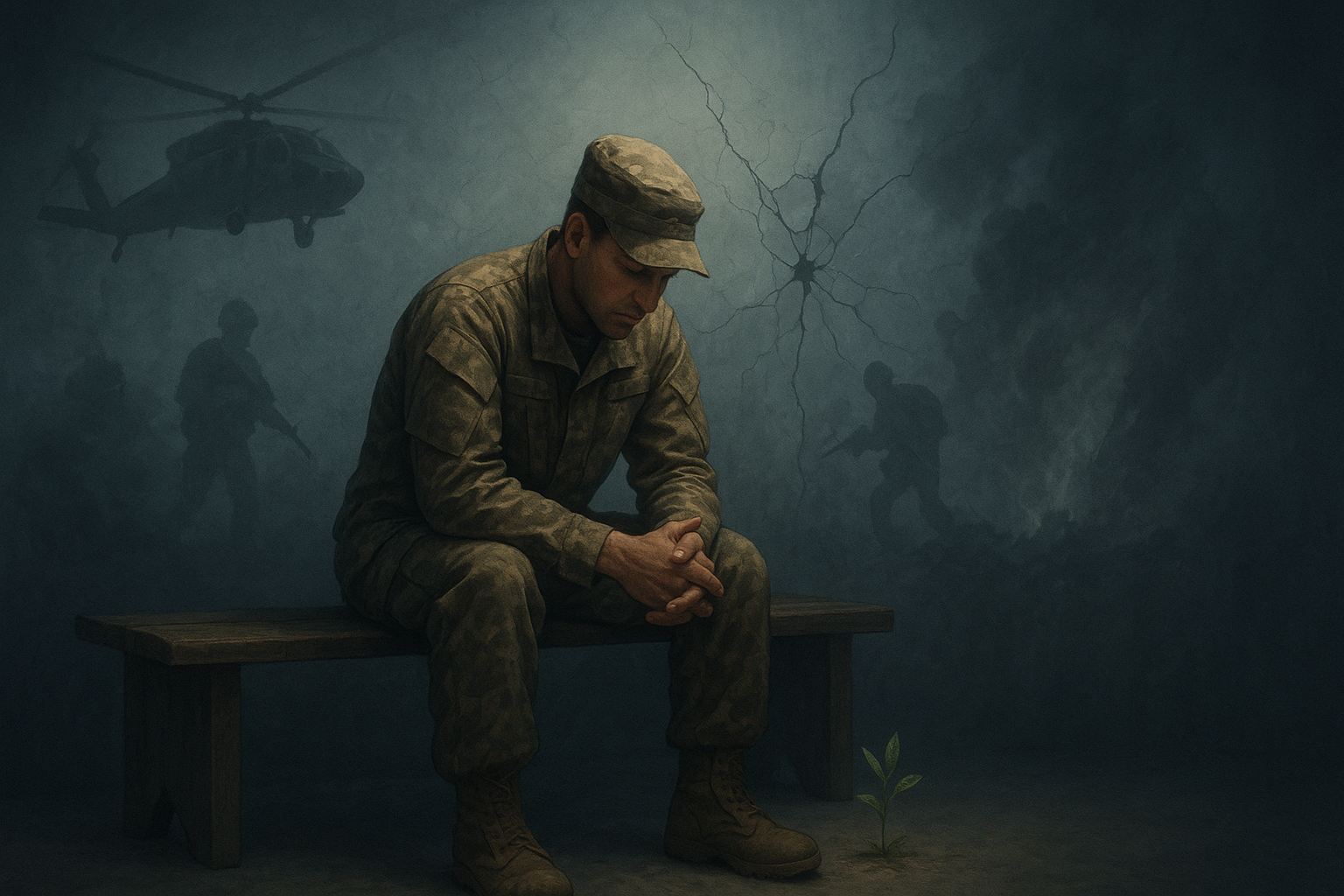
Veterans may experience PTSD differently than civilians due to the unique nature of military service. The high-pressure environment, exposure to life-threatening situations, and the need to make split-second decisions can all contribute to the development of PTSD.
Symptoms of PTSD
Recognizing the symptoms of PTSD is crucial for early intervention. Common symptoms include:
Intrusive Memories: Veterans may experience flashbacks, nightmares, or distressing thoughts related to their traumatic experiences.
Avoidance: This includes steering clear of places, activities, or people that remind them of the traumatic event.
Negative Changes in Thinking and Mood: This can manifest as feelings of hopelessness, emotional numbness, or difficulty maintaining relationships.
Changes in Physical and Emotional Reactions: Veterans might experience being easily startled, always on guard, or having difficulty concentrating and sleeping.
Support Systems for Veterans
Support systems play a critical role in helping veterans manage PTSD. The Department of Veterans Affairs (VA) offers numerous programs designed specifically for veterans.
VA Medical Centers: These centers provide a range of services, including mental health care tailored to the needs of veterans with PTSD.
Vet Centers: Community-based counseling centers offer support and guidance to veterans and their families.
Peer Support Groups: Sharing experiences with fellow veterans can be incredibly therapeutic. Many communities have local support groups where veterans can connect and share their stories in a safe environment.
Available Resources for PTSD
Numerous resources are available to assist veterans in managing PTSD, many of which are accessible online or through local organizations.
National Center for PTSD: This organization provides extensive information and resources on PTSD, including self-help tools and educational materials.
VA PTSD Treatment Programs: These programs offer specialized treatment options, ranging from therapy and medication to innovative approaches like animal-assisted therapy.
Online Support Networks: Websites like Make the Connection offer online communities where veterans can share their experiences and find support.
How Family and Friends Can Help
Family and friends are vital in supporting a veteran with PTSD. Understanding and empathy go a long way in creating a supportive environment.
Educate Yourself: Learning about PTSD can help you understand what your loved one is going through and how best to support them.
Be Patient and Available: Encourage open communication and be available to listen without judgment. Sometimes, simply being there is the most profound support you can offer.
Encourage Professional Help: Gently encourage your loved one to seek professional help if they haven’t already. Professional guidance can provide strategies and tools to manage PTSD effectively.
Conclusion
PTSD is a challenging condition, but with the right support and resources, veterans can lead fulfilling lives. Understanding the symptoms, utilizing available resources, and fostering strong support systems are essential steps in managing PTSD. Let us stand by our veterans, offering them the compassion and understanding they deserve as they navigate this journey.
FAQs
Q: What causes PTSD in veterans?
A: PTSD in veterans is often caused by exposure to traumatic events during military service, such as combat, witnessing death, or experiencing life-threatening situations.
Q: Are there effective treatments for PTSD?
A: Yes, there are several effective treatments for PTSD, including cognitive-behavioral therapy (CBT), medication, and eye movement desensitization and reprocessing (EMDR).
Q: How can I support a veteran with PTSD?
A: You can support a veteran with PTSD by educating yourself about the condition, being available to listen, encouraging professional help, and creating a supportive environment.
Q: Is PTSD curable?
A: While PTSD may not be “curable” in the traditional sense, many veterans manage their symptoms effectively and lead fulfilling lives through treatment and support.