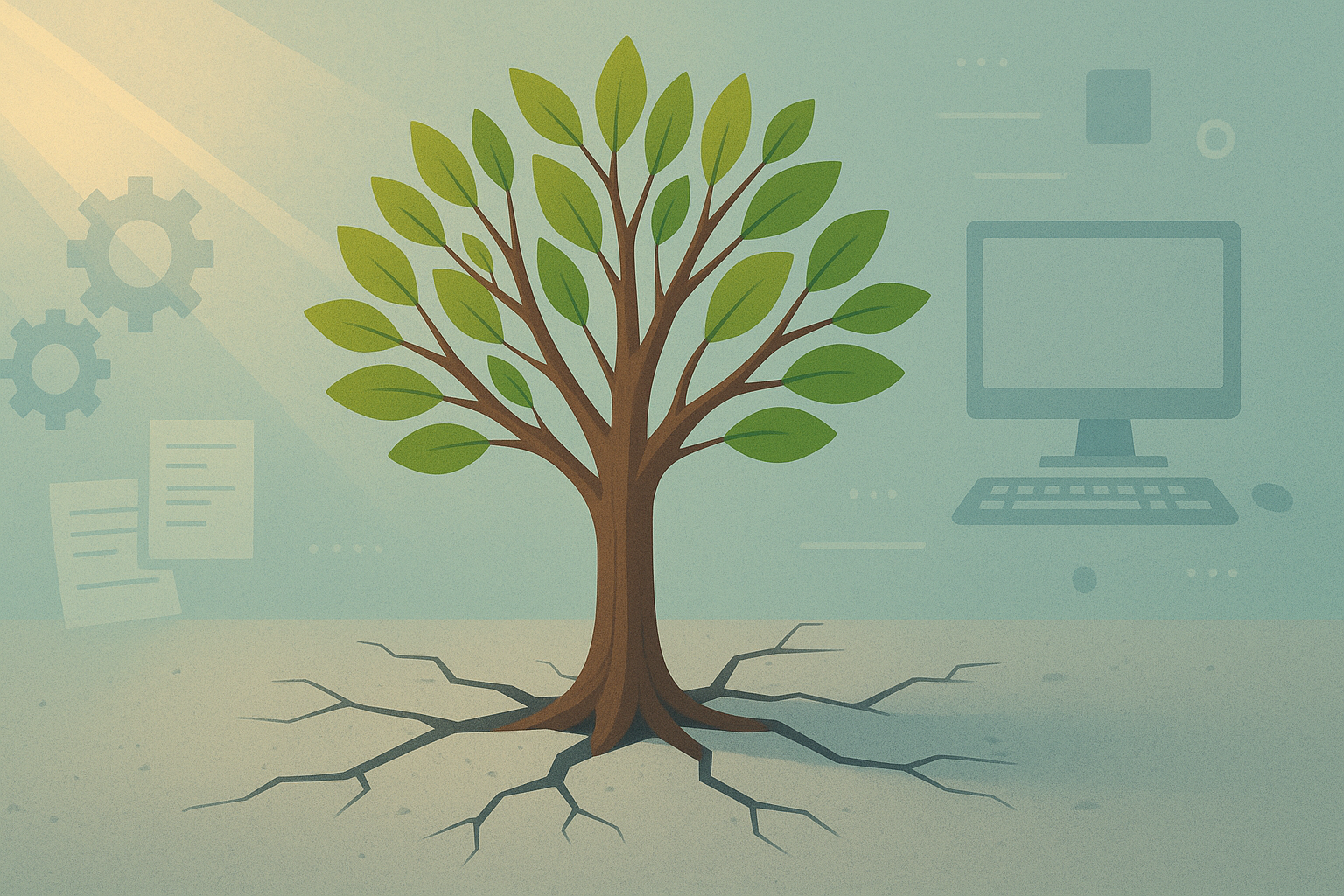
Resilience in the Workplace: Overcoming Challenges
In today’s fast-paced world, resilience in the workplace has become an essential trait for success. Navigating the ever-changing landscape of professional life requires not only skills and knowledge but also the ability to bounce back from setbacks. In this blog post, we’ll explore the importance of resilience, strategies to build it, and how it can help you overcome challenges at work.
Table of Contents
1. Introduction
2. The Importance of Resilience
3. Building Resilience in the Workplace
4. Overcoming Challenges with Resilience
5. Conclusion
6. FAQs
Introduction
Resilience is often described as the capacity to recover quickly from difficulties. In the workplace, this means maintaining a positive outlook and staying productive even in the face of adversity. Whether it’s dealing with a demanding project, navigating office politics, or adapting to changes in the industry, resilience can be the key to turning potential failures into opportunities for growth.

The Importance of Resilience
Why is resilience so crucial in the workplace? For starters, it fosters a healthier work environment. Employees who are resilient tend to handle stress better, leading to lower absenteeism and higher productivity. Moreover, resilient individuals are often more innovative, as they are not afraid to take risks and learn from their mistakes.
Resilience also enhances teamwork. When team members support each other through challenging times, it builds trust and camaraderie, strengthening the group’s overall performance. Additionally, resilient leaders inspire their teams to stay motivated and focused, even when facing setbacks.
Building Resilience in the Workplace
Building resilience is an ongoing process and can be cultivated through various strategies:
1. Cultivate a Growth Mindset
Adopting a growth mindset means viewing challenges as opportunities to learn and grow. Embrace failures as stepping stones to success and encourage continuous learning and development.
2. Develop Strong Relationships
Having a support network at work is crucial. Foster strong relationships with colleagues by being approachable, empathetic, and supportive. These connections can provide emotional support and practical advice during tough times.
3. Practice Self-Care
Taking care of your physical and mental well-being is vital for building resilience. Ensure you get enough rest, exercise regularly, and engage in activities that help you relax and recharge.
4. Embrace Change
Change is inevitable in the workplace. Instead of resisting it, try to embrace it. Be open to new ideas and approaches, and view change as an opportunity for improvement.
Overcoming Challenges with Resilience
Resilience can significantly impact how you handle workplace challenges:
1. Managing Stress
Resilient individuals are better equipped to manage stress. They tend to remain calm under pressure and can quickly adapt to changing circumstances, ensuring that stress does not impact their performance.
2. Problem-Solving
With a resilient mindset, problem-solving becomes more efficient. You’re more likely to approach issues with a clear head, consider multiple solutions, and make informed decisions.
3. Maintaining Motivation
Resilience helps maintain motivation even when the going gets tough. It empowers you to keep pushing forward, set realistic goals, and celebrate small victories along the way.
Conclusion
Resilience in the workplace is not just a nice-to-have trait; it’s a necessity in today’s ever-changing professional landscape. By cultivating resilience, you can navigate challenges, enhance your productivity, and contribute positively to your work environment. Remember, resilience is a skill that can be developed over time, and with the right mindset and strategies, you can become more resilient and thrive in your career.
FAQs
Q: Can resilience be learned, or is it an innate trait?
A: Resilience can certainly be learned and developed. While some people may naturally be more resilient, anyone can cultivate this trait through practice and effort.
Q: How does resilience affect leadership in the workplace?
A: Resilient leaders can better navigate challenges, inspire their teams, and maintain a positive work environment. Their ability to bounce back from setbacks sets an example for others to follow.
Q: What role does resilience play in handling workplace change?
A: Resilience helps individuals adapt to change more effectively. It encourages a positive outlook and openness to new opportunities, making transitions smoother and less stressful.