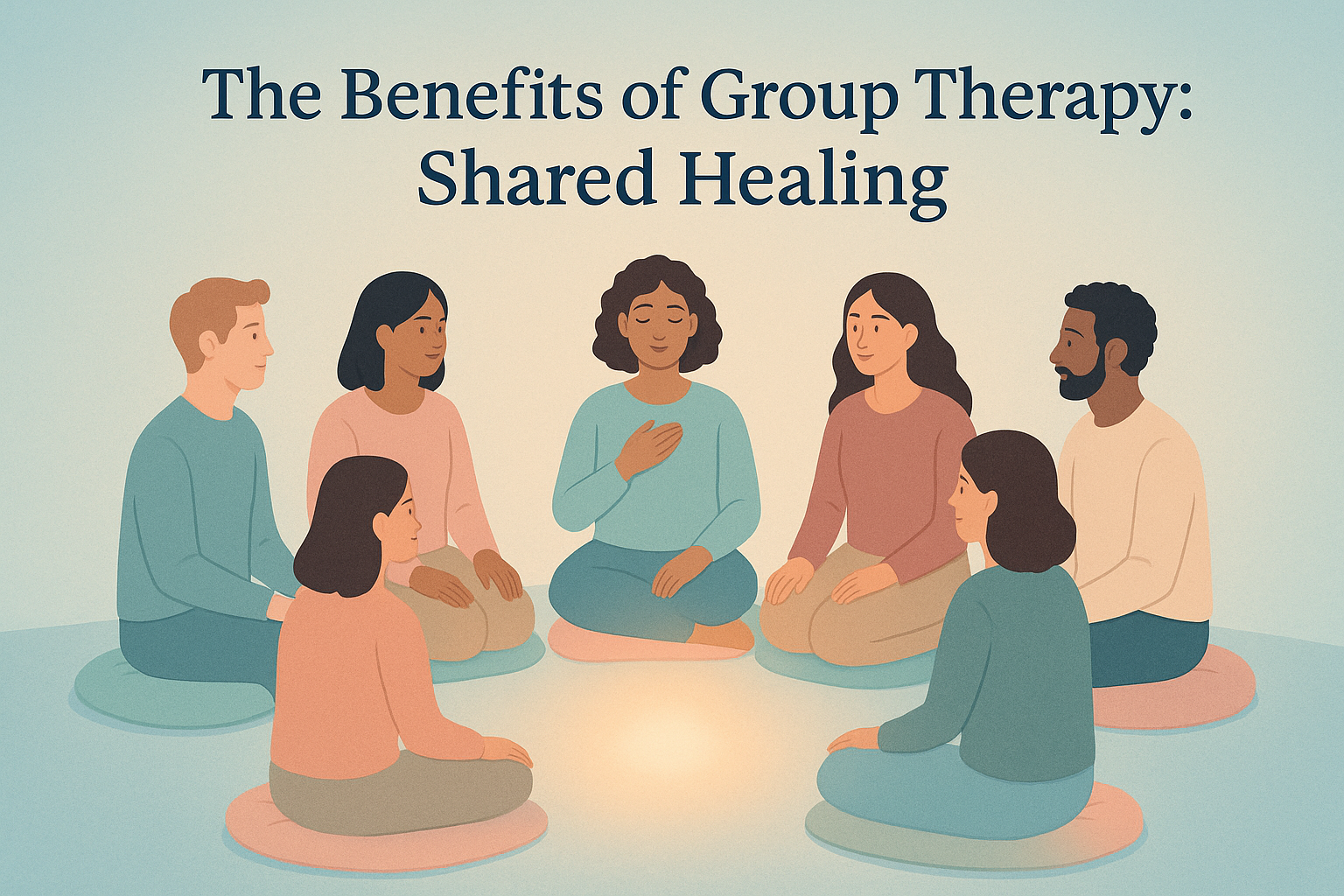
The Benefits of Group Therapy: Shared Healing
In a fast-paced world where personal connections can sometimes feel fleeting, group therapy emerges as a beacon of shared healing. Whether you’re navigating life’s transitions, dealing with mental health challenges, or simply seeking a place to share and grow, group therapy offers a unique environment for healing and personal development. In this blog post, we’ll delve into the numerous benefits of group therapy, exploring how shared experiences can foster resilience, understanding, and personal growth.
Table of Contents
1. Introduction
2. Understanding Group Therapy
3. The Power of Shared Experiences
4. Building a Support Network
5. Developing Communication Skills
6. Gaining Different Perspectives
7. Accountability and Motivation
8. Conclusion
9. FAQs
Understanding Group Therapy
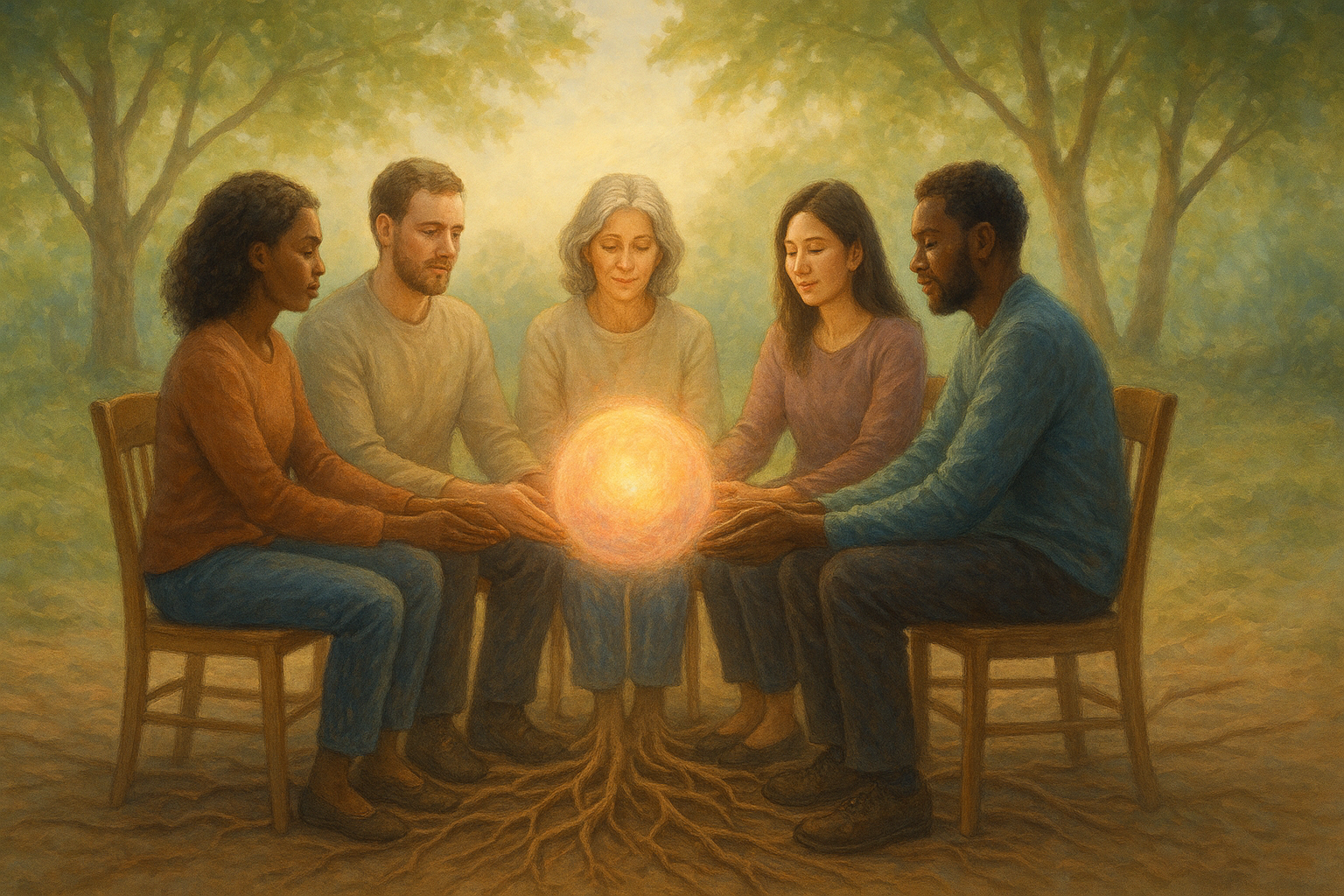
Group therapy is a form of psychotherapy where a small group of individuals meets regularly to discuss and work through common issues under the guidance of a trained therapist. Unlike individual therapy, group therapy leverages the power of collective experiences and insights. Participants often find solace in shared stories and emotions, realizing they are not alone in their struggles.
The Power of Shared Experiences
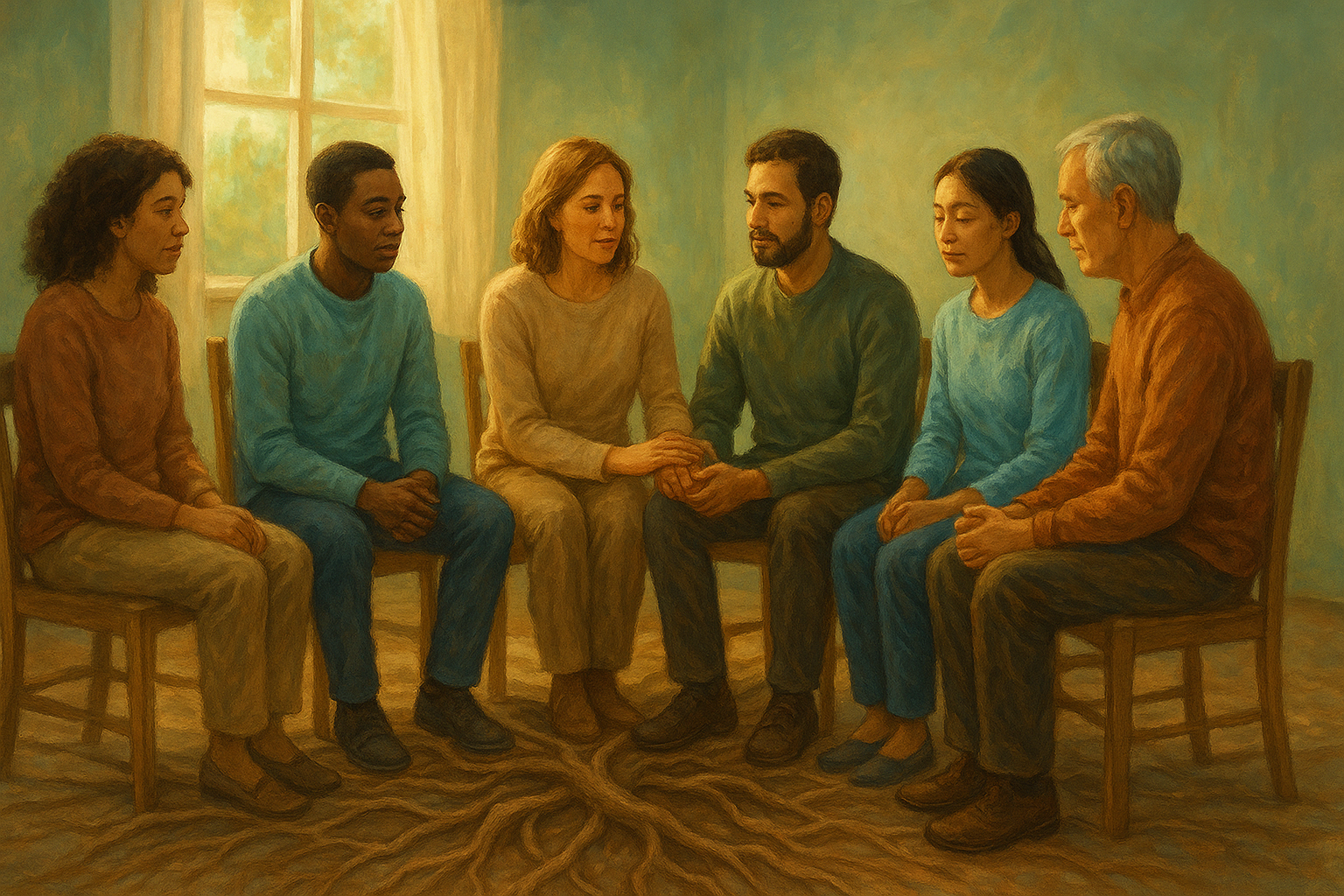
One of the most profound benefits of group therapy is the realization that others face similar challenges. This shared understanding can be incredibly validating, helping individuals feel less isolated. Hearing others articulate feelings and experiences that mirror your own can create a sense of camaraderie and belonging. In these moments, participants often experience a significant reduction in feelings of loneliness and anxiety.
Building a Support Network
Group therapy creates a nurturing environment where trust and empathy are cultivated. Participants often form strong bonds, providing each other with emotional support both during and outside of sessions. This network can become a crucial component of one’s support system, offering encouragement and understanding in times of need. As relationships deepen, individuals may find themselves more willing to open up and share, further enhancing the therapeutic process.
Developing Communication Skills
Effective communication is a cornerstone of healthy relationships, and group therapy offers a safe space to practice these skills. Participants learn to articulate their thoughts and feelings clearly, listen actively, and provide constructive feedback. These skills are not only beneficial within the group but also translate into everyday interactions, improving relationships with family, friends, and colleagues.
Gaining Different Perspectives
In group therapy, individuals are exposed to a diversity of perspectives and coping strategies. This exposure can inspire new ways of thinking and problem-solving. By hearing how others handle similar issues, participants may discover alternative approaches that they hadn’t considered. This broadening of perspectives can lead to personal growth and enhanced emotional resilience.
Accountability and Motivation
Being part of a group fosters a sense of accountability. Participants are encouraged to set personal goals and share their progress with the group. This collective accountability can be a powerful motivator, as individuals are more likely to follow through on commitments when they know others are supporting and expecting updates. The encouragement and positive reinforcement from the group can boost confidence and self-esteem, propelling individuals toward achieving their goals.
Conclusion
Group therapy offers a unique and effective approach to healing and personal development. Through shared experiences, a supportive network, and diverse perspectives, participants can achieve significant emotional growth and healing. Whether you’re struggling with a specific issue or simply seeking personal development, group therapy can provide the tools and community needed to foster positive change. If you’re considering therapy, exploring group options might just be the transformative experience you’re looking for.
FAQs
What is the typical size of a group therapy session?
Group therapy sessions typically consist of 5 to 15 participants, creating an intimate setting where everyone can share and contribute.
How long do group therapy sessions last?
Sessions usually last between 60 to 90 minutes, depending on the group and the specific focus of the therapy.
Do I need to share personal details in group therapy?
While sharing is encouraged, participants are not required to disclose anything they are uncomfortable with. The group is a safe space, and sharing is at each individual’s discretion.
Can I join group therapy if I’m already in individual therapy?
Yes, many people find that group therapy complements their individual sessions, offering additional perspectives and support.
Embarking on a group therapy journey can be a transformative experience, unlocking new pathways to healing and self-discovery. Consider taking this step towards shared healing and personal growth.