The Benefits of Volunteering for Mental Health
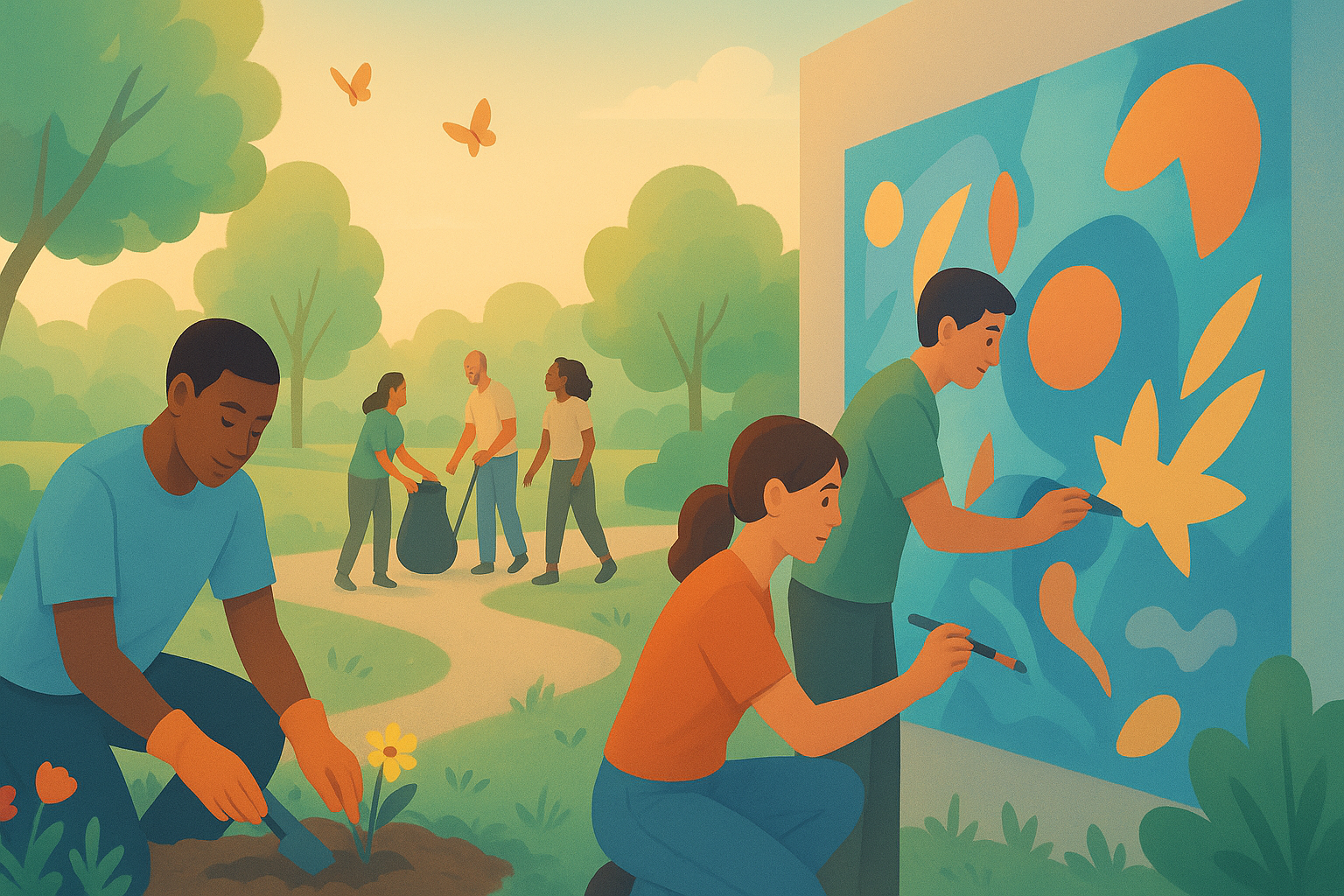
In today’s fast-paced world, mental health has become a critical topic of discussion. With increasing awareness, people are continually looking for ways to enhance their mental well-being. One often overlooked method is volunteering. Engaging in acts of service not only benefits the community but also significantly boosts mental health. Exploring the multifaceted advantages of volunteering can provide insights into how giving back improves our emotional and psychological health.
Table of Contents
1. Introduction
2. The Connection Between Volunteering and Mental Health
3. Building a Sense of Purpose
4. Reducing Stress and Anxiety
5. Enhancing Social Connections
6. Boosting Self-Esteem and Confidence
7. Conclusion
8. Frequently Asked Questions (FAQs)
The Connection Between Volunteering and Mental Health
Volunteering is more than just an altruistic endeavor; it’s a powerful tool for personal growth and mental health improvement. Studies have shown that engaging in volunteer activities can lead to lower rates of depression and anxiety. But how exactly does volunteering impact mental health? The answer lies in the combination of psychological, social, and biological benefits that volunteering offers.
Building a Sense of Purpose
One of the most profound benefits of volunteering is the sense of purpose it provides. Many individuals, especially those who are retired or unemployed, often struggle with finding meaning in their daily lives. Volunteering offers a structured way to use your skills and talents, creating a sense of accomplishment and purpose. When you contribute to a cause, you feel needed and valued, which significantly boosts mental well-being.
Reducing Stress and Anxiety
Engaging in volunteer work can be a fantastic way to reduce stress and anxiety. When you focus on helping others, it diverts your mind from personal worries and stressors. The act of giving back releases dopamine—a natural mood enhancer—in the brain, leading to feelings of happiness and relaxation. Moreover, having a regular volunteer schedule can provide a sense of routine and stability, further reducing anxiety levels.

Enhancing Social Connections
Volunteering offers numerous opportunities to meet new people and build meaningful relationships. Social connections are vital for mental health, serving as a support system during challenging times. Volunteering connects you with a network of like-minded individuals, fostering friendships and reducing feelings of loneliness and isolation. These interactions can lead to improved mood and a more positive outlook on life.
Boosting Self-Esteem and Confidence
Helping others can do wonders for your self-esteem and confidence. By volunteering, you’re demonstrating your ability to make a difference, which reinforces your self-worth. Achieving small successes through volunteer work can build confidence, encouraging you to take on new challenges and set personal goals. This boost in self-esteem contributes to a healthier, more resilient mental state.
Conclusion
Volunteering is a powerful, yet often underestimated, avenue for enhancing mental health. Beyond the immediate feel-good factor, it offers long-term benefits such as a sense of purpose, reduced stress, enhanced social networks, and improved self-esteem. Whether you’re looking to improve your own mental health or seeking ways to support others, volunteering can be a transformative experience. Embrace the opportunity to give back and watch as your mental well-being flourishes.
Frequently Asked Questions (FAQs)
Q: How much time should I dedicate to volunteering to see mental health benefits?
A: Even a few hours a week can make a significant difference. Consistency is more important than the number of hours, so find a volunteer schedule that suits your lifestyle.
Q: What types of volunteer work are best for mental health?
A: Volunteer work that aligns with your interests and skills tends to be the most fulfilling. Whether it’s working with animals, tutoring, or helping at a food bank, choose activities that you find meaningful.
Q: Can volunteering help with severe mental health issues?
A: While volunteering can be beneficial, it should complement, not replace, professional mental health treatment. Always seek guidance from a mental health professional if you’re experiencing severe issues.
Q: How can I find volunteer opportunities near me?
A: There are many resources available online, such as VolunteerMatch and Idealist, that can connect you with local organizations. Community centers and nonprofit organizations are also great places to inquire about volunteer opportunities.