
The Connection Between Gut Health and Mental Health
In recent years, there’s been a growing interest in understanding how our gut health might be influencing our mental well-being. This connection between our digestive system and our brain is often referred to as the “gut-brain axis.” With mental health disorders on the rise globally, it’s crucial to explore all potential contributing factors, including those that lie within our own bodies. Let’s dive into the fascinating world of gut health and its impact on mental health.
Table of Contents
1. Introduction to the Gut-Brain Axis
2. How Gut Health Influences Mental Health
3. The Role of the Microbiome
4. Signs of an Unhealthy Gut
5. Improving Gut Health for Better Mental Well-being
6. Conclusion
7. FAQs
Introduction to the Gut-Brain Axis
The gut-brain axis is a complex communication network that links your gut and brain. This connection is not just metaphorical; it’s a physical and biochemical pathway that includes the central nervous system, the gut’s enteric nervous system, and the microbiome. This axis plays a critical role in maintaining homeostasis and can influence both mental and physical health.
How Gut Health Influences Mental Health
One of the key ways the gut influences the brain is through the production of neurotransmitters. For example, serotonin, often called the “happy hormone,” is primarily produced in the gut. If the gut is unhealthy, serotonin production can be affected, potentially leading to mood disorders like depression and anxiety.
Moreover, the gut produces and responds to stress hormones. An imbalance in gut bacteria can lead to increased levels of these hormones, which in turn can impact mental health. The gut’s influence on inflammation is another critical factor, as chronic inflammation has been linked to mental health issues.
The Role of the Microbiome
The gut microbiome, consisting of trillions of bacteria, viruses, and fungi, is essential for digestion, nutrient absorption, and immune system function. A diverse and balanced microbiome contributes to a healthy gut, while dysbiosis—an imbalance in the gut microbiota—can lead to digestive disorders and has been associated with mental health problems.
Studies suggest that certain beneficial bacteria can enhance mood and cognitive function, while harmful microbes might contribute to anxiety and depression. This demonstrates the importance of maintaining a healthy balance of gut flora for mental well-being.
Signs of an Unhealthy Gut
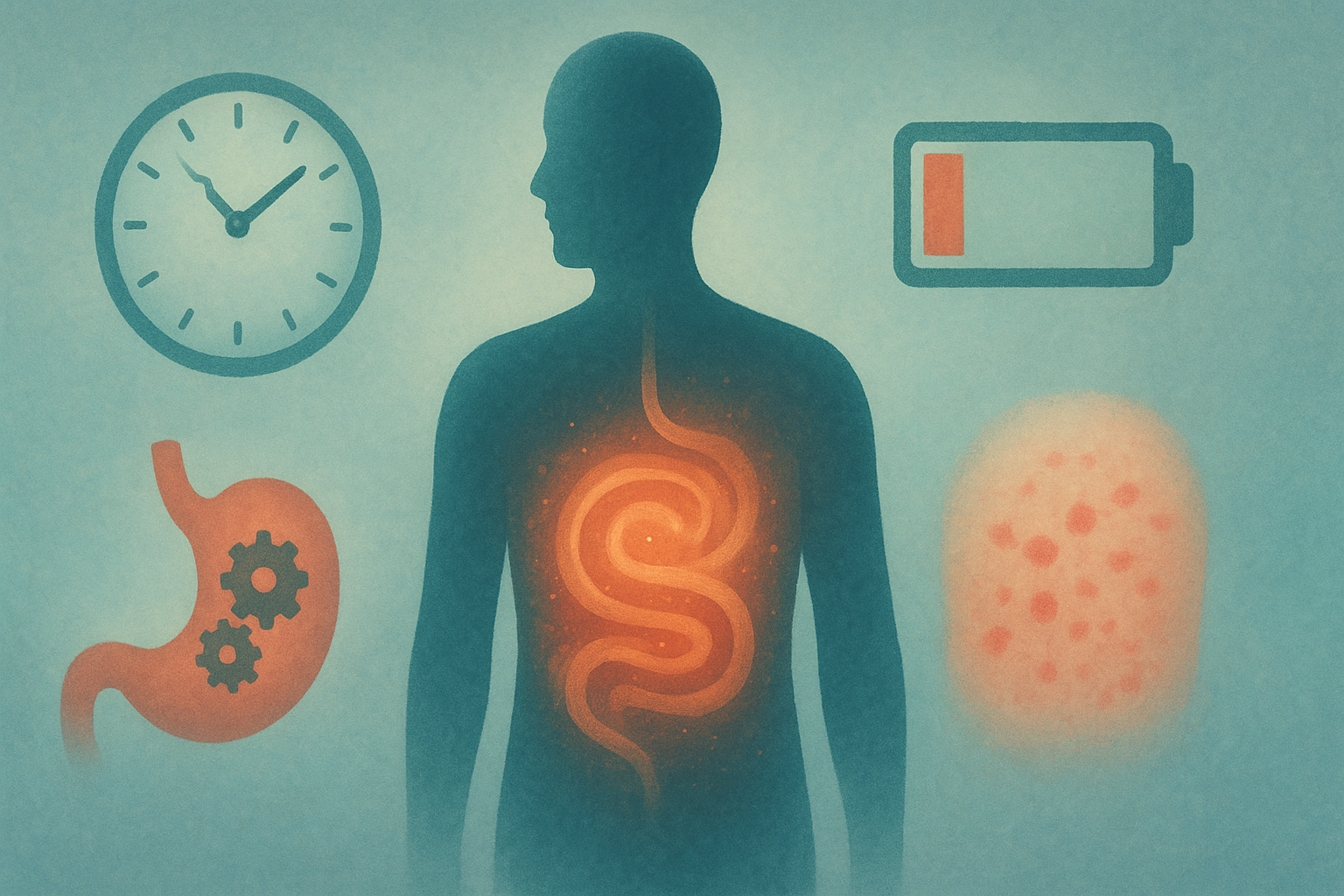
Recognizing the signs of an unhealthy gut can help you take steps towards better mental health. Common indicators of gut issues include chronic digestive problems like bloating, constipation, or diarrhea. Additionally, unexplained fatigue, sleep disturbances, food intolerances, and skin conditions like eczema might also be linked to poor gut health.
Emotional symptoms such as persistent anxiety, depression, and mood swings could also be a signal that your gut health needs attention.
Improving Gut Health for Better Mental Well-being
Fortunately, there are several strategies you can adopt to improve your gut health, which may, in turn, enhance your mental health:
1. Eat a Diverse Diet: Focus on a variety of whole foods, rich in fiber, to promote a healthy microbiome.
2. Probiotics and Prebiotics: Incorporate probiotic-rich foods like yogurt, kefir, and sauerkraut, along with prebiotic foods like garlic, onions, and bananas.
3. Reduce Stress: Practice stress-reducing techniques like meditation, yoga, or deep-breathing exercises.
4. Get Enough Sleep: Aim for 7-9 hours of quality sleep each night to support overall health.
5. Stay Hydrated: Drinking plenty of water helps maintain the mucosal lining of the intestines and supports the balance of good bacteria.
Conclusion
The connection between gut health and mental health is a compelling area of research that underscores the importance of holistic approaches to well-being. By taking care of your gut, you might find improvements in your mental health, leading to a happier, healthier life. While more research is needed to fully understand this complex relationship, the evidence suggests that nurturing your gut can be a key component of maintaining optimal mental health.
FAQs
Q: Can gut health affect my mood?
A: Yes, gut health can significantly affect your mood due to the production of neurotransmitters and the gut-brain connection.
Q: What foods should I avoid for better gut health?
A: It’s best to limit processed foods, artificial sweeteners, and high-sugar products, which can negatively impact your gut microbiome.
Q: Are probiotics necessary for everyone?
A: While not everyone may need probiotics, they can be beneficial for those looking to improve their gut health, especially after antibiotics or illness.
Q: How long does it take to improve gut health?
A: Improvements in gut health can vary, but with consistent lifestyle changes, you might start noticing differences in a few weeks to a few months.