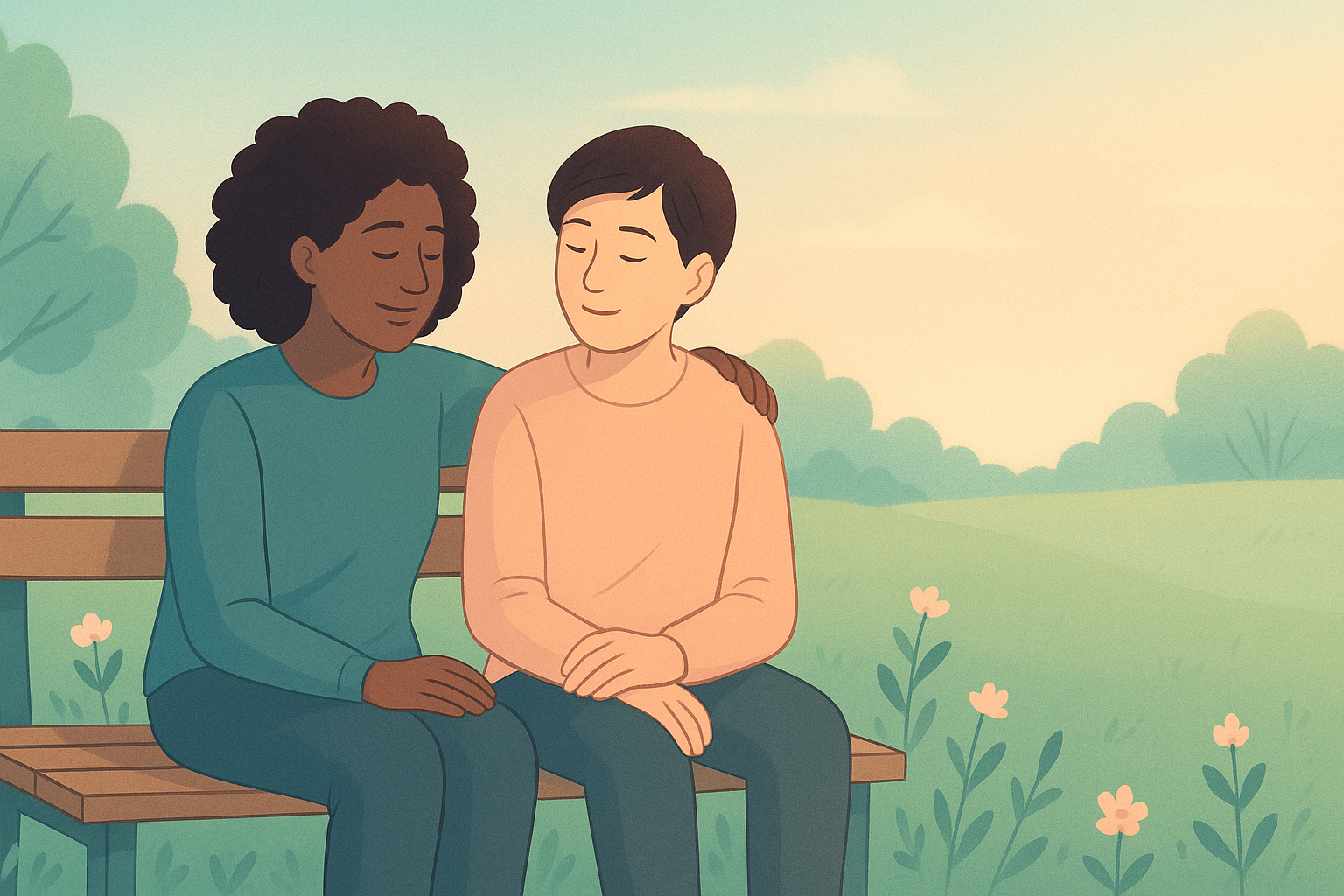
In today’s fast-paced world, mental health has become a crucial topic of discussion. While therapy, medication, and self-help strategies are often highlighted, the role of friendships in mental health recovery is equally significant. Friendships provide emotional support, companionship, and a sense of belonging, all of which are vital for mental well-being. This blog post delves into how friendships can aid in mental health recovery and why they are an essential component of a holistic healing approach.
Table of Contents
1. Introduction to Mental Health Recovery
2. The Importance of Friendships in Mental Health
3. How Friendships Aid in Recovery
4. Building Strong Friendships for Better Mental Health
5. Challenges in Maintaining Friendships During Recovery
6. Conclusion
7. FAQs
#James Donaldson notes: Welcome to the “next chapter” of my life… being a voice and an advocate for #mentalhealthawarenessandsuicideprevention, especially pertaining to our younger generation of students and student-athletes. Getting men to speak up and reach out for help and assistance is one of my passions. Us men need to not suffer in silence or drown our sorrows in alcohol, hang out at bars and strip joints, or get involved with drug use. Having gone through a recent bout of #depression and #suicidalthoughts myself, I realize now, that I can make a huge difference in the lives of so many by sharing my story, and by sharing various resources I come across as I work in this space.#http://bit.ly/JamesMentalHealthArticle Find out more about the work I do on my 501c3 non-profit foundation website www.yourgiftoflife.org Order your copy of James Donaldson’s latest book, #CelebratingYourGiftofLife: From The Verge of Suicide to a Life of Purpose and Joy
Mental health recovery is a personal journey of gaining control over one’s life despite the challenges posed by mental health issues. It involves not just reducing symptoms but also achieving a fulfilling life. While professional help can guide this journey, the support from friends often plays a pivotal role in navigating the ups and downs of recovery.
The Importance of Friendships in Mental Health
Friendships serve as a cornerstone for mental health. They provide emotional support, reduce feelings of loneliness, and offer a different perspective on life’s challenges. A good friend can be a sounding board, a source of motivation, and a companion during tough times. Moreover, friendships encourage social engagement, which is crucial for mental well-being.
How Friendships Aid in Recovery
In the context of mental health recovery, friendships can have several positive impacts:
1. Emotional Support
Friends can offer a listening ear and a shoulder to lean on during difficult times. They provide reassurance, understanding, and empathy, which can significantly alleviate stress and anxiety.
2. Encouragement and Motivation
Friends often motivate us to pursue our goals and remind us of our strengths. Their encouragement can be a driving force in overcoming obstacles and achieving milestones in recovery.
3. Social Engagement
Isolation can exacerbate mental health issues. Friendships encourage social interaction, which can improve mood and reduce feelings of loneliness. Engaging in activities with friends can also provide a sense of normalcy and routine.
4. Perspective and Insight
Friends can offer different perspectives on problems, helping us see situations from a new angle. This can lead to better problem-solving and decision-making, which are essential skills during recovery.
Building Strong Friendships for Better Mental Health
While existing friendships can aid recovery, it’s also important to nurture and build new connections. Here are some tips for fostering strong friendships:
1. Be Open and Honest
Honesty is the foundation of any strong relationship. Share your feelings and experiences with your friends. This openness can strengthen your bond and create a supportive environment.
2. Invest Time and Effort
Friendships require time and effort. Make time for regular interactions, whether it’s through phone calls, texts, or face-to-face meetings. These regular touchpoints can help maintain the connection.
3. Be Supportive
Support is a two-way street. Be there for your friends in their times of need as well. This mutual support can foster a deeper connection and create a balanced relationship.
Challenges in Maintaining Friendships During Recovery
While friendships are beneficial, maintaining them during recovery can be challenging. You might feel overwhelmed, or your friends might not fully understand your situation. Here are some common challenges and how to tackle them:
1. Communication Barriers
Open communication can sometimes be difficult. Be honest about your needs and limitations, and encourage your friends to share their thoughts as well.
2. Emotional Overwhelm
Recovery can be emotionally taxing, which might affect your ability to engage socially. It’s okay to take breaks and prioritize self-care when needed.
3. Misunderstandings
Friends may not always understand your mental health struggles. Educate them about your condition and the recovery process to foster understanding and empathy.
Conclusion
Friendships are a powerful tool in the journey of mental health recovery. They provide support, companionship, and perspective, which are vital for healing. While challenges may arise, nurturing strong friendships can significantly enhance the recovery process. Remember, you are not alone on this journey, and reaching out can make all the difference.
FAQs
1. How can I support a friend going through mental health recovery?
Listen without judgment, offer your presence, encourage them to seek professional help, and educate yourself about their condition to provide informed support.
2. Can making new friends help in mental health recovery?
Yes, new friendships can introduce fresh perspectives and support networks, contributing positively to mental health recovery.
3. What if my friends don’t understand my mental health struggles?
Try to communicate openly and educate them about your experiences. If they continue to misunderstand, consider seeking support from other sources, such as support groups or mental health professionals.