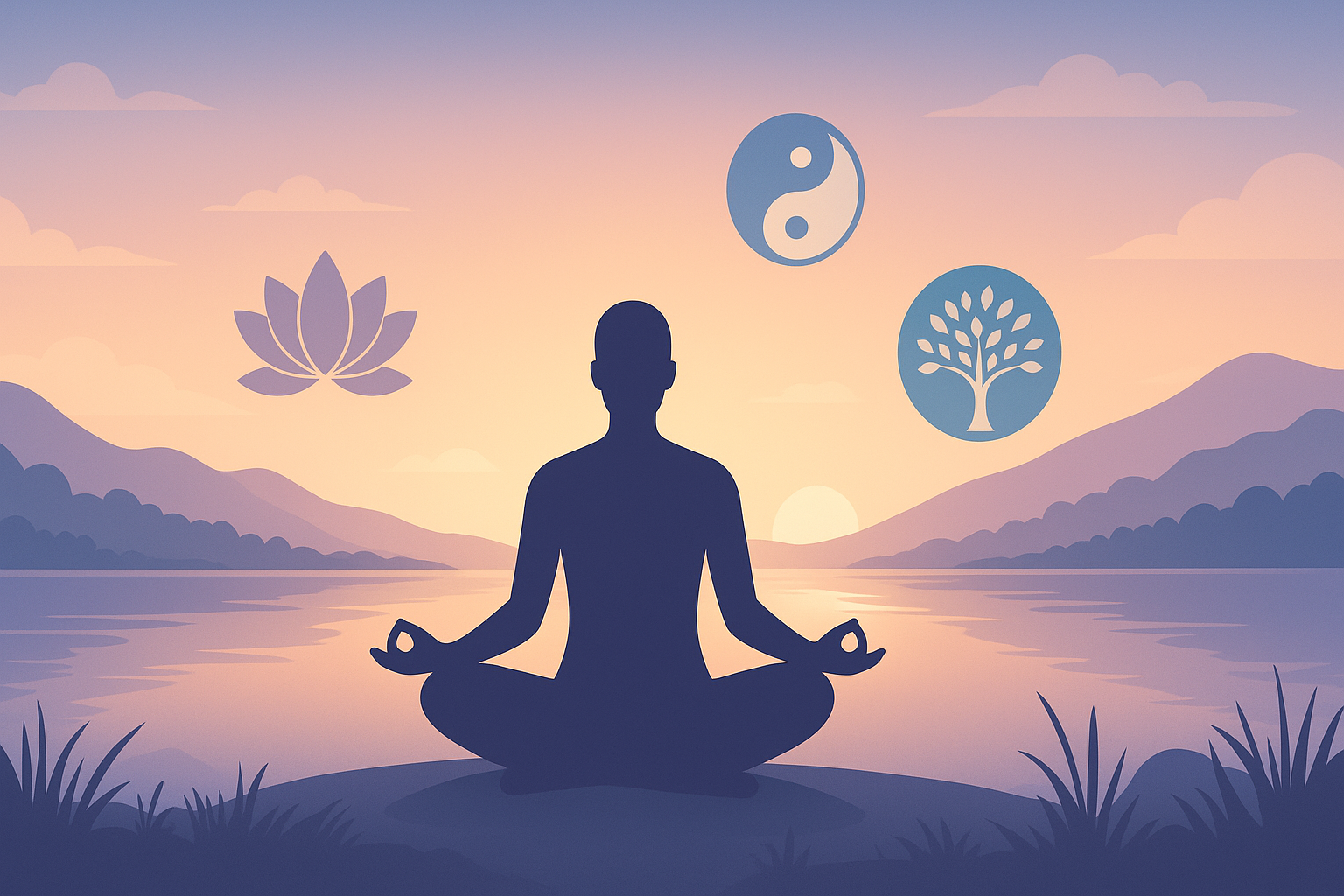
The Role of Spirituality in Mental Health
In today’s fast-paced world, where stress and anxiety seem to be ever-present, many people are turning to spirituality as a means of nurturing their mental health. But what exactly is spirituality, and how does it impact our psychological well-being? This blog post delves into the profound connection between spirituality and mental health, exploring how spiritual practices can enhance our lives.
Table of Contents
1. Understanding Spirituality
2. The Connection Between Spirituality and Mental Health
3. Spiritual Practices That Promote Mental Well-being
4. A Scientific Perspective on Spirituality
5. Potential Challenges in Spiritual Practices
6. Conclusion
7. FAQs
Understanding Spirituality
Spirituality is a broad concept that encompasses a sense of connection to something bigger than ourselves. It often involves a search for meaning in life. While religion can be a part of spirituality, the two are not synonymous. Spirituality is more about personal growth and inner peace. It encourages individuals to explore their beliefs, values, and the purpose of their existence.
The Connection Between Spirituality and Mental Health
The bond between spirituality and mental health is profound. Spirituality provides a framework for individuals to understand and cope with life’s challenges. It offers a sense of hope and purpose, which can be especially beneficial during tough times. Studies have shown that people who engage in spiritual practices often experience lower levels of anxiety and depression.
Moreover, spirituality fosters a sense of community and belonging, reducing feelings of isolation that can exacerbate mental health issues. By connecting with others on a spiritual level, individuals can find support and understanding, which are crucial for mental well-being.
Spiritual Practices That Promote Mental Well-being
There are numerous spiritual practices that can enhance mental health. Here are a few that have been found particularly effective:
Meditation
Meditation is a practice that involves focusing the mind to achieve a state of relaxation and clarity. Regular meditation can reduce stress, enhance self-awareness, and increase emotional health. It encourages mindfulness, allowing individuals to live in the present moment and appreciate life as it unfolds.
Prayer
For many, prayer is a powerful spiritual practice. It provides a way to communicate with a higher power, offering comfort and strength. Prayer can also help individuals express gratitude, which has been linked to improved mental health outcomes.
Yoga
Yoga combines physical postures, breathing techniques, and meditation to promote holistic well-being. It not only improves physical health but also enhances mental clarity and emotional balance. The practice of yoga encourages self-reflection and spiritual growth.
Journaling
Journaling as a spiritual practice involves writing down thoughts and feelings to process emotions and gain insight. It can be a therapeutic way to explore one’s spiritual journey and foster a deeper understanding of oneself.
A Scientific Perspective on Spirituality
From a scientific standpoint, the benefits of spirituality on mental health are gaining recognition. Research suggests that spiritual practices can lead to changes in brain activity, promoting a sense of calm and reducing stress. Moreover, the positive effects of spirituality on mental health have been linked to improved immune function and overall physical health.
Scientists are beginning to understand how spiritual experiences can alter brain chemistry, release feel-good hormones, and create new neural pathways that enhance our ability to cope with stress.
Potential Challenges in Spiritual Practices
While spirituality can greatly benefit mental health, it’s important to acknowledge potential challenges. Some individuals may struggle with finding a spiritual path that resonates with them. Additionally, overly rigid beliefs can lead to feelings of guilt or anxiety if one’s expectations are not met.
It’s crucial to approach spirituality with an open mind and a willingness to explore different practices. Finding a balance that works for you is key to nurturing both your spiritual and mental well-being.
Conclusion
Spirituality plays a vital role in enhancing mental health by offering a sense of purpose, belonging, and inner peace. Engaging in spiritual practices like meditation, prayer, yoga, and journaling can lead to profound personal growth and improved emotional well-being. As we continue to explore the intersection of spirituality and mental health, it becomes clear that nurturing our spiritual side can be a powerful tool for achieving a balanced and fulfilling life.
FAQs
What is the difference between spirituality and religion?
While religion is an organized system of beliefs and practices shared by a community, spirituality is a more personal experience of seeking meaning and connection. Religion can encompass spirituality, but one can be spiritual without being religious.
How can I start incorporating spirituality into my daily life?
Begin by exploring different spiritual practices such as meditation, prayer, or journaling. You can also read spiritual texts or attend community gatherings to find what resonates with you. The key is to find practices that bring you peace and joy.
Can spirituality replace traditional mental health treatments?
Spirituality can complement traditional mental health treatments but should not replace professional medical advice or therapy. It’s important to use spirituality as an additional tool in conjunction with other forms of mental health care.