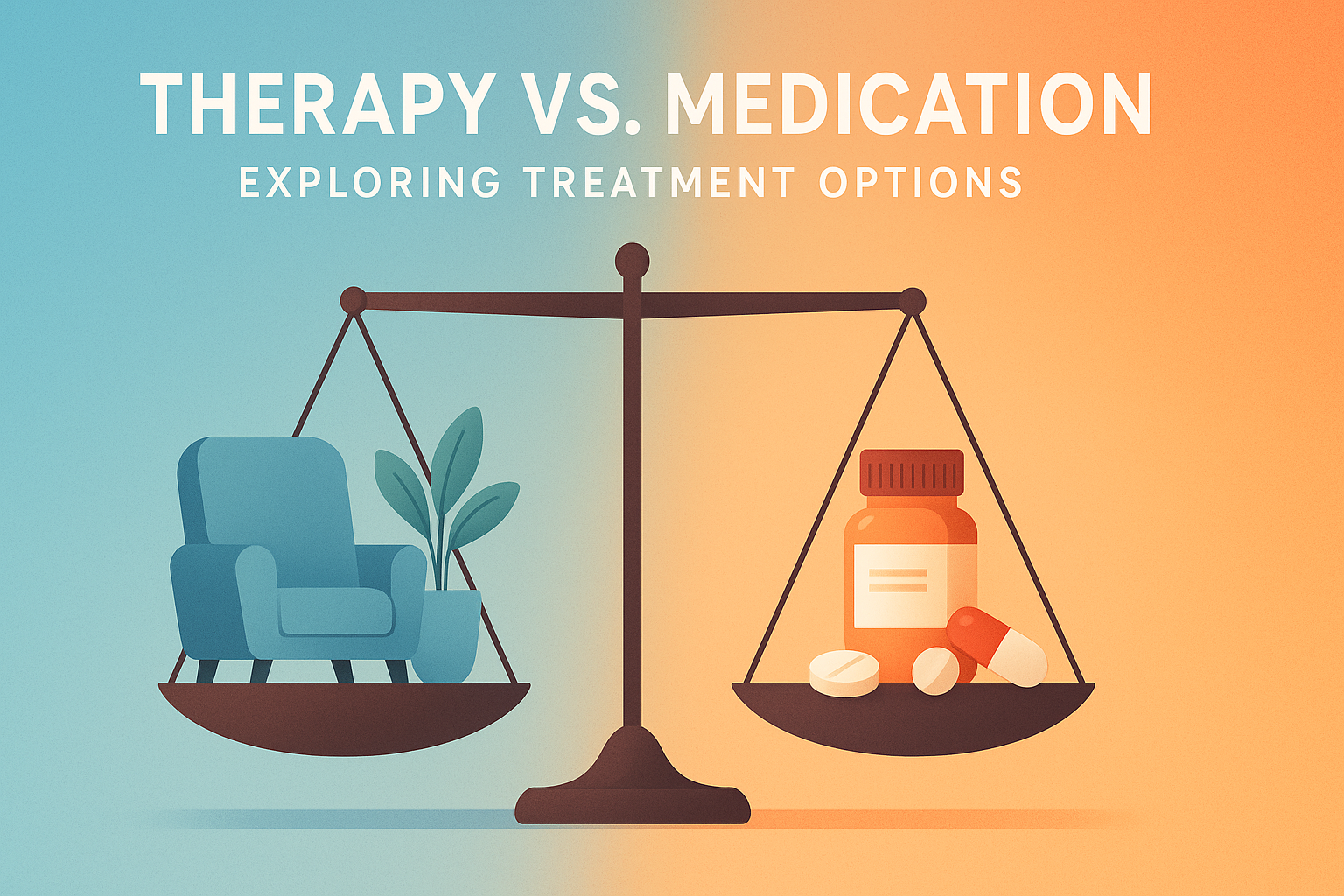
Therapy vs. Medication: Exploring Treatment Options
When it comes to mental health treatments, the debate between therapy and medication is ongoing. Each offers unique benefits, and understanding them can be pivotal in choosing the right path for you or a loved one. In this blog post, we’ll delve into the pros and cons of both therapy and medication, helping you make an informed decision.
Table of Contents
1. Introduction
2. Understanding Therapy
3. Advantages and Disadvantages of Therapy
4. Understanding Medication
5. Advantages and Disadvantages of Medication
6. Therapy and Medication: A Combined Approach
7. Making the Right Choice for You
8. Conclusion
9. FAQs
Understanding Therapy
Therapy, often referred to as psychotherapy or counseling, involves talking with a trained mental health professional. The goal is to explore thoughts, emotions, and behaviors in a safe and supportive environment. Therapy can take various forms, including Cognitive Behavioral Therapy (CBT), Dialectical Behavior Therapy (DBT), and psychodynamic therapy, among others.
Advantages and Disadvantages of Therapy
Advantages:
One of the main benefits of therapy is that it addresses the root causes of mental health issues. It provides tools and strategies to manage symptoms effectively and promotes long-term personal growth. Therapy can enhance self-awareness, improve relationships, and bolster coping mechanisms.
Disadvantages:
On the downside, therapy requires time and commitment. Progress can be slow, and navigating insurance or finding a suitable therapist can be challenging. Additionally, therapy may not offer immediate relief for severe symptoms.
Understanding Medication
Medication for mental health issues typically involves the use of antidepressants, antianxiety medications, or mood stabilizers prescribed by a psychiatrist. These medications work by altering brain chemistry to improve mood and reduce symptoms.
Advantages and Disadvantages of Medication
Advantages:
Medications can offer quick relief from acute symptoms, making them particularly useful in crisis situations. They can stabilize mood and provide a necessary foundation for individuals to engage more effectively in therapy or daily activities.
Disadvantages:
The use of medication can come with side effects, which vary depending on the type of medication and the individual. Some people may experience weight gain, fatigue, or other physical symptoms. Additionally, finding the right medication and dosage can require time and experimentation.
Therapy and Medication: A Combined Approach
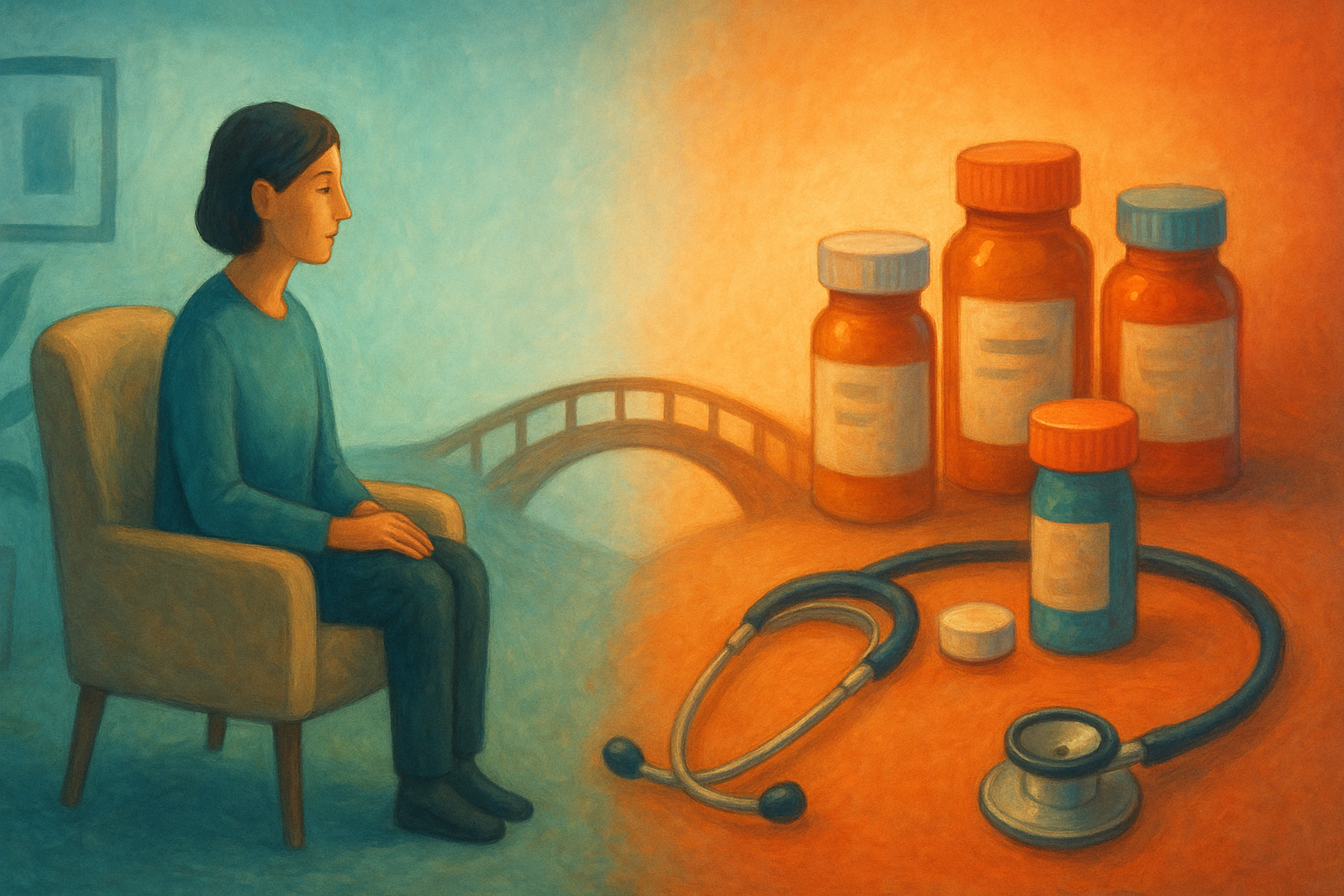
For many individuals, a combined approach of therapy and medication offers the most comprehensive treatment. This dual strategy can address both the biological and psychological aspects of mental health conditions. While medication may provide immediate symptom relief, therapy can equip individuals with long-term coping strategies.
Making the Right Choice for You
Choosing between therapy and medication—or a combination of both—depends on personal needs, the severity of symptoms, and individual preferences. Consulting with a mental health professional can help determine the most effective treatment plan. It’s essential to consider factors such as cost, accessibility, and personal comfort with the treatment type.
#James Donaldson notes: Welcome to the “next chapter” of my life… being a voice and an advocate for #mentalhealthawarenessandsuicideprevention, especially pertaining to our younger generation of students and student-athletes. Getting men to speak up and reach out for help and assistance is one of my passions. Us men need to not suffer in silence or drown our sorrows in alcohol, hang out at bars and strip joints, or get involved with drug use. Having gone through a recent bout of #depression and #suicidalthoughts myself, I realize now, that I can make a huge difference in the lives of so many by sharing my story, and by sharing various resources I come across as I work in this space.#http://bit.ly/JamesMentalHealthArticle Find out more about the work I do on my 501c3 non-profit foundation website www.yourgiftoflife.org Order your copy of James Donaldson’s latest book, #CelebratingYourGiftofLife: From The Verge of Suicide to a Life of Purpose and Joy
Deciding between therapy, medication, or a combination of both is a highly personal choice. Each has its own set of advantages and challenges. By exploring these treatment options, you can find a path that aligns with your mental health goals and lifestyle. Remember, the journey to mental wellness is unique for everyone, and seeking help is a brave and vital step.
FAQs
Q: Can therapy and medication be used together?
A: Yes, many individuals find that a combination of therapy and medication provides the most comprehensive treatment for their mental health needs.
Q: How long does it take for therapy to work?
A: The duration varies depending on the individual and the specific issues being addressed. Some people may see improvements in a few sessions, while others may require longer-term therapy.
Q: Are there side effects to therapy?
A: Unlike medication, therapy doesn’t have physical side effects. However, it can sometimes bring up uncomfortable emotions as you work through difficult issues.
Q: What should I do if my medication has side effects?
A: Discuss any side effects with your psychiatrist. They may adjust your dosage or switch you to a different medication to alleviate unwanted symptoms.
Q: Is therapy covered by insurance?
A: Many insurance plans cover therapy, but coverage varies. It’s important to check with your insurance provider to understand your benefits.