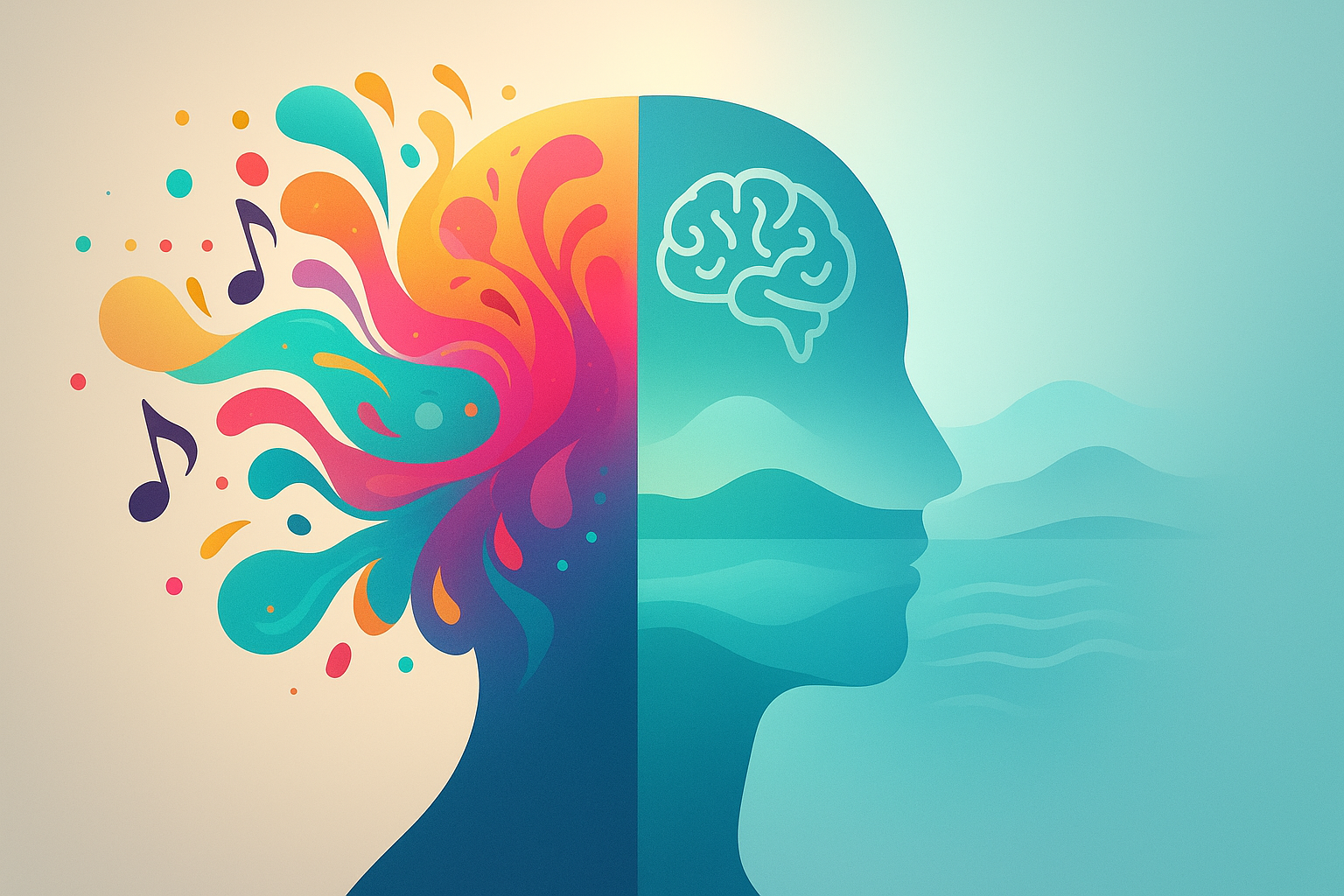
The relationship between creativity and mental health has long intrigued both researchers and the general public. This intricate connection is often romanticized in popular culture, where creative geniuses are portrayed as tortured souls. But what does science say about this relationship? In this blog post, we’ll explore the various aspects of creativity and mental health, and uncover how they intertwine in the human experience.
Table of Contents
1. Introduction
2. Understanding Creativity
3. The Mental Health Spectrum
4. The Interplay Between Creativity and Mental Health
5. Benefits of Creativity for Mental Well-being
6. Creativity as a Coping Mechanism
7. Conclusion
8. FAQs
Understanding Creativity
Creativity is often defined as the ability to generate original ideas, solutions, or artistic expressions. It’s a complex cognitive process that involves divergent thinking, problem-solving, and the capacity to connect seemingly unrelated concepts. While some people are naturally more creative than others, creativity is not solely an inborn trait—it’s a skill that can be nurtured and developed over time.
Creative individuals often possess certain characteristics such as open-mindedness, curiosity, and a willingness to take risks. These traits enable them to think outside the box and explore new possibilities. However, the creative process is not always smooth or predictable. It can be fraught with challenges, self-doubt, and periods of intense pressure, which may impact an individual’s mental health.
The Mental Health Spectrum
Mental health is a broad term that encompasses emotional, psychological, and social well-being. It affects how we think, feel, and act, influencing our ability to handle stress, relate to others, and make decisions. Mental health exists on a spectrum, with individuals experiencing varying degrees of well-being, from flourishing mental health to severe mental health disorders.
Common mental health disorders include anxiety, depression, bipolar disorder, and schizophrenia, among others. These conditions can significantly impact a person’s ability to function and thrive in different areas of life. The stigma surrounding mental health often prevents individuals from seeking help, but understanding and addressing mental health issues is crucial for overall well-being.
The Interplay Between Creativity and Mental Health
The connection between creativity and mental health is complex and multifaceted. Research has shown that there is a higher prevalence of mental health disorders among highly creative individuals, particularly in artistic fields such as writing, music, and visual arts. However, this does not mean that all creative individuals are mentally ill, nor that mental illness is a prerequisite for creativity.
Several theories attempt to explain this connection. One hypothesis is that the same cognitive processes that facilitate creativity, such as divergent thinking and heightened emotional sensitivity, may also increase vulnerability to mental health disorders. Additionally, the intense emotions and introspection often required in the creative process can exacerbate existing mental health issues.
Benefits of Creativity for Mental Well-being
Despite the potential challenges, creativity can also have positive effects on mental health. Engaging in creative activities has been shown to reduce stress, improve mood, and enhance overall well-being. Creative expression allows individuals to process emotions, gain insight into their thoughts, and find meaning in their experiences.
Art therapy, for example, is a therapeutic approach that uses creative processes to help individuals explore their emotions and resolve conflicts. By participating in artistic activities, individuals can experience a sense of achievement and empowerment, which can boost self-esteem and foster resilience.
Creativity as a Coping Mechanism
For many individuals, creativity serves as a valuable coping mechanism. It provides an outlet for expressing complex emotions and navigating difficult situations. Whether through painting, writing, music, or dance, creative expression allows individuals to externalize their internal experiences, making them more manageable.
Moreover, creativity encourages mindfulness and presence in the moment, which can be particularly beneficial for those experiencing anxiety or depression. Engaging in creative activities can distract from negative thoughts and provide a sense of purpose and fulfillment, contributing to a healthier mental state.
Conclusion
The connection between creativity and mental health is a nuanced and dynamic relationship. While creativity can sometimes coincide with mental health challenges, it also offers numerous benefits and coping mechanisms that can enhance well-being. By fostering creativity and addressing mental health issues with compassion and understanding, we can support individuals in leading fulfilling and balanced lives.
FAQs
Q: Is there a proven link between creativity and mental health disorders?
A: While research shows a higher prevalence of mental health disorders among creative individuals, the relationship is complex and not entirely understood. Not all creative individuals have mental health disorders, and not all individuals with mental health disorders are creative.
Q: Can engaging in creative activities improve mental health?
A: Yes, engaging in creative activities can have positive effects on mental health, such as reducing stress, improving mood, and enhancing overall well-being.
Q: How can creativity be used as a coping mechanism?
A: Creativity provides an outlet for expressing emotions and navigating difficult situations. It encourages mindfulness, presence, and can distract from negative thoughts, contributing to a healthier mental state.
Q: Are there any specific creative activities recommended for improving mental health?
A: Activities such as art therapy, journaling, music, dance, and any form of artistic expression can be beneficial for mental health.