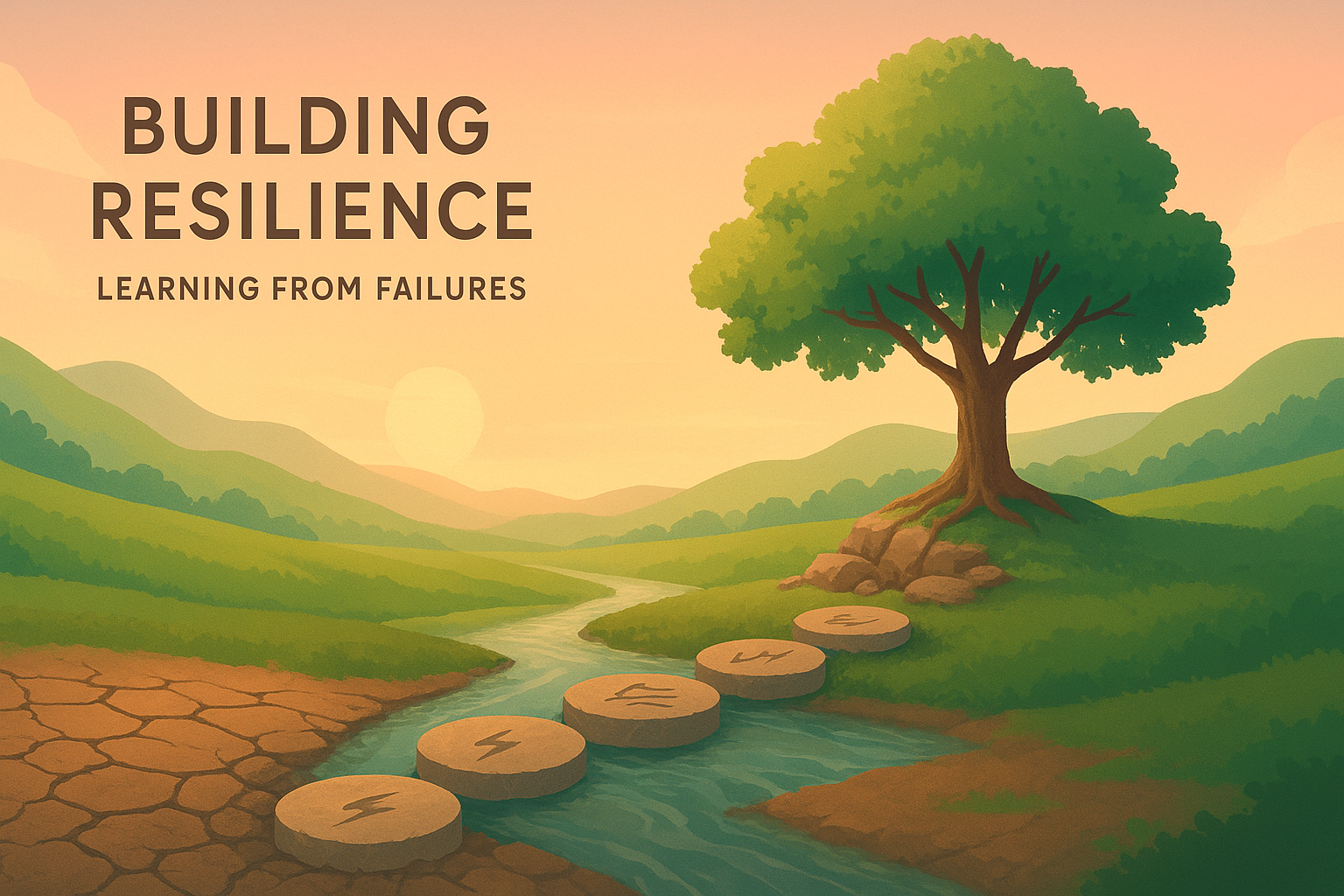
Failure is often seen as the end of the road, but what if it’s just the beginning of a new journey? Building resilience is about transforming failures into stepping stones, leading us to success. In this blog post, we’ll explore how to learn from failures and develop resilience, a crucial trait for personal and professional growth.
Table of Contents
1. Introduction
2. Understanding Resilience
3. The Role of Failures in Building Resilience
4. Strategies for Learning from Failures
5. Inspiring Examples of Resilience
6. Conclusion
7. FAQs
#James Donaldson notes: Welcome to the “next chapter” of my life… being a voice and an advocate for #mentalhealthawarenessandsuicideprevention, especially pertaining to our younger generation of students and student-athletes. Getting men to speak up and reach out for help and assistance is one of my passions. Us men need to not suffer in silence or drown our sorrows in alcohol, hang out at bars and strip joints, or get involved with drug use. Having gone through a recent bout of #depression and #suicidalthoughts myself, I realize now, that I can make a huge difference in the lives of so many by sharing my story, and by sharing various resources I come across as I work in this space.#http://bit.ly/JamesMentalHealthArticle Find out more about the work I do on my 501c3 non-profit foundation website www.yourgiftoflife.org Order your copy of James Donaldson’s latest book, #CelebratingYourGiftofLife: From The Verge of Suicide to a Life of Purpose and Joy
Resilience is the ability to bounce back from setbacks, adapt to change, and keep going in the face of adversity. It’s a skill that can be developed through practice and perseverance. Resilience isn’t about never experiencing stress or failure; rather, it’s about cultivating the capacity to recover and grow stronger.
Think of resilience as a muscle. The more you use it, the stronger it gets. Each failure is like a weight that challenges your resilience muscle, and with each lift, you become more robust and capable of handling future challenges.
The Role of Failures in Building Resilience
Failures play a pivotal role in building resilience. They provide us with the opportunity to reflect, learn, and improve. When confronted with failure, it’s easy to feel defeated. However, by shifting our perspective, we can see failures as valuable learning experiences.
Consider Thomas Edison, who famously said, “I have not failed. I’ve just found 10,000 ways that won’t work.” Each unsuccessful attempt brought him closer to the invention of the light bulb. This mindset turns failures into powerful tools for growth.
Strategies for Learning from Failures
1. Embrace a Growth Mindset
A growth mindset, a term popularized by psychologist Carol Dweck, is the belief that abilities and intelligence can be developed through dedication and hard work. Embracing this mindset allows you to see failures as opportunities for development, rather than insurmountable obstacles.
2. Reflect and Analyze
After experiencing a failure, take time to reflect on what went wrong. Analyze the situation objectively and identify the factors that contributed to the failure. This process of reflection is crucial in extracting lessons and avoiding similar mistakes in the future.
3. Set Realistic Goals
Setting achievable goals can prevent you from feeling overwhelmed by failures. Break down larger goals into smaller, manageable tasks. This approach not only reduces stress but also makes it easier to identify specific areas for improvement when things don’t go as planned.
4. Seek Feedback
Feedback is an invaluable resource when it comes to learning from failures. Don’t hesitate to ask for constructive criticism from peers, mentors, or colleagues. Their insights can provide you with a fresh perspective and help you identify blind spots.
5. Practice Self-Compassion
Be kind to yourself. It’s natural to feel disappointed after a failure, but self-criticism can be detrimental to your resilience. Practice self-compassion by acknowledging your efforts and reminding yourself that failure is a part of the learning process.
Inspiring Examples of Resilience
History is filled with stories of individuals who demonstrated remarkable resilience. Consider J.K. Rowling, who faced numerous rejections before finally publishing the “Harry Potter” series. Her perseverance transformed initial failures into global success.
Another inspiring example is Steve Jobs, who was fired from his own company, Apple, only to return years later to lead it to unprecedented success. These stories remind us that resilience can turn setbacks into comebacks.
Conclusion
Building resilience is a journey, not a destination. By learning from failures and adopting strategies to enhance our resilience, we can navigate life’s challenges more effectively. Remember, every failure is a stepping stone on the path to success. Embrace them, learn from them, and let them propel you forward.
FAQs
Q: Can resilience be taught?
A: Yes, resilience can be developed over time through practice, reflection, and adopting a growth mindset.
Q: How can I handle repeated failures?
A: Focus on learning from each experience, seek feedback, and adjust your strategies. Repeated failures can often indicate the need for a new approach.
Q: Are some people naturally more resilient than others?
A: While some individuals may have a natural inclination towards resilience, it is a skill that can be cultivated by anyone willing to put in the effort.