In today’s fast-paced world, self-care often takes a backseat to professional obligations. However, prioritizing your well-being is crucial for maintaining both mental and physical health. This guide will walk you through creating a self-care plan tailored to the needs of busy professionals.
Table of Contents
1. Introduction
2. Understanding the Importance of Self-Care
3. Assessing Your Current Self-Care Practices
4. Setting Realistic Goals
5. Crafting Your Personalized Self-Care Plan
6. Implementing Your Plan
7. Conclusion
8. FAQs
Understanding the Importance of Self-Care
Self-care is more than just a buzzword; it’s an essential component of a healthy lifestyle. For busy professionals, neglecting self-care can lead to burnout, decreased productivity, and even serious health issues. By investing time in yourself, you recharge your physical and emotional batteries, which can lead to improved work performance and overall life satisfaction.
Assessing Your Current Self-Care Practices
Before you can improve your self-care regimen, it’s important to understand where you currently stand. Take a moment to reflect on how you spend your time and the activities that bring you joy and relaxation. Consider keeping a journal for a week to track your daily habits and identify areas that could use more attention.
Setting Realistic Goals
Once you’ve assessed your current practices, it’s time to set realistic self-care goals. These should be specific, achievable, and tailored to your lifestyle. For instance, if you find that you’re not getting enough sleep, a goal might be to establish a consistent bedtime routine. Remember, the aim is progress, not perfection.
Crafting Your Personalized Self-Care Plan
With your goals in mind, you can now craft a personalized self-care plan. Here are some elements to consider including:
Physical Care
Incorporate physical activities that you enjoy and can realistically fit into your schedule. This could be a morning yoga session, a brisk walk during lunch, or a weekly dance class. Don’t forget the basics like staying hydrated and eating nutritious meals.
Mental and Emotional Care
Engage in activities that support your mental and emotional health. Meditation, journaling, or simply taking a few minutes each day to breathe deeply can make a significant difference. Ensure you have a support system in place, whether it’s friends, family, or a professional therapist.
Social Self-Care
Maintaining social connections is vital for mental health. Schedule regular catch-ups with friends or family. Even a quick phone call or text message can help you stay connected.
Professional Self-Care
At work, ensure you’re setting boundaries to prevent burnout. Take regular breaks, delegate tasks when possible, and don’t be afraid to say no when necessary. Remember, a well-rested mind is a productive one.
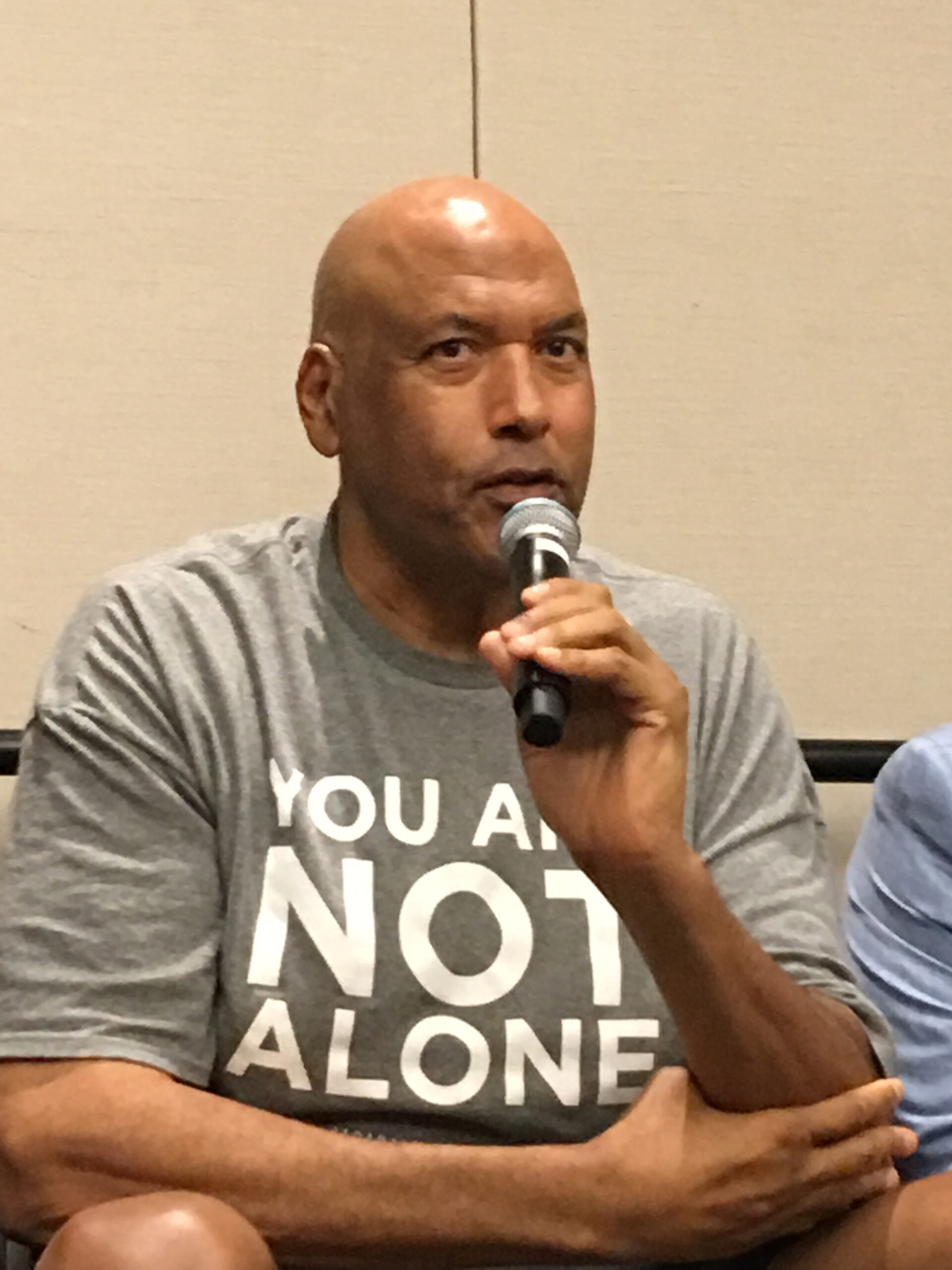
#James Donaldson notes: Welcome to the “next chapter” of my life… being a voice and an advocate for #mentalhealthawarenessandsuicideprevention, especially pertaining to our younger generation of students and student-athletes. Getting men to speak up and reach out for help and assistance is one of my passions. Us men need to not suffer in silence or drown our sorrows in alcohol, hang out at bars and strip joints, or get involved with drug use. Having gone through a recent bout of #depression and #suicidalthoughts myself, I realize now, that I can make a huge difference in the lives of so many by sharing my story, and by sharing various resources I come across as I work in this space.#http://bit.ly/JamesMentalHealthArticle Find out more about the work I do on my 501c3 non-profit foundation website www.yourgiftoflife.org Order your copy of James Donaldson’s latest book, #CelebratingYourGiftofLife: From The Verge of Suicide to a Life of Purpose and Joy
Now that you have a plan, it’s time to put it into action. Start small and gradually incorporate more elements as you become comfortable. Consistency is key. Consider setting reminders or using a planner to keep track of your self-care activities. Remember, it’s okay to adjust your plan as needed. Life is unpredictable, and flexibility is essential.
Conclusion
Creating a self-care plan tailored to your needs as a busy professional is an investment in your overall well-being. By assessing your current habits, setting realistic goals, and implementing a personalized plan, you can ensure that self-care becomes a sustainable part of your routine. Remember, taking care of yourself is not a luxury—it’s a necessity.
FAQs
Q: How can I find time for self-care in a busy schedule?
A: Start by assessing your current schedule and identifying gaps or wasted time. Even small pockets of time can be used effectively for self-care. Prioritize activities that are most beneficial to you and consider setting boundaries to protect your self-care time.
Q: What if I fall off my self-care routine?
A: It’s important to be forgiving with yourself. Life can be unpredictable, and it’s okay to stray from your plan. Simply reassess and adjust your goals as needed, and remember that every day is a new opportunity to start fresh.
Q: Can self-care be something simple?
A: Absolutely! Self-care doesn’t have to be elaborate or time-consuming. It can be as simple as taking a few deep breaths, enjoying a cup of tea, or spending a few minutes reading a book. The key is to choose activities that genuinely recharge you.