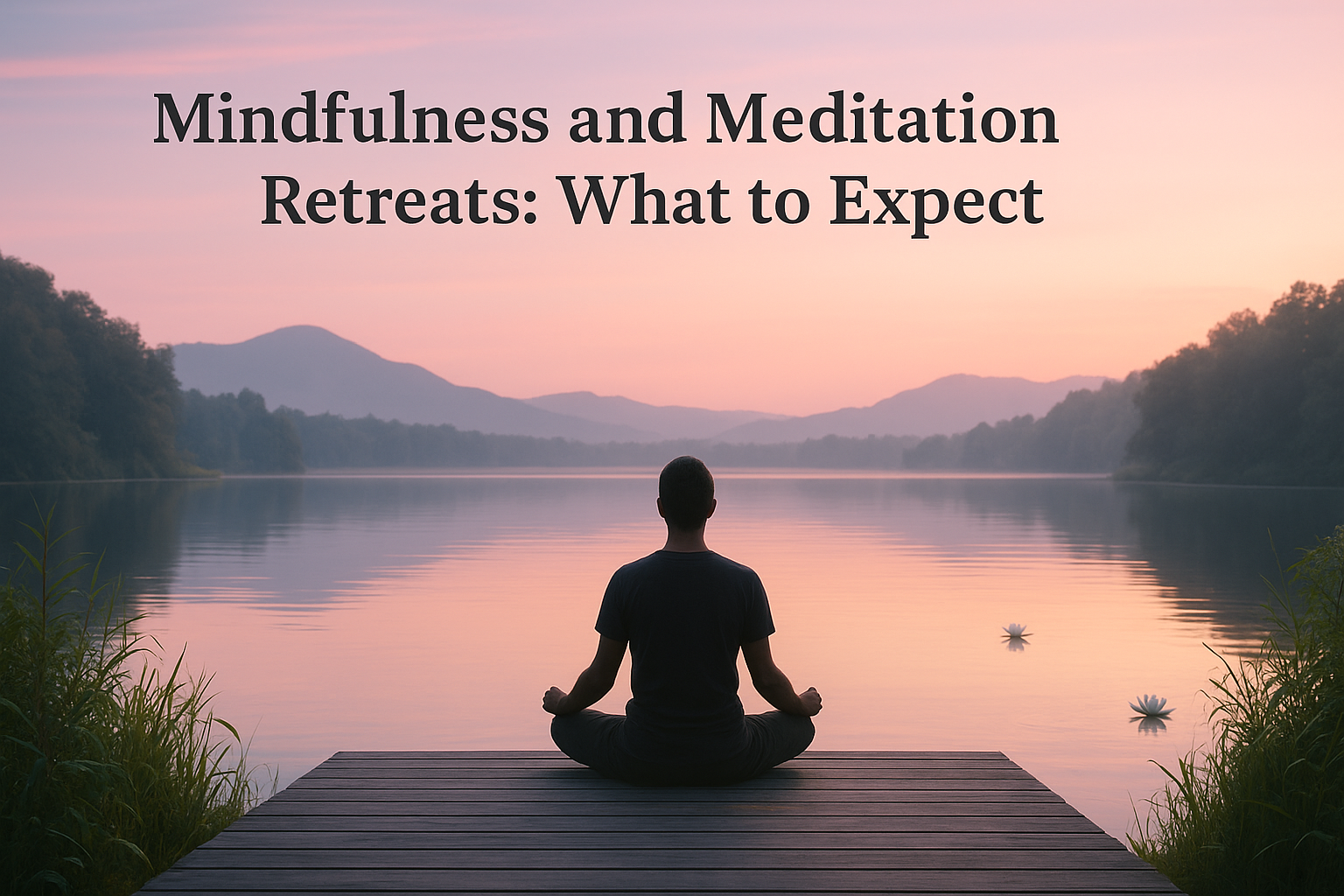
In our fast-paced world, finding a moment of tranquility can often feel like an elusive dream. As we juggle work, family, and personal commitments, the idea of escaping to a mindfulness and meditation retreat becomes increasingly appealing. But what exactly can you expect from such an experience? In this blog post, we will delve into the world of mindfulness and meditation retreats, exploring their benefits, what a typical retreat involves, and how to prepare for one.
Table of Contents
1. Introduction to Mindfulness and Meditation Retreats
2. The Benefits of Attending a Retreat
3. Types of Mindfulness and Meditation Retreats
4. What to Expect at a Retreat
5. How to Prepare for Your Retreat Experience
6. FAQs
7. Conclusion
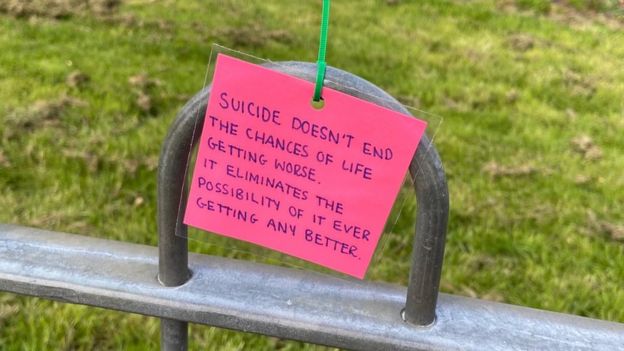
#James Donaldson notes: Welcome to the “next chapter” of my life… being a voice and an advocate for #mentalhealthawarenessandsuicideprevention, especially pertaining to our younger generation of students and student-athletes. Getting men to speak up and reach out for help and assistance is one of my passions. Us men need to not suffer in silence or drown our sorrows in alcohol, hang out at bars and strip joints, or get involved with drug use. Having gone through a recent bout of #depression and #suicidalthoughts myself, I realize now, that I can make a huge difference in the lives of so many by sharing my story, and by sharing various resources I come across as I work in this space.#http://bit.ly/JamesMentalHealthArticle Find out more about the work I do on my 501c3 non-profit foundation website www.yourgiftoflife.org Order your copy of James Donaldson’s latest book, #CelebratingYourGiftofLife: From The Verge of Suicide to a Life of Purpose and Joy
Introduction to Mindfulness and Meditation Retreats
Mindfulness and meditation retreats provide a sanctuary from the daily grind, offering a serene environment to reconnect with oneself. These retreats are designed to help participants cultivate mindfulness, reduce stress, and achieve a sense of inner peace. Whether you’re a seasoned meditator or a curious beginner, a retreat can offer profound insights and personal growth.
The Benefits of Attending a Retreat
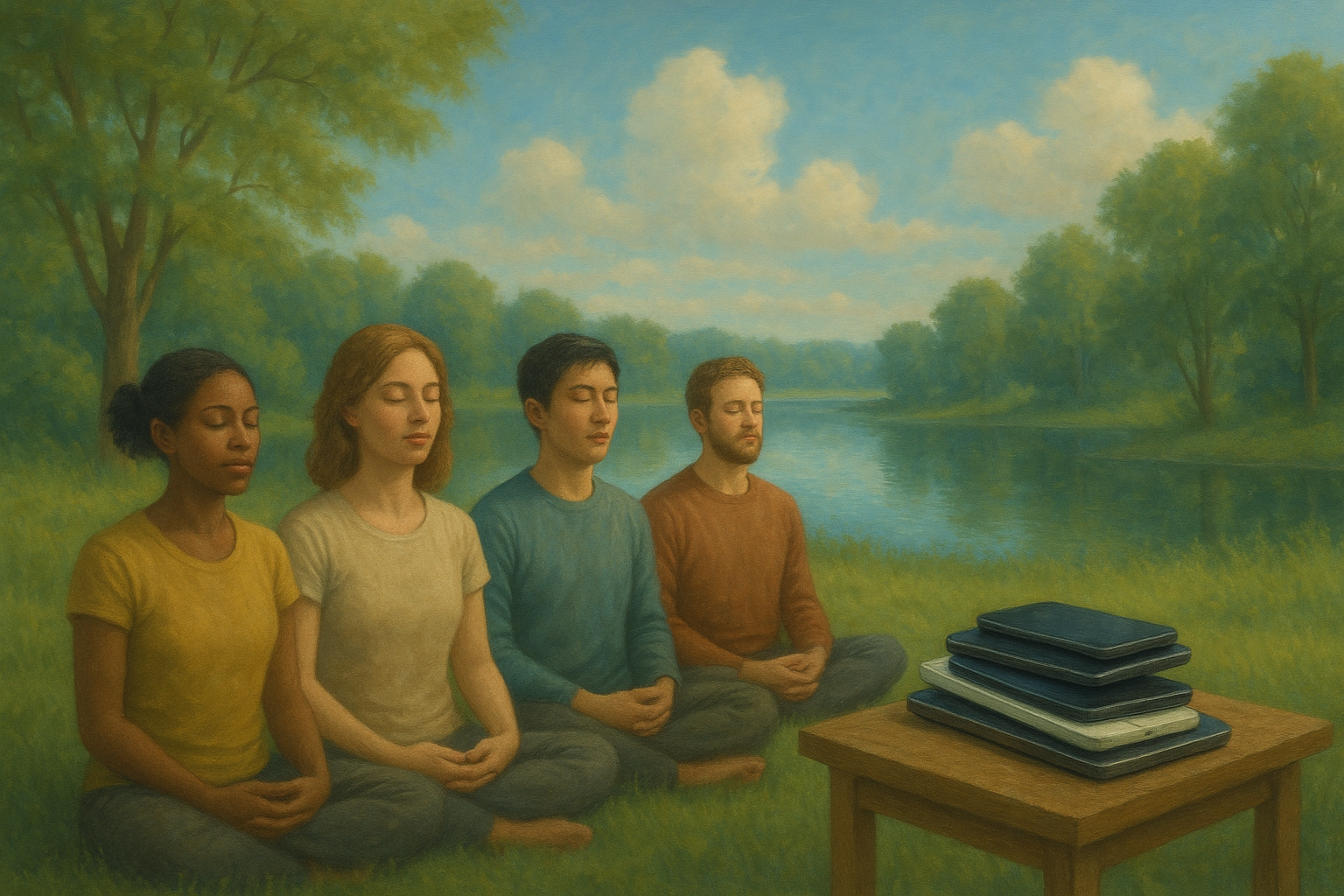
The benefits of attending a mindfulness and meditation retreat are numerous. Firstly, retreats offer a unique opportunity to unplug from digital distractions, allowing you to fully immerse in the present moment. This digital detox can significantly enhance your mental clarity and focus.
Additionally, retreats often provide a supportive community of like-minded individuals. Sharing the journey with others can foster a sense of connection and belonging, which is essential for personal growth.
Moreover, retreats often lead to improved mental health, as the practice of mindfulness and meditation is linked to reduced anxiety, depression, and stress levels. Attendees frequently leave feeling rejuvenated, with a renewed sense of purpose and direction.
Types of Mindfulness and Meditation Retreats
There are various types of mindfulness and meditation retreats, each catering to different preferences and levels of experience. Some popular options include:
Silent Retreats
Silent retreats focus on deep inner reflection, where participants are encouraged to remain silent for extended periods. This silence allows for a profound exploration of one’s thoughts and emotions without external distractions.
Guided Meditation Retreats
These retreats are ideal for beginners, as they offer structured sessions led by experienced instructors. Participants learn various meditation techniques and receive personalized guidance to deepen their practice.
Themed Retreats
Themed retreats focus on specific aspects of mindfulness, such as self-compassion, stress reduction, or enhancing creativity. These retreats often incorporate workshops and activities aligned with the chosen theme.
What to Expect at a Retreat
While each retreat is unique, there are common elements you can expect:
Daily Schedule
Retreats typically follow a structured daily schedule, which may include meditation sessions, yoga classes, nature walks, and workshops. This routine helps cultivate mindfulness and encourages discipline in practice.
Simple Accommodations
Expect modest accommodations, designed to minimize distractions and promote simplicity. This environment helps participants focus on their inner journey rather than external comforts.
Healthy Meals
Retreats usually provide nutritious, vegetarian meals to nourish the body and support the practice. These meals are often prepared with locally sourced ingredients, emphasizing mindfulness in eating.
Time for Reflection
Ample time for personal reflection is a hallmark of retreats. Whether through journaling, meditative walks, or simply sitting in nature, these moments of solitude are integral to the experience.
How to Prepare for Your Retreat Experience
Proper preparation ensures that you make the most of your retreat experience. Here are some tips:
Set Clear Intentions
Before attending, take time to reflect on your goals and intentions for the retreat. What do you hope to achieve? Setting clear intentions can guide your experience and help you stay focused.
Practice Mindfulness
Start incorporating mindfulness practices into your daily routine before the retreat. Simple exercises, such as mindful breathing or short meditation sessions, can ease the transition into the retreat environment.
Pack Appropriately
Bring comfortable clothing suitable for meditation and yoga. It’s also wise to pack a journal, a reusable water bottle, and any personal items that support your practice.
Embrace Openness
Approach the retreat with an open mind and heart. Be willing to explore new practices, meet new people, and embrace the journey, whatever it may bring.
FAQs
Q: Do I need prior meditation experience to attend a retreat?
A: No prior experience is necessary. Many retreats welcome beginners and provide guidance to help you start your journey.
Q: How long do retreats typically last?
A: Retreats can vary in length, from a weekend to several weeks. Choose one that best fits your schedule and goals.
Q: Will I have access to my phone and internet?
A: Most retreats encourage a digital detox, limiting access to phones and the internet to enhance mindfulness.
Conclusion
Attending a mindfulness and meditation retreat can be a transformative experience, offering a sanctuary to unplug, reflect, and grow. By understanding what to expect and preparing accordingly, you can embark on a journey toward greater self-awareness and tranquility. Whether you’re seeking mental clarity, emotional healing, or a deeper connection with yourself, a retreat could be the perfect step on your path to mindfulness.