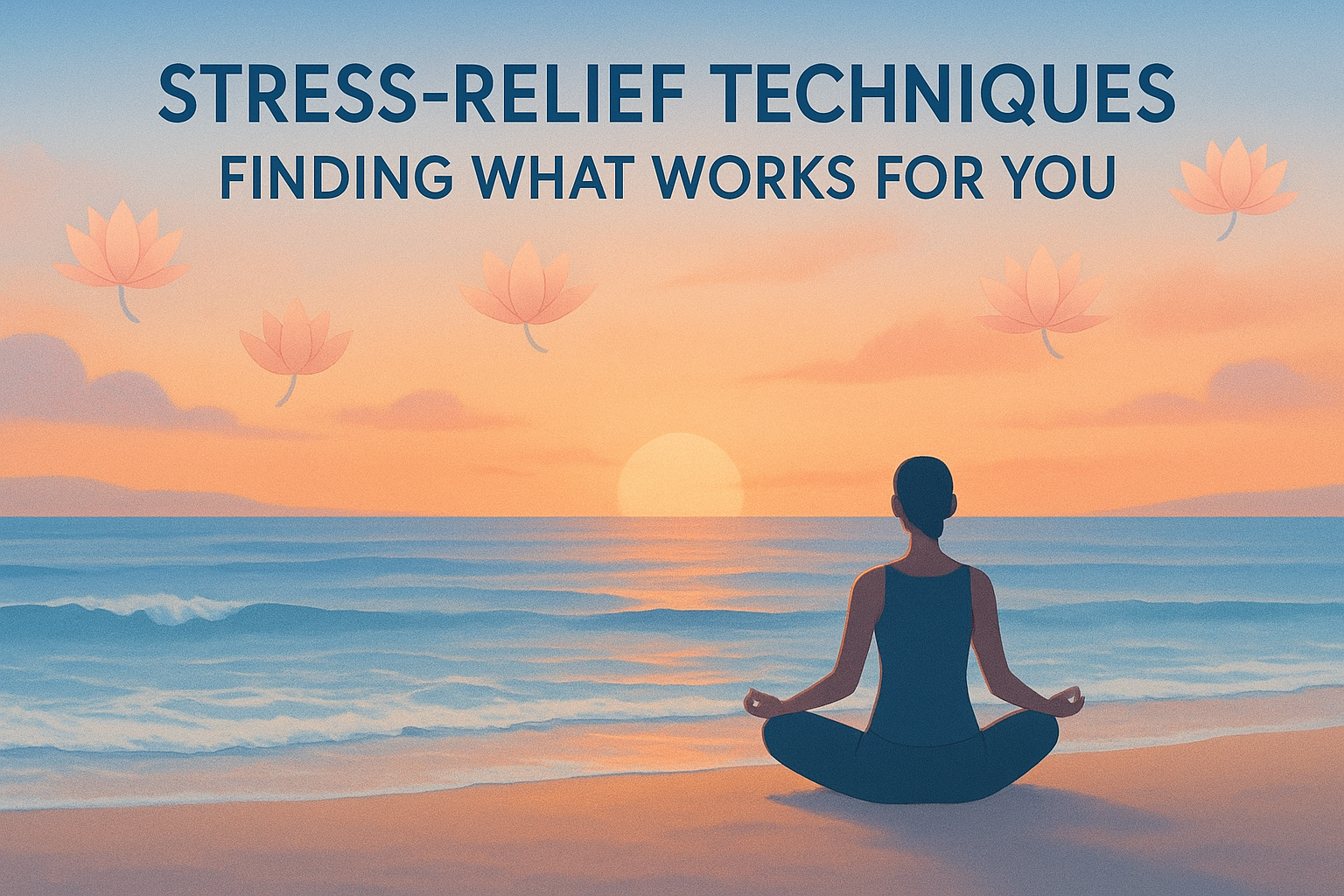
In today’s fast-paced world, stress has become an almost unavoidable part of life. Whether it’s work pressure, family obligations, or financial concerns, the causes of stress are diverse and ever-present. Finding effective stress-relief techniques that work for you is essential for maintaining mental and physical well-being. Let’s dive into some proven methods to help you combat stress and bring tranquility back into your life.
Table of Contents
1. Understanding Stress and Its Impact
2. Mindfulness and Meditation
3. Physical Exercise
4. Creative Outlets
5. Social Connections
6. Professional Help
7. Conclusion
8. FAQs
Understanding Stress and Its Impact
Before delving into stress-relief techniques, it’s crucial to understand what stress is and how it affects you. Stress is the body’s response to any demand or threat, real or perceived. It triggers the “fight or flight” response, releasing hormones like adrenaline and cortisol.
While stress can sometimes provide the necessary push to meet deadlines or overcome challenges, chronic stress can lead to serious health issues, such as anxiety, depression, heart disease, and a weakened immune system. Recognizing the signs of stress and addressing them promptly is vital.
Mindfulness and Meditation
Mindfulness and meditation are powerful tools for stress relief that focus on bringing awareness to the present moment. By practicing mindfulness, you can reduce anxiety and improve emotional health. Meditation, in particular, helps calm the mind, providing a sense of peace and balance.
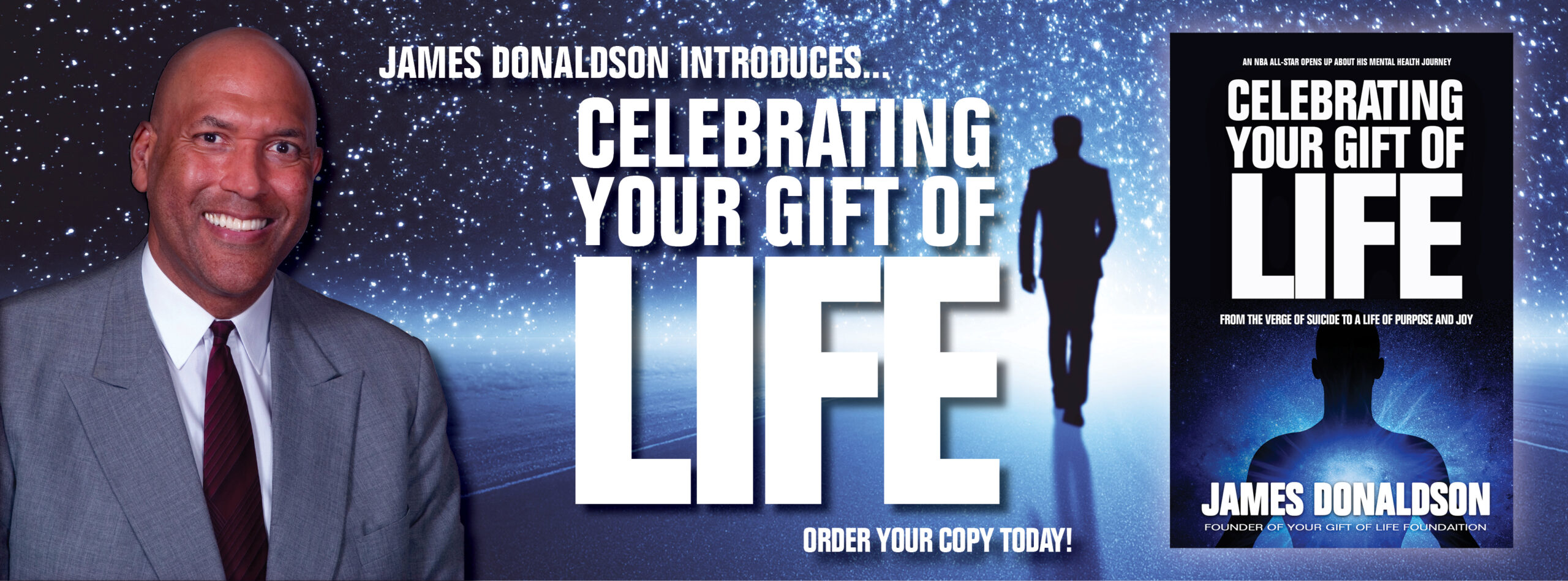
#James Donaldson notes: Welcome to the “next chapter” of my life… being a voice and an advocate for #mentalhealthawarenessandsuicideprevention, especially pertaining to our younger generation of students and student-athletes. Getting men to speak up and reach out for help and assistance is one of my passions. Us men need to not suffer in silence or drown our sorrows in alcohol, hang out at bars and strip joints, or get involved with drug use. Having gone through a recent bout of #depression and #suicidalthoughts myself, I realize now, that I can make a huge difference in the lives of so many by sharing my story, and by sharing various resources I come across as I work in this space.#http://bit.ly/JamesMentalHealthArticle Find out more about the work I do on my 501c3 non-profit foundation website www.yourgiftoflife.org Order your copy of James Donaldson’s latest book, #CelebratingYourGiftofLife: From The Verge of Suicide to a Life of Purpose and Joy
Start with just a few minutes a day. Sit in a comfortable position, close your eyes, and focus on your breathing. Let your thoughts come and go without judgment. Over time, you’ll find it easier to tune out distractions and find inner peace.
Physical Exercise
Exercise is a natural stress reliever that helps boost your mood by releasing endorphins, the body’s natural painkillers. Whether it’s a brisk walk, a jog in the park, or a high-intensity workout, physical activity can significantly reduce stress levels.
You don’t have to become a gym enthusiast overnight. Start small by incorporating simple exercises into your routine, like stretching or yoga. Find an activity you enjoy, and it will be easier to make it a regular part of your life.
Creative Outlets
Engaging in creative activities can be a therapeutic way to manage stress. Whether it’s painting, writing, playing an instrument, or crafting, these activities allow you to express yourself and channel your emotions into something positive.
Don’t worry about the end result; the process of creating is what matters. It’s a break from routine and a chance to explore your imagination, which can be incredibly refreshing and fulfilling.
Social Connections
Human beings are social creatures, and maintaining strong social connections is crucial for emotional well-being. Spending time with family and friends can provide support, laughter, and a fresh perspective on your problems.
Reach out to someone you trust when you’re feeling overwhelmed. Sometimes, simply talking about your stressors can help lighten the load. Remember, you are not alone, and sharing your experiences can strengthen your bonds with others.
Professional Help
Sometimes, stress can be overwhelming, and professional help may be necessary. Therapists and counselors are trained to help you work through stress and develop coping strategies.
If you find that stress is affecting your daily life, don’t hesitate to seek professional support. Therapy can provide a safe space to explore your feelings and learn new ways to cope with stress.
Conclusion
Finding the right stress-relief technique is a personal journey. What works for one person may not work for another, so it’s important to explore different options and discover what best suits your needs. Remember, managing stress is not about eliminating it completely but about finding balance and creating a healthier lifestyle.
FAQs
Q: How long should I meditate to see results?
A: Even a few minutes a day can make a difference. Consistency is key, so aim for regular practice rather than long sessions.
Q: Can stress affect my physical health?
A: Yes, chronic stress can lead to health issues such as heart disease, high blood pressure, and a weakened immune system.
Q: What if none of these techniques work for me?
A: It’s important to keep trying different methods and consider seeking professional help. Everyone is different, and finding the right approach may take time.