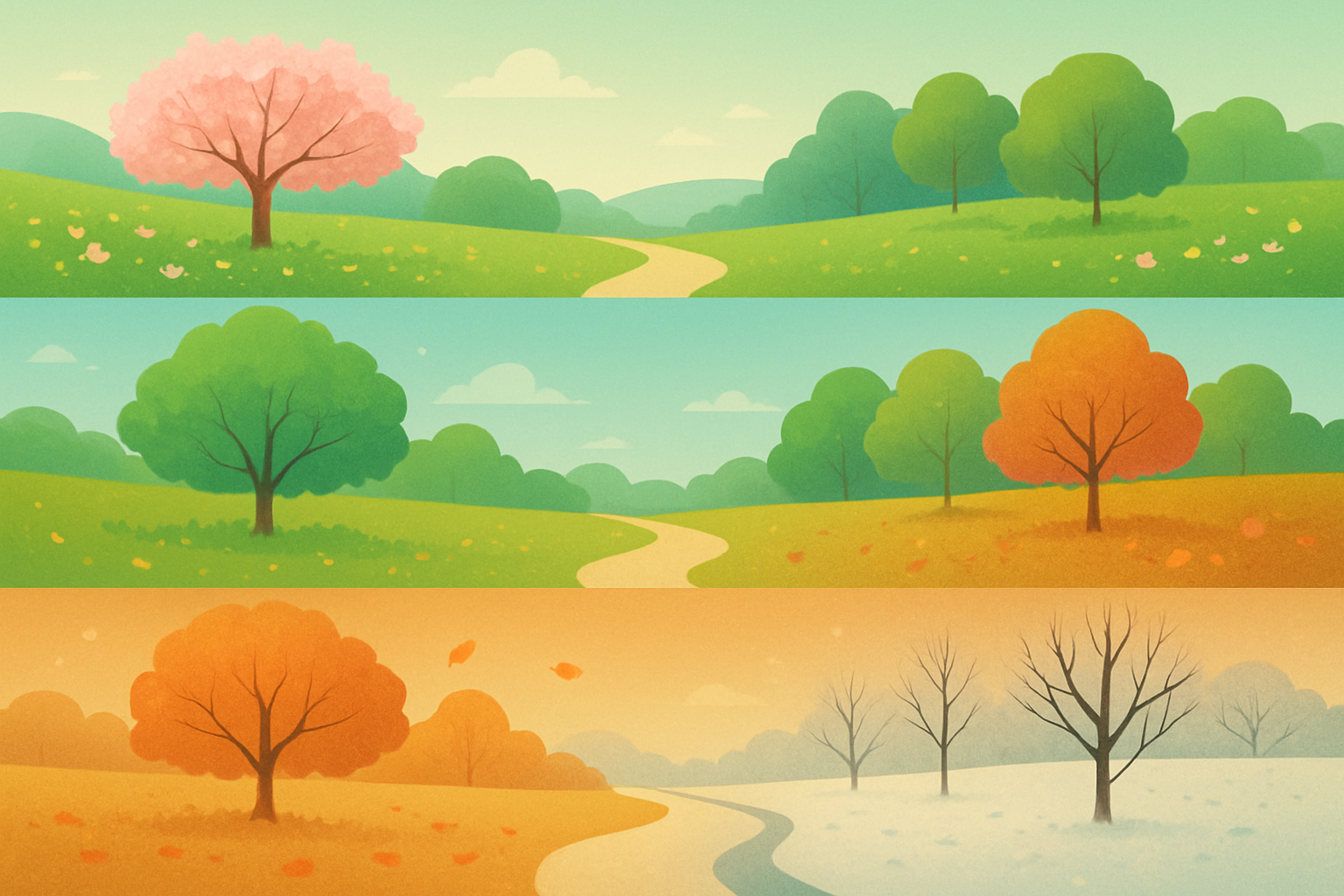
The transformation from winter to spring, summer to autumn, or the swift shift from vibrant fall to the stark chill of winter can affect more than just our wardrobes. These seasonal changes also have a profound impact on our mental health. While some of us may relish the crisp autumn air or the blossoming flowers of spring, others may experience more complex emotional responses. Understanding how these seasonal shifts affect our mental well-being can help us navigate the year with greater awareness and ease.
Table of Contents
1. Introduction
2. Seasonal Affective Disorder (SAD)
3. The Winter Blues
4. Spring Fever: Myth or Reality?
5. Coping Strategies for Seasonal Changes
6. Conclusion
7. FAQs
Seasonal Affective Disorder (SAD)
One of the most well-documented impacts of seasonal change on mental health is Seasonal Affective Disorder (SAD). SAD is a type of depression that occurs at a specific time of year, usually in the winter when daylight is scarce. Symptoms typically include a persistent low mood, loss of interest in usual activities, irritability, and feelings of despair.
Researchers believe that the lack of sunlight during the winter months plays a significant role in the onset of SAD. Reduced sunlight can disrupt your body’s internal clock and lead to a drop in serotonin levels, which may trigger depression. Additionally, the change in season can affect melatonin levels, disrupting sleep patterns and mood.
The Winter Blues
Not everyone who feels down in winter suffers from SAD. Many people experience the “winter blues,” a milder form of seasonal mood change. The winter blues can manifest as a general feeling of lethargy and sadness, which usually dissipates with the coming of spring.
#James Donaldson notes: Welcome to the “next chapter” of my life… being a voice and an advocate for #mentalhealthawarenessandsuicideprevention, especially pertaining to our younger generation of students and student-athletes. Getting men to speak up and reach out for help and assistance is one of my passions. Us men need to not suffer in silence or drown our sorrows in alcohol, hang out at bars and strip joints, or get involved with drug use. Having gone through a recent bout of #depression and #suicidalthoughts myself, I realize now, that I can make a huge difference in the lives of so many by sharing my story, and by sharing various resources I come across as I work in this space.#http://bit.ly/JamesMentalHealthArticle Find out more about the work I do on my 501c3 non-profit foundation website www.yourgiftoflife.org Order your copy of James Donaldson’s latest book, #CelebratingYourGiftofLife: From The Verge of Suicide to a Life of Purpose and Joy
During the winter months, the combination of shorter days and longer nights can lead to decreased outdoor activity levels, contributing to feelings of isolation and decreased motivation. For those affected, finding ways to increase exposure to natural light and staying active can be beneficial.
Spring Fever: Myth or Reality?
As the days grow longer and the temperatures begin to rise, many people experience what is colloquially known as “spring fever.” This term describes a surge in energy and vitality as the world awakens from winter’s slumber.
While the concept of spring fever might sound like a myth, there is some scientific basis for this phenomenon. Increased sunlight can boost serotonin levels, improving mood and increasing energy, while warmer weather encourages people to spend more time outdoors, further enhancing well-being.
Coping Strategies for Seasonal Changes
Understanding the effects of seasonal changes on mental health allows us to develop strategies to better cope with these transitions. Here are some tips to maintain mental well-being throughout the year:
1. Maximize Sunlight Exposure
During the shorter days of fall and winter, make an effort to spend time outside during daylight hours. Even a short walk during lunch can help increase your exposure to natural light.
2. Maintain a Routine
A consistent daily routine can provide stability and a sense of control. This can be particularly helpful during the darker months when motivation levels might dip.
3. Stay Active
Regular physical activity is a powerful mood booster. Whether it’s a brisk walk, yoga, or a dance class, find an activity that you enjoy and can stick with throughout the year.
4. Seek Social Support
Maintaining social connections is crucial for mental health. Reach out to friends and family, join a club, or participate in community events to stay connected.
5. Consider Light Therapy
For those with SAD, light therapy can be an effective treatment. This involves sitting near a special light box that mimics natural sunlight, which can help alleviate symptoms.
Conclusion
Seasonal changes can have a profound impact on our mental health, influencing mood, energy levels, and overall well-being. By understanding these effects and implementing strategies to cope with them, we can navigate the seasons with greater resilience and peace of mind. Whether you’re facing the winter blues or enjoying a burst of spring energy, acknowledging and addressing these changes can lead to a healthier, more balanced life.
FAQs
Q: Can seasonal changes affect everyone the same way?
A: No, the impact of seasonal changes on mental health can vary greatly from person to person. Factors such as genetics, lifestyle, and personal circumstances can all influence how one responds to seasonal shifts.
Q: Is light therapy safe for everyone?
A: Light therapy is generally considered safe, but it’s always best to consult with a healthcare professional before starting any new treatment, especially if you have conditions like bipolar disorder, which may be affected by light exposure.
Q: Can diet affect how I respond to seasonal changes?
A: Yes, diet can play a role in mood regulation. Eating a balanced diet rich in fruits, vegetables, lean proteins, and whole grains can support overall mental health and help manage mood changes associated with different seasons.