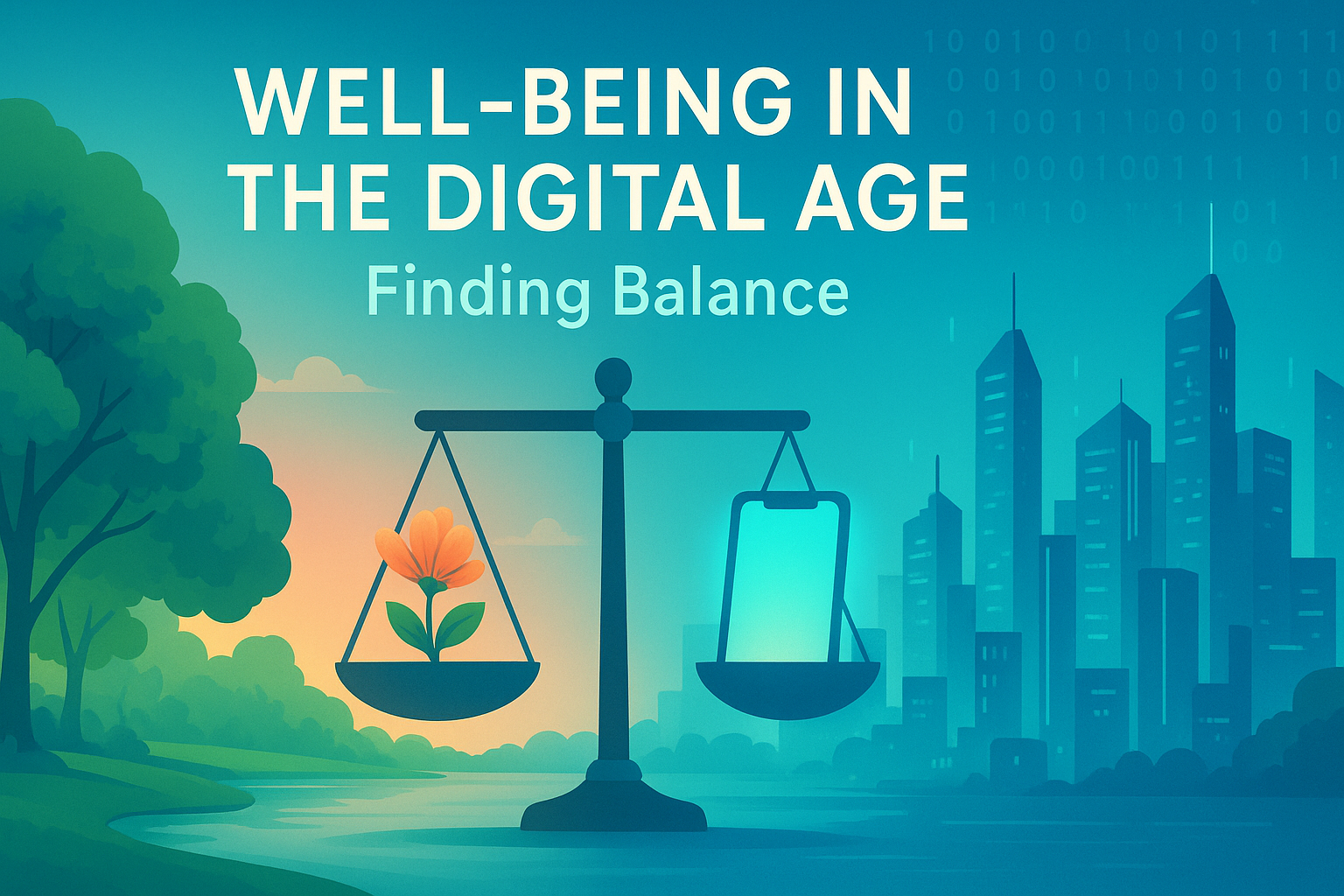
In today’s fast-paced world, the digital age has become an integral part of our lives. While technology offers numerous benefits, it also presents challenges to our well-being. Striking a balance between digital engagement and personal health is essential. In this blog post, we’ll explore strategies for maintaining well-being in the digital era.
Table of Contents
1. Introduction
2. The Impact of Digital Technology on Well-Being
3. Strategies for Maintaining Digital Well-Being
4. The Importance of Digital Detox
5. Cultivating Mindfulness in a Digital World
6. Building Healthy Digital Habits
7. Conclusion
8. FAQs
The Impact of Digital Technology on Well-Being
The digital revolution has transformed how we interact, learn, and work. While it brings connectivity and convenience, it also poses risks to our mental and physical health. Excessive screen time can lead to eye strain, disrupted sleep patterns, and even mental health issues like anxiety and depression.
Moreover, the constant influx of information can overwhelm our senses, making it hard to focus and remain present. It’s crucial to recognize these impacts to effectively address them and find balance.
Strategies for Maintaining Digital Well-Being
Maintaining digital well-being involves being mindful of how we engage with technology. Here are some strategies to help you stay balanced:
The Importance of Digital Detox
Taking regular breaks from digital devices can significantly improve your well-being. A digital detox allows you to reconnect with the physical world and engage in activities that promote relaxation and creativity. Consider setting aside specific times during the week to unplug and recharge.
Cultivating Mindfulness in a Digital World
Mindfulness involves being present and fully engaged in the moment. Practicing mindfulness can help reduce stress and improve mental clarity. Incorporate mindfulness techniques such as meditation or deep breathing exercises into your daily routine. These practices can counteract the overstimulation often caused by digital devices.
#James Donaldson notes: Welcome to the “next chapter” of my life… being a voice and an advocate for #mentalhealthawarenessandsuicideprevention, especially pertaining to our younger generation of students and student-athletes. Getting men to speak up and reach out for help and assistance is one of my passions. Us men need to not suffer in silence or drown our sorrows in alcohol, hang out at bars and strip joints, or get involved with drug use. Having gone through a recent bout of #depression and #suicidalthoughts myself, I realize now, that I can make a huge difference in the lives of so many by sharing my story, and by sharing various resources I come across as I work in this space.#http://bit.ly/JamesMentalHealthArticle Find out more about the work I do on my 501c3 non-profit foundation website www.yourgiftoflife.org Order your copy of James Donaldson’s latest book, #CelebratingYourGiftofLife: From The Verge of Suicide to a Life of Purpose and Joy
Establishing healthy digital habits is essential for maintaining balance. Start by setting boundaries for your digital use. For instance, designate tech-free zones in your home or establish screen-free times before bed to improve sleep quality. Use apps that monitor and limit screen time to help you stay accountable.
Additionally, prioritize quality over quantity when it comes to digital interactions. Focus on meaningful connections rather than mindless scrolling. Engage in online communities that promote positivity and personal growth.
Conclusion
In the digital age, finding balance is more crucial than ever. By understanding the impact of technology on our well-being and implementing strategies to mitigate its negative effects, we can enjoy the benefits of the digital world without compromising our health. Remember, it’s all about balance: embracing technology while staying grounded in the real world.
FAQs
Q: What is digital well-being?
A: Digital well-being refers to maintaining a healthy balance between technology use and personal health. It emphasizes mindful engagement with digital devices to promote mental and physical well-being.
Q: How can I reduce screen time?
A: Start by setting specific goals for screen time reduction, use apps to track and limit usage, and establish tech-free zones or hours in your daily routine.
Q: Why is a digital detox important?
A: A digital detox helps reset your mind, reduce stress, and enhance your overall well-being by disconnecting from the constant stimuli of digital devices.
Q: What are some signs of digital overload?
A: Signs of digital overload include feeling anxious without your device, difficulty focusing, sleep disturbances, and physical symptoms like eye strain or headaches.