A View From Above on Things That Make The World Go 'Round
James Donaldson on Mental Health – How Young Is Too Young For A Smartphone?
Posted on by
READ LATER - DOWNLOAD THIS POST AS PDF >> CLICK HERE <<
Denis Storey
Clinical relevance: Giving kids smartphones before they turn 13 could seriously threaten their mental health and development, prompting calls for urgent regulation.
Early smartphone use is linked to higher rates of suicidal thoughts, emotional detachment, and low self-worth.
The study exposes a clear pattern: the younger the age of first smartphone use, the worse the mental health outcomes.
The authors urge policy action, including age restrictions, digital literacy education, and safer, kid-friendly devices.
In a sweeping new policy paper, a team of researchers have argued that handing kids a smartphone before they turn 13 might just be a huge mistake.
Their argument, appearing in the Journal of Human Development and Capabilities, posits that this increasingly common rite of passage quietly threatens their mental health, with the repercussions rippling well into adulthood.
According to Common Sense Media, an American nonprofit, 42% of U.S. kids are clutching a smartphone by the time they turn 10. More than 70% of 12-year-olds have one. As a result, the authors contend that it’s time for regulatory intervention.
Since the early 2000s, smartphones and AI-driven digital platforms have transformed the way children communicate, play, and form identities. But unlike alcohol or tobacco, well-established threats to brain development, smartphone and social media use has escaped regulatory attention – so far. While most platforms technically bar users under 13, enforcement remains inconsistent.
This lack of oversight has helped foster what the authors describe as an “algorithmically engineered digital environment” that can exploit kids’ psychological vulnerabilities while disrupting critical developmental tasks such as sleep, social bonding, and emotional regulation.
The prevailing content algorithms drive engagement by serving up addictive, often inappropriate material, whether its pornography and violent videos or conspiracy theories and extremist ideologies.
Methodology
Drawing on data from the Global Mind Project, which includes nearly two million people from 163 countries, the study links early smartphone ownership with grave, lingering ramifications for their wellbeing.
The researchers used the Mind Health Quotient (MHQ), a self-reported measure that evaluates nearly four dozen traits of mental health. They analyzed responses from more than 100,000 18- to 24-year-olds to assess how the age of first smartphone ownership correlated with mental wellbeing.
The results showed a clear and consistent pattern. MHQ scores tumbled steadily based on the age at which the kids received their first smartphone. For example, those who got phones at age 13 had an average MHQ of 30. While those who powered on their first iPhone when they were 5 years old, that score fell all the way to one. Nearly half of young women who received smartphones before turning 7 reported frequent suicidal thoughts. For those who waited until 13, that number was much lower.
While the mental health issues appeared to be universal (at least geographically) they were spiked higher in English-speaking countries, where children tend to receive smartphones — and access social media — much sooner.
‘Trending Now’
The team also uncovered signs of a startling trend. The younger children are when they receive their first smartphone, the worse their “mind health,” tends to be by young adulthood. The authors determined mind health by assessing and grading the kids’ emotional, social, and cognitive functioning.
Girls suffer the most. Those who received smartphones before turning 13 proved to be more likely to suffer suicidal thoughts, emotional detachment, aggression, and struggled with a diminished sense of self-worth.
The authors call for a “precautionary policy response,” including restrictions on under-13 smartphone and social media use, mandatory digital literacy education, and stricter corporate accountability.
Tracing the Pathways of Harm
What’s behind these mental health declines? The researchers found that early access to social media — thanks to their smartphones — was the strongest mediator, explaining up to 70% of the fallout. Cyberbullying, poor family relationships, and sleep disruption also played a part.
In English-speaking countries, girls were uniquely vulnerable: the data linked early social media access to increased risk of sexual abuse, suggesting that online exposure at a young age creates new vectors for harm.
Notably, while many might assume screen time itself is the culprit, the researchers didn’t factor in the total amount of time spent on their devices. Instead, they focused on population-level trends based on age of first access. In other words, it’s not just how long kids are online — it’s how early they get there and what digital environments they’re exposed to.
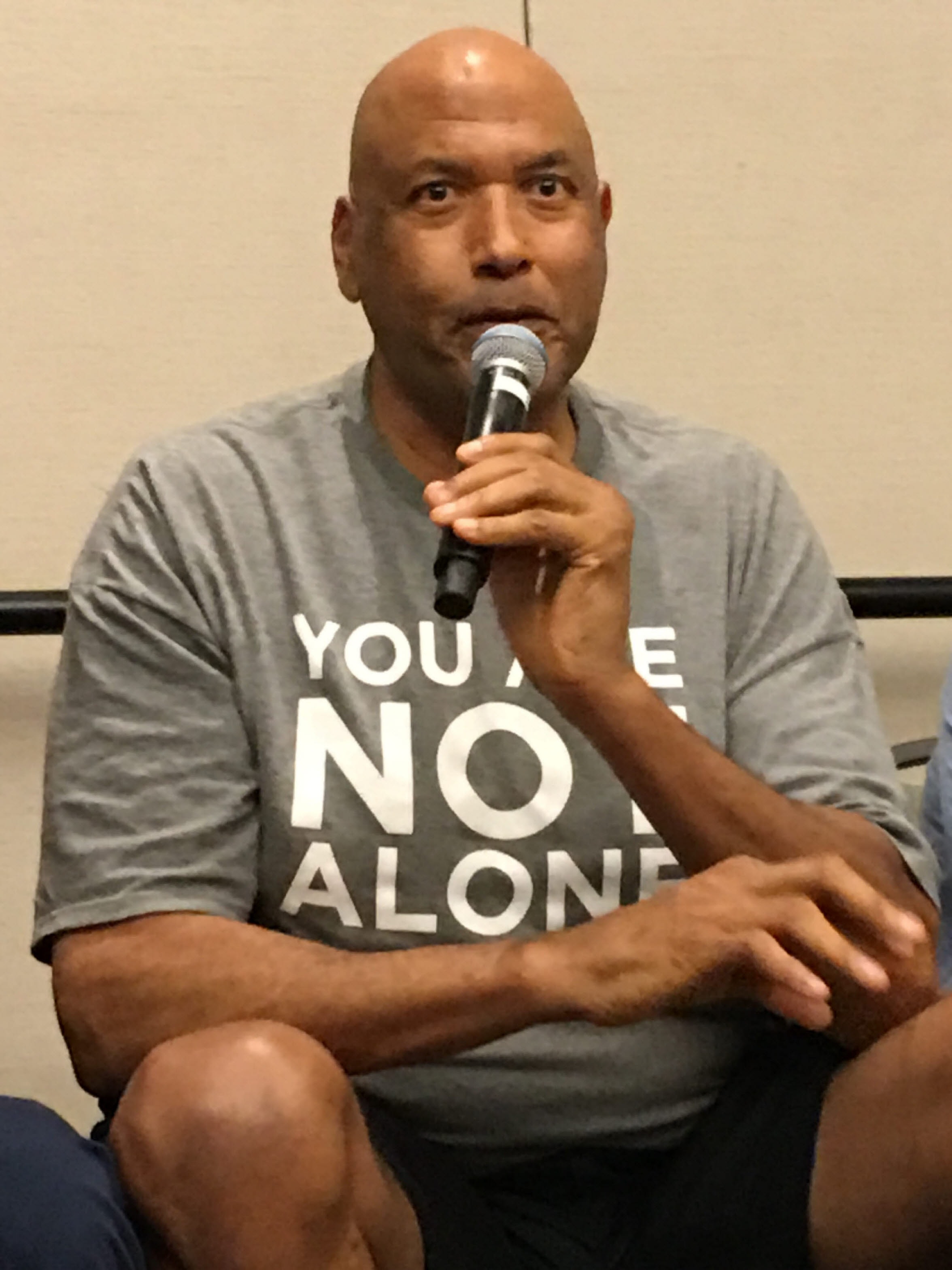
#James Donaldson notes: Welcome to the “next chapter” of my life… being a voice and an advocate for #mentalhealthawarenessandsuicideprevention, especially pertaining to our younger generation of students and student-athletes. Getting men to speak up and reach out for help and assistance is one of my passions. Us men need to not suffer in silence or drown our sorrows in alcohol, hang out at bars and strip joints, or get involved with drug use. Having gone through a recent bout of #depression and #suicidalthoughts myself, I realize now, that I can make a huge difference in the lives of so many by sharing my story, and by sharing various resources I come across as I work in this space.#http://bit.ly/JamesMentalHealthArticle Find out more about the work I do on my 501c3 non-profit foundation website www.yourgiftoflife.org Order your copy of James Donaldson’s latest book, #CelebratingYourGiftofLife: From The Verge of Suicide to a Life of Purpose and Joy
To safeguard kids, the authors concluded with at a broad, multilayered response:
Digital literacy education for school-aged children that includes topics such as cyberbullying and online predators.
Enforceable age restrictions for social media sites, coupled with real penalties.
A ban on social media access for all internet-connected devices in the hands of kids under 13.
Gradual smartphone-access restrictions, encouraging “kid-safe” devices that allow basic functions such as calls and texts, but wall off social media and algorithmic content.
These proposals follow in the footsteps of age-based policies for alcohol, tobacco, and even driver’s licenses.
While critics might call for more causal evidence before considering wide-range restrictions, the authors contend that there’s no time to wait for irrefutable proof. Public health policy often relies on risk reduction, not certainty. And the data here, they argue, is too alarming to overlook.
As technology evolves faster than regulation can keep up, this new paper offers a stark reminder. The digital world, like the real one, needs boundaries, especially where children are concerned. The proposed policies could help reverse rising rates of mental distress among young people and protect the foundational capabilities that allow future generations to thrive.
Please follow and like us:
About the Author
Latest Posts
James Donaldson is a Washington State University graduate (’79). After an outstanding basketball career with WSU, he went on to play professional basketball in the NBA with the Seattle Supersonics, San Diego/L.A. Clippers, Dallas Mavericks, New York Knicks, and Utah Jazz. He also played for several teams in the European Leagues in Spain, Italy, and Greece, and he toured with The Harlem Globetrotters to wrap up his career. James was an NBA All-Star in 1988 while playing center for the Dallas Mavericks. In 2006, James was inducted into the Pac-10 Sports Hall of Fame and also the Washington State University Athletic Hall of Fame. In 2010, James was elected as a board member for the NBA Retired Players Association.
James frequently conducts speaking engagements (motivational, inspirational, educational) for organizations, schools, and youth groups.
In 2010, James was the recipient of the NBA Legends of Basketball ABC Award, awarded for outstanding contributions in Athletics–Business–Community.
He believes in being a role model for success and professionalism to the scores of young people to whom he devotes so much of his time. He currently serves on several boards and committees and is a member of many organizations.
James believes in developing relationships that create a “Win-Win” environment for everyone involved, and in being the best he can be!
For more information about James Donaldson or to request he speak at your event, contact him at:
James Donaldson is the author of “Standing Above The Crowd” and “Celebrating Your Gift of Life” and founder of the Your Gift of Life Foundation which focuses on mental health awareness and suicide prevention, especially pertaining to our school aged children and men.
If you’re interested in having James come and speak to your group of young adults, business entrepreneurs, aspiring political and community leaders, and athletic teams, please contact him at jamesd@yourgiftoflife.org and or leave a personal message for him at 1-800-745-3161. Keep up with him and read about how he is reaching out and making a difference in the lives of so many around the world at www.yourgiftoflife.org