9 min read

Start by listening without judgment, not trying to 'fix' them. Signs that a teen might be depressed include being sad or irritable, losing interest in things they used to enjoy, and changes in eating or sleeping habits.
Signs that a teen might be depressed include being sad or irritable, losing interest in things that they used enjoy, changes in eating or sleeping habits, and low energy. Feeling worthless or hopeless about the future is a big warning sign. And a drop in grades or trouble concentrating at school can also be a symptom. If your teen shows more than a few of these signs and they don't go away after a couple of weeks, they may have depression.
Kids who are grumpy and down can be frustrating, especially if they don't seem to be trying to help themselves. But it's important to let them know you're taking their feelings seriously. Ask questions and try not to judge. By listening, you're letting them know that you hear them and you're trying to understand. Remember, you're not there to 'fix' them.
Depression can make doing even the smallest things more difficult. Make a point of noticing even simple positive things your teen does, like going to school or doing the dishes. And highlight ways they're taking care of themselves. Remember, this is not the time to be critical. They don't want to feel this way. If they could snap their fingers and feel better, they would.
Getting depressed teens into treatment can be tricky. If your child doesn't want to go, be patient and persistent. Give them space, and let them know you're there when they're ready. When your teen is ready, let them choose a therapist they connect with. Interpersonal therapy (IPT), cognitive behavioral therapy (CBT), and dialectical behavioral therapy (DBT) are often good choices.
If your child already is in treatment but it isn't helping, ask them why they think that is. What isn't helpful or what don't they like about therapy? Maybe you can work together to find a therapist who does more of the things they like.
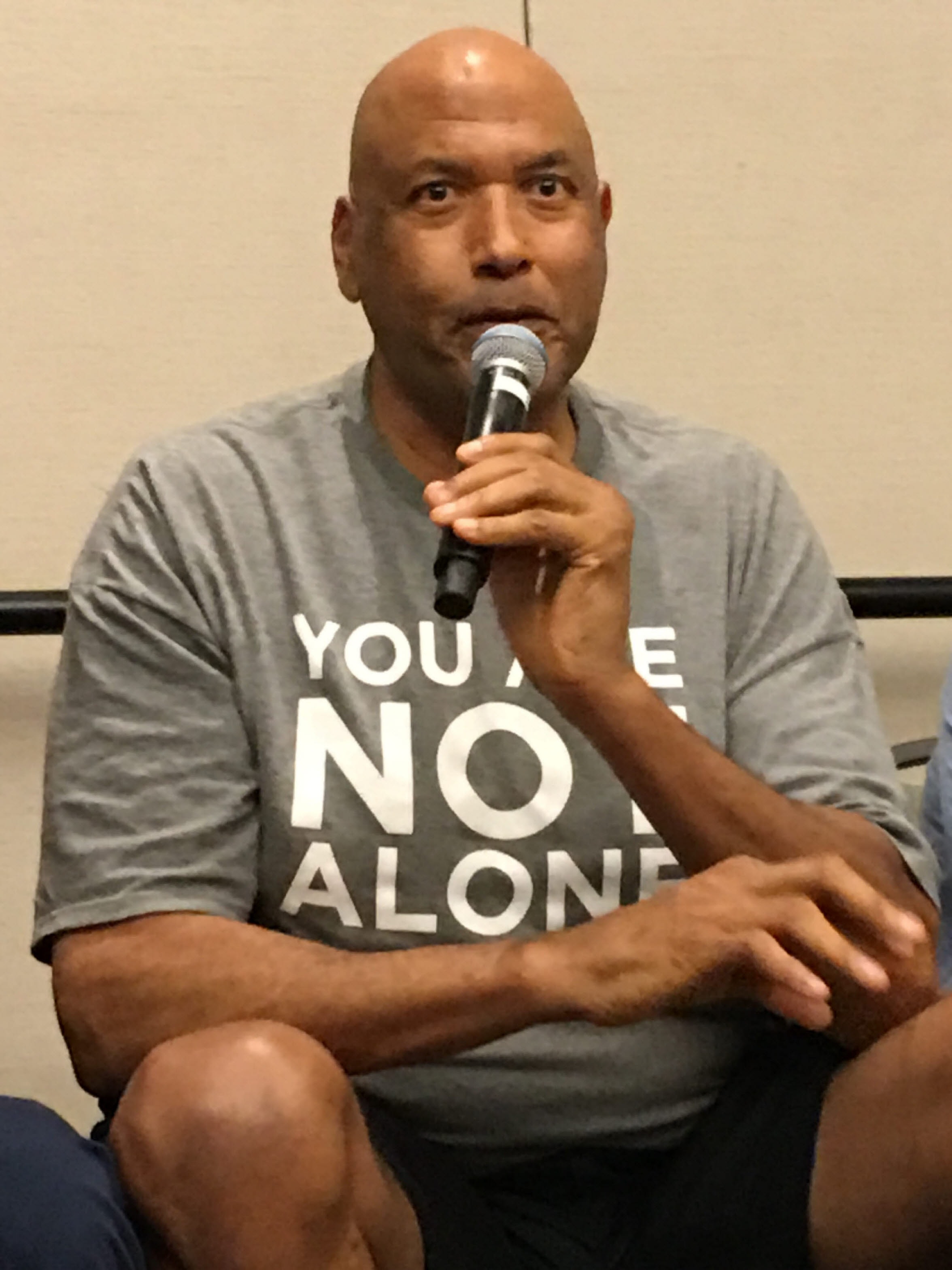
Lastly, it's important to make sure that you're taking care of yourself. It can be emotionally and physically exhausting to be a parent of someone who is struggling with depression. Know that you are not alone, and get support for yourself.
From the Author
Order today and James will personally sign your copy — a meaningful keepsake from an NBA All-Star and mental health advocate.

Celebrating Your Gift of Life
From the verge of suicide to a life of purpose and joy
Order & Get It Signed
Standing Above the Crowd
Inspiring stories of resilience, hope, and mental wellness
Order & Get It Signed
James Donaldson
Author, Speaker & Mental Health Advocate · Standing Above the Crowd
James Donaldson is a former NBA All-Star (1988, Dallas Mavericks) who played 20 years of professional basketball with the Seattle SuperSonics, L.A. Clippers, Dallas Mavericks, New York Knicks, Utah Jazz, and teams across Europe, before touring with the Harlem Globetrotters. A Washington State University graduate inducted into both the Pac-10 and WSU Athletic Halls of Fame, James went on to found The Donaldson Clinic, an outpatient physical therapy practice he operated for nearly three decades. Today he devotes his time to mental health awareness and suicide prevention — speaking to organizations, schools, and youth groups — and is the author of Standing Above the Crowd and Celebrating Your Gift of Life (2021). James recently relocated to the Dallas, TX area and believes deeply in being a role model of success and professionalism for the young people he serves.