9 min read

Screens are everywhere in our children's lives. The question is not whether to engage with technology, but how to do it in a way that supports — rather than undermines — their mental health.
I want to talk today about something that is on the mind of virtually every parent I meet: screens. Phones, tablets, social media, video games, streaming services — they are woven into the fabric of our children's lives in ways that were unimaginable even a generation ago. The question is not whether our kids will engage with technology. They will. The question is how we help them do it in a way that supports their mental health rather than undermining it.
The Child Mind Institute has published thoughtful, age-by-age guidance on this topic, and I want to share some of the key points. For very young children — under 18 months — the American Academy of Pediatrics recommends avoiding entertainment media altogether, with the exception of video chats with loved ones. For children aged two to five, the recommendation is to limit media to one hour of high-quality programming, with parents watching alongside. The reason is simple: young children learn best through real-world interaction, not screens.
One of the most important things parents can do at any age is model healthy technology habits themselves. Do not check your phone at the dinner table. Look at people when they are talking to you. Let your children see you reading a book, pursuing a hobby, spending time in nature. Children are always watching, and they learn far more from what we do than from what we say.
For school-age children, the guidance emphasizes watching things together and using media as a conversation starter. When you see a female character who only seems to care about her appearance, say something. When you see an unhealthy relationship portrayed as romantic, name it. This kind of active, critical media consumption teaches children to think rather than just absorb — and that is a skill that will serve them for life.
For tweens and teens, the challenges become more complex. Social media, privacy, sexting, and online relationships all require frank, ongoing conversations. The guidance from the Child Mind Institute is clear: follow or friend your child on social media and monitor their page, but do not go through text messages without cause for concern. Begin by trusting your children. Surveillance without trust damages the relationship and drives behavior underground.
I also want to name the mental health dimension of this issue directly. Research consistently shows that heavy social media use is associated with increased anxiety, depression, and loneliness in young people — particularly girls. This does not mean screens are inherently evil. It means we need to be intentional. Encourage your children to develop a wide range of interests and relationships that exist offline. Real-world connection, physical activity, creative play, and time in nature are not alternatives to the good life — they are the foundation of it.
If you are concerned about your child's relationship with screens or their mental health, please reach out to a pediatrician or mental health professional. And if you or someone you know is in crisis, call or text 988 to reach the Suicide and Crisis Lifeline, available 24 hours a day. Our children deserve our full presence — and so do we.
From the Author
Order today and James will personally sign your copy — a meaningful keepsake from an NBA All-Star and mental health advocate.

Celebrating Your Gift of Life
From the verge of suicide to a life of purpose and joy
Order & Get It Signed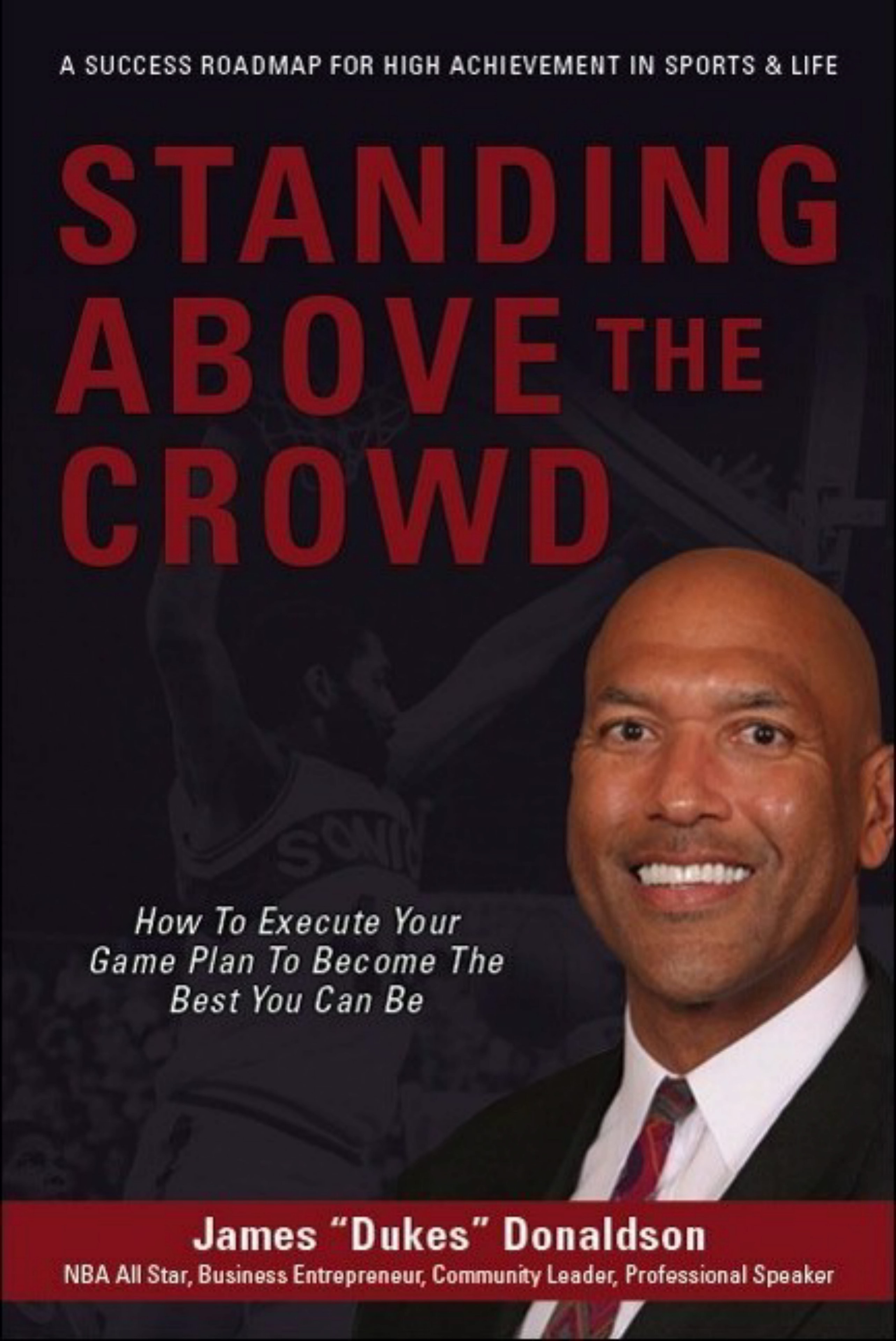
Standing Above the Crowd
Inspiring stories of resilience, hope, and mental wellness
Order & Get It Signed
James Donaldson
Author, Speaker & Mental Health Advocate · Standing Above the Crowd
James Donaldson is a former NBA All-Star (1988, Dallas Mavericks) who played 20 years of professional basketball with the Seattle SuperSonics, L.A. Clippers, Dallas Mavericks, New York Knicks, Utah Jazz, and teams across Europe, before touring with the Harlem Globetrotters. A Washington State University graduate inducted into both the Pac-10 and WSU Athletic Halls of Fame, James went on to found The Donaldson Clinic, an outpatient physical therapy practice he operated for nearly three decades. Today he devotes his time to mental health awareness and suicide prevention — speaking to organizations, schools, and youth groups — and is the author of Standing Above the Crowd and Celebrating Your Gift of Life (2021). James recently relocated to the Dallas, TX area and believes deeply in being a role model of success and professionalism for the young people he serves.